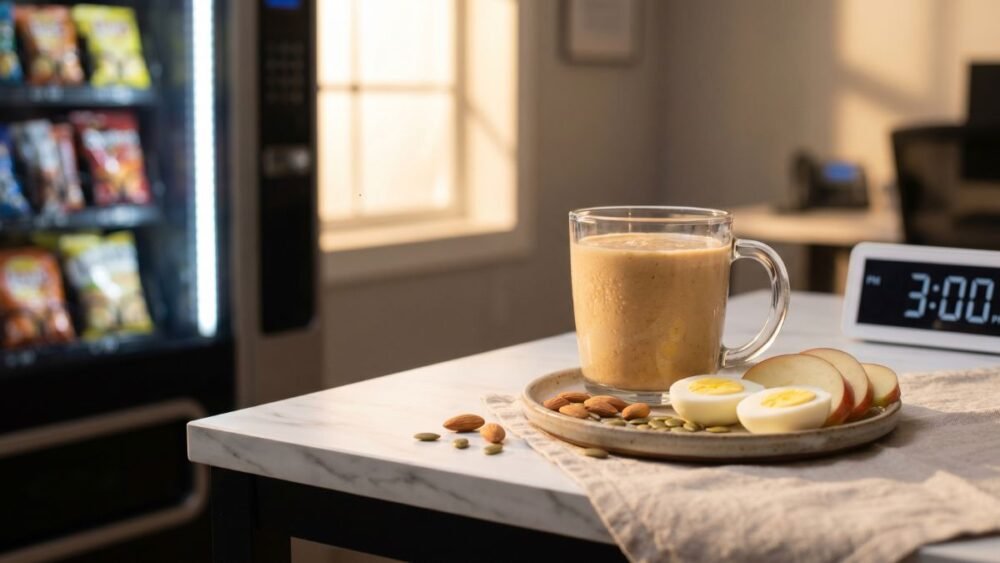
You’re 3 p.m. The energy dip hits hard. Your stomach growls. Before you know it, you’re standing in front of the vending machine with your hand reaching for whatever’s closest—chips, candy, a sugary protein bar that’s basically a dessert bar in disguise.
Here’s the brutal truth nobody tells you: dieting doesn’t fail because you lack willpower. It fails because you’re choosing the wrong snacks.
Most people think weight loss is about eating less. But after years of helping clients build sustainable eating habits, I’ve learned something different. It’s about eating smarter—specifically, eating foods that actually keep you satisfied. When your snacks don’t satisfy hunger, you don’t just eat one. You eat three. Then you give up on the diet entirely.
The good news? There are snacks that genuinely suppress appetite, stabilize blood sugar, and help you lose weight without feeling deprived. These aren’t sad, tasteless “diet foods.” They’re foods that work with your body’s hunger signals, not against them.
In this guide, I’m breaking down the 7 most effective hunger-crushing snacks science backs up—plus the exact reasons they work so well.
Jump To
Why You Feel Hungry on a Diet (The Protein + Fiber Formula)
Before we jump into snack ideas, let’s address why traditional “diet snacks” fail so spectacularly.
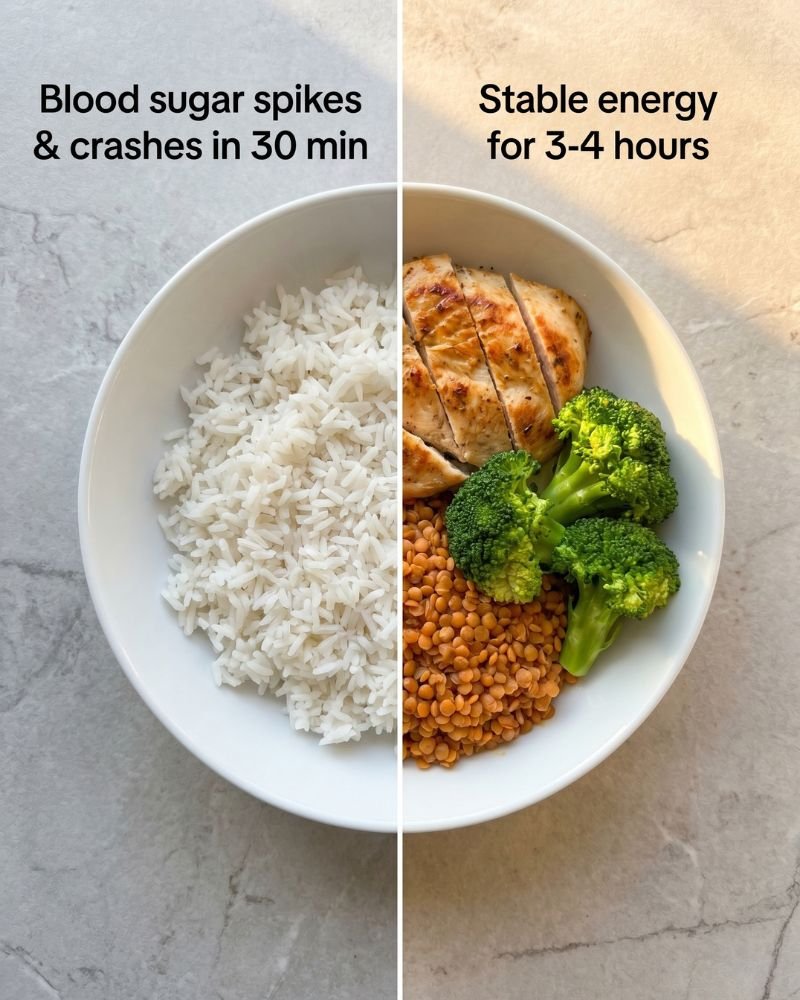
When you eat a low-calorie snack that’s mostly refined carbs—think rice cakes or store-bought granola bars—your blood sugar spikes and crashes within 20–30 minutes. That crash triggers hunger hormones (specifically ghrelin), and suddenly you’re even hungrier than before you ate.
The real secret to crushing hunger isn’t eating less. It’s combining protein and fiber.
Here’s what actually happens:
Protein does three critical things:
- Increases satiety hormones (peptide YY and GLP-1) that tell your brain you’re full
- Takes longer to digest, keeping you satisfied 3–4 hours longer than carbs alone
- Requires more energy to digest (thermic effect), burning extra calories in the process
Fiber works differently:
- Slows gastric emptying, meaning food stays in your stomach longer
- feeds beneficial gut bacteria, which produce short-chain fatty acids that reduce appetite
- Adds volume to meals without adding calories
Together? They’re unstoppable.
Research from the International Journal of Obesity found that people who ate protein-rich snacks with at least 8g of fiber experienced 40% less afternoon hunger than those eating traditional snacks.
The magic ratio: Look for snacks with at least 10–15g protein and 3–5g fiber per serving.
If you want to dive deeper into how portion sizes and food combinations work together, eating high-volume low-calorie foods is a game-changer for weight loss. These foods stretch your stomach’s satiety signals without excess calories.
Best Sweet Hunger-Crushing Snacks (For Sugar Cravings)
Let’s be honest: if you’re not satisfied by snack options, you’ll eventually rebel. That’s why this section isn’t about deprivation. It’s about getting sweetness and satisfaction.
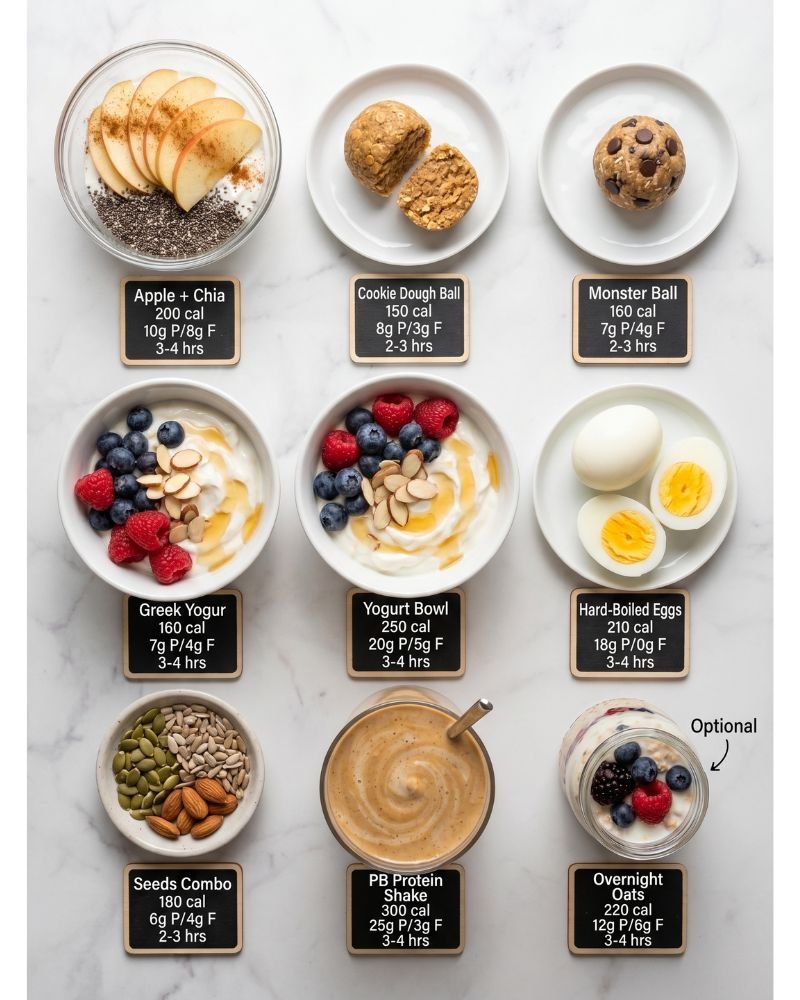
Apple + Chia Pudding
This one genuinely feels like dessert, which is why it works so well when cravings hit.
Why it crushes hunger:
- Apples contain pectin, a soluble fiber that’s specifically researched for appetite suppression
- Chia seeds are 40% fiber by weight and absorb 10x their weight in liquid, expanding in your stomach
- Together, they provide 8–10g protein and 6g fiber per serving in under 150 calories
How to make it: Mix 2 tablespoons chia seeds with ½ cup Greek yogurt, ½ cup unsweetened almond milk, and ½ teaspoon vanilla. Let it sit 5 minutes. Top with thin apple slices and a sprinkle of cinnamon.
The genius part? The texture mimics a pudding cup, satisfying that craving for something creamy and substantial.
Try this easy apple chia pudding recipe for variations that keep things interesting throughout your week.
Protein Balls (Cookie Dough & Monster)
Protein balls are my secret weapon for dessert cravings without the guilt.
Why they work:
- No-bake means you can make a batch and grab them all week
- They satisfy sweet cravings with natural sweeteners instead of sugar
- One ball (about 1 ounce) has 5–7g protein, holding steady for 2–3 hours
The difference between store-bought and homemade? Homemade versions use real ingredients—almond butter, oats, dark chocolate—instead of processed fillers.
Make cookie dough protein balls or monster cookie protein balls depending on your flavor mood. Both freeze beautifully for grab-and-go snacking.
Pro tip: The cold texture makes them feel even more indulgent and satisfying.
High-Protein Yogurt Bowl
Greek yogurt is legitimately one of the best weight loss foods out there.
The numbers:
- Plain Greek yogurt: 20g protein, 10g carbs, 5g fat per 7-ounce serving
- Digestion requires significant energy (thermic effect)
- The high protein triggers satiety hormones faster than almost any other food
Don’t make it a sugar trap though. Skip the flavored yogurts (they’re often higher in sugar than ice cream). Instead, use plain Greek yogurt as a base and build from there.
A balanced bowl looks like:
- 1 cup plain Greek yogurt (20g protein)
- ½ cup berries (3g fiber)
- 1 tablespoon raw almonds (2g protein, 1g fiber)
- 1 tablespoon raw honey or a few drops of stevia
Total: 25g protein, 5g fiber, around 180 calories. That bowl will keep you full through dinner.
Create your own high-protein yogurt bowl with flavor combinations that match your preferences.
Best Savory & Salty Snacks (For Crunch Cravings)
Okay, but what if you’re not in a sweet mood? What if you want crunch? What if you want salt?
This is where most diets fail. People restrict salty cravings, and three days later they’re face-deep in a bag of chips. Let’s fix that with smarter options.
Hard-Boiled Eggs vs. Cottage Cheese
The easiest, most portable hunger-crusher.
Hard-boiled eggs:
- 6g protein per egg
- Complete amino acid profile (includes all 9 essential amino acids)
- About 70 calories
- Prep: 10 minutes on Sunday, lasts a week in the fridge
Cottage cheese:
- 14g protein per ½ cup
- Casein protein (slower-digesting than egg white)
- Even more satiating for longer periods
- 110 calories for ½ cup full-fat variety
Which is better: hard-boiled eggs or cottage cheese? The answer: both work, but cottage cheese edges out eggs for pure hunger suppression. However, eggs are more portable and don’t require a spoon.
My move? Hard-boiled eggs for workday snacking. Cottage cheese for evening snacking when I’m sitting down anyway.
Venison Snack Sticks (The High-Protein Meat Snack)
Jerky-style snacks get overlooked in weight loss conversations, but they’re criminally underrated.
Venison snack sticks specifically hit different because:
- 10–12g protein per 1-ounce stick (30 calories per gram is the protein-to-calorie sweet spot)
- Natural satiety without the processing of typical beef jerky
- Zero carbs, so no blood sugar spike, no hunger rebound
- The chewing time itself increases satiety signals
Traditional beef jerky works too, but venison tends to be leaner and more satisfying per ounce.
Get the best venison snack stick recipe if you want to make your own. Otherwise, brands like Perky Jerky and Steve’s Original (grass-fed beef) are solid store options.
The Ultimate Seeds Combo
This is the snack you bring to work, the one that looks “light” but absolutely destroys afternoon hunger.
The combo:
- ¼ cup raw pumpkin seeds (9g protein, 2g fiber, 180 calories)
- ¼ cup raw sunflower seeds (7g protein, 2g fiber, 190 calories)
- ¼ cup raw almonds (9g protein, 3.5g fiber, 200 calories)
Total: 25g protein, 7.5g fiber, ~570 calories for the whole mix.
Why it’s brilliant:
- Healthy fats slow digestion even further (fat slows gastric emptying by up to 3 hours)
- The chewing involved signals fullness better than liquid or soft foods
- You get a variety of micronutrients (selenium, magnesium, zinc)
- One small handful (about 1.5 ounces) is genuinely satisfying for 3+ hours
Understand the difference: pumpkin seeds vs. almonds or pumpkin seeds vs. sunflower seeds to learn how healthy fats specifically crush hunger.
Hunger-Crushing Drinks & Shakes (When Solid Food Isn’t an Option)
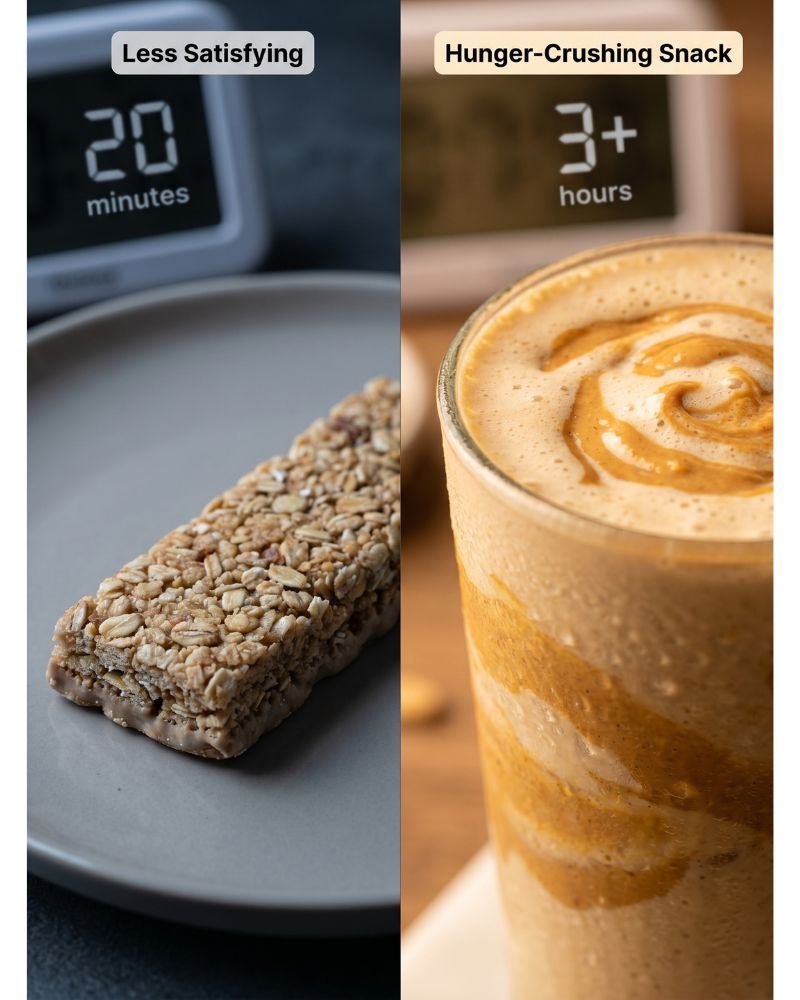
Sometimes you need something drinkable. Maybe you’re running late. Maybe you just got off a workout. Maybe your stomach’s feeling sensitive.
Peanut Butter Protein Shake
This is the snack that tastes like indulgence but acts like science.
Here’s the formula:
- 1 scoop vanilla or chocolate protein powder (20g protein)
- 2 tablespoons natural peanut butter (8g protein, 2g fiber, healthy fats)
- ½ banana (1g protein, 3g fiber)
- 1 cup unsweetened almond milk
- ½ cup cold water or ice
Nutrition: 29g protein, 6g fiber, ~280 calories
Blend for 60 seconds. Drink over 10–15 minutes (sipping rather than chugging increases satiety signals).
The peanut butter is critical here—it adds fat, which slows digestion dramatically. This isn’t a quick smoothie. It’s a 3–4 hour appetite suppressant in a glass.
Get the detailed peanut butter protein shake recipe with variations for different protein powder types.
Overnight Protein Oats
This one’s genius because it works two ways: as a drinkable shake or as an actual snack you eat with a spoon.
Overnight oats recipe:
- ½ cup rolled oats (5g protein, 8g fiber)
- ½ cup Greek yogurt (10g protein)
- ½ cup unsweetened almond milk
- 1 tablespoon almond butter (3g protein)
- ¼ teaspoon vanilla
- Pinch of cinnamon
Mix, refrigerate 4+ hours (or overnight—hence the name). In the morning, either eat with a spoon or thin with additional almond milk and drink it.
Why overnight oats are underrated for weight loss:
- Soaking the oats increases their resistant starch content, a type of carb that resists digestion and feeds beneficial gut bacteria
- The combination of oats + yogurt + nut butter gives you slow-digesting carbs, fast-digesting protein, and fat all at once
- One serving keeps blood sugar stable for 3–4 hours
Discover why overnight protein oats are perfect for weight loss and get variations for different flavors and preferences.
The Tools That Make Snacking Smarter
Here’s what I wish I’d known earlier: tracking snacks changes everything.
Not in a restrictive way. In a clarity way. When you actually see what you’re eating—the macros, the portion sizes, how it compares to your goals—you make different choices naturally.
BMI Calculator
Before you start snacking strategically, it helps to know where you stand. Use a BMI Calculator to establish your baseline. BMI isn’t perfect (it doesn’t account for muscle), but it gives you a starting point and helps you set realistic weight loss targets.
For most people, losing 5–10% of body weight produces noticeable health improvements.
Recipe Nutrition Calculator
When you’re building your own snack combinations (like that seeds combo or the yogurt bowl), use a Recipe Nutrition Calculator to log the exact macros. This takes the guesswork out of whether your snack truly has enough protein and fiber.
Example: You think your yogurt bowl has 25g protein. The calculator shows 18g. Now you know to add more Greek yogurt or almonds next time.
It’s not obsessive. It’s informative. And over time, you’ll develop intuition without even needing to calculate.
Recipe Converter
If you’re adapting recipes—say, making half a batch of protein balls or doubling the seeds combo—use a Recipe Converter to scale ingredients. This ensures your snack maintains the right macro balance across different portion sizes.
Small math mistakes = large hunger problems later. Converters eliminate that risk.
Snack Comparison Table
| Snack | Protein | Fiber | Calories | Hunger Duration |
|---|---|---|---|---|
| Apple + Chia Pudding | 8–10g | 6g | 150 | 3–4 hours |
| Protein Ball | 5–7g | 2g | 90 | 2–3 hours |
| High-Protein Yogurt Bowl | 25g | 5g | 180 | 4+ hours |
| Hard-Boiled Egg | 6g | 0g | 70 | 2–3 hours |
| Cottage Cheese (½ cup) | 14g | 0g | 110 | 3–4 hours |
| Venison Snack Stick | 10–12g | 0g | 100 | 2–3 hours |
| Seeds Combo (1.5 oz) | 9g | 2.5g | 190 | 3–4 hours |
| Peanut Butter Shake | 29g | 6g | 280 | 4+ hours |
| Overnight Oats | 18g | 8g | 320 | 4+ hours |
Key insight: Higher protein + higher fiber = longer hunger suppression. Notice how the snacks that keep you full longest have at least 8g of both combined.
The Mistake Most People Make (And How to Avoid It)
Here’s what I see constantly: people choose a snack based purely on calories.
“This bar is only 100 calories, so it’s good.”
Twenty minutes later? Starving. An hour later? They’ve eaten 400 calories because the first snack didn’t satisfy.
Real math: A 280-calorie shake that keeps you full 4 hours beats a 100-calorie rice cake that leaves you hungry in 20 minutes.
When choosing snacks, optimize for calories per hour of satiety, not just absolute calorie count.
The hunger-crushing snacks in this guide accomplish that. They’re calorie-efficient and satisfaction-efficient.
Related: 10 Quail Eggs Benefits: Nutrition, Protein & Facts
Building Your Snack Strategy
This isn’t about eating the same snack every day. This is about having 7 options you rotate through—one for each day, or picking based on your mood.
Your formula:
- Monday: Apple + Chia Pudding (sweet craving, need something light)
- Tuesday: Hard-boiled eggs (need portable, savory)
- Wednesday: Peanut Butter Shake (ran out of time, need quick)
- Thursday: Seeds Combo (need crunch, want sustained energy)
- Friday: Protein Ball (sweet craving again, want something indulgent-feeling)
- Saturday: Cottage Cheese (evening snack before dinner)
- Sunday: Overnight Oats (meal-prep day, want something filling)
Rotate, listen to your cravings, and adjust based on what actually keeps you satisfied. Everyone’s different.
What’s Next? Setting Your Foundation
Here’s the reality: snacks matter, but they’re part of a bigger picture.
The most successful people I’ve worked with didn’t just optimize snacks. They optimized their entire eating pattern. They fixed breakfast so they weren’t starting the day already hungry. They built dinners with enough protein so evening cravings didn’t hit as hard.
Start your day right with these dietitian-approved weight loss breakfast foods. A solid breakfast that includes protein and fiber means you’re less likely to need emergency snacks by 3 p.m.
But while you’re building that bigger strategy? These 7 snacks are your safety net. They’re the bridge between where you are now and where you want to be.
The Bottom Line
Weight loss doesn’t require suffering. It requires strategy.
These snacks work because they’re built on science (protein + fiber = satiety) combined with real-world practicality (they taste good, they’re easy to prepare, they don’t require weird ingredients).
Pick two or three from this list. Start there. See what keeps you satisfied. Build from what works.
The snack you’ll actually eat and enjoy is infinitely better than the “perfect” snack that tastes like cardboard.
FAQs
Can I eat snacks and still lose weight?
Absolutely. The key is choosing snacks with high protein and fiber that genuinely satisfy hunger. A 280-calorie shake that keeps you full 4 hours is weight loss-friendly. A 100-calorie rice cake that leaves you hungry 20 minutes later isn’t.
How many snacks should I eat per day?
This depends on your meal structure and hunger signals. If you eat 3 balanced meals, you might need 0–1 snacks. If you eat smaller meals, you might need 1–2. Listen to your body’s hunger cues rather than following a rigid rule.
Are nuts okay for weight loss?
Yes, in portions. A small handful (1–1.5 ounces) of almonds or the seeds combo is perfectly weight loss-friendly because the protein and fiber keep you satisfied. Don’t eat directly from the container—pre-portion into bags.
Why does protein suppress hunger more than carbs?
Protein triggers satiety hormones (peptide YY, GLP-1) more powerfully than carbs. It also takes longer to digest and requires more energy for digestion, keeping your metabolism slightly elevated and your stomach fuller longer.
Visit our official website for more healthy recipes, nutrition tips, wellness guides, and powerful health tools:
🌐 Visit EatLikeFit.com

Muhammad Ahtsham is the founder of EatLikeFit.com and a nutrition researcher dedicated to healthy weight management. He provides practical, science-backed advice on high-protein diets and affordable meal planning to help readers achieve their fitness goals simply and effectively.