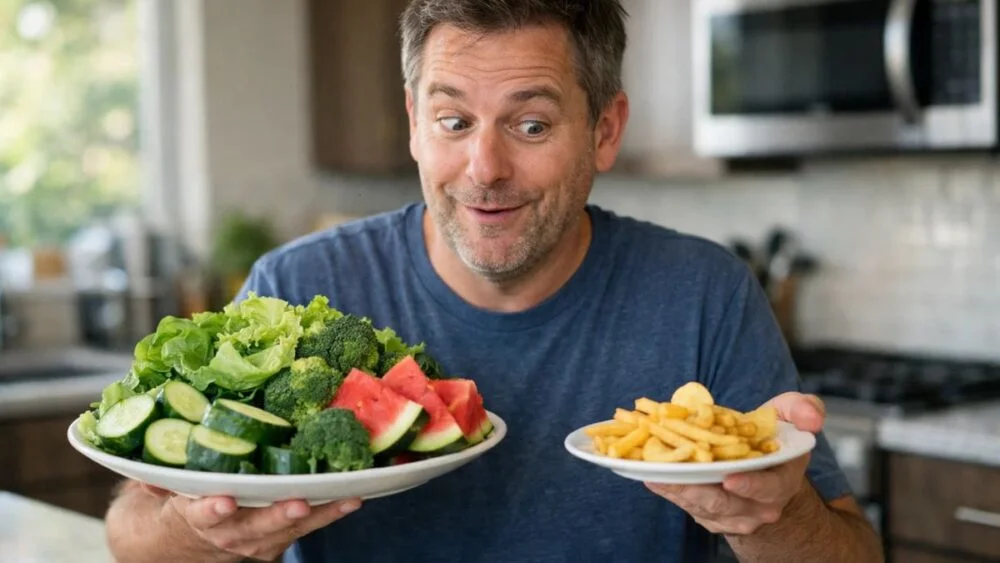
What if you could eat bigger portions, feel completely satisfied, and still lose weight?
It sounds like a trick—but it’s not. The secret lies in high volume low calorie foods. Instead of cutting portions and battling hunger all day, this approach flips the script: you fill your plate with foods that naturally contain fewer calories but take up more space in your stomach.
I’ve personally seen how powerful this shift can be. When you stop fearing food and start choosing smarter volume-based options, dieting feels less like punishment and more like freedom.
In this guide, you’ll discover exactly what to eat, why it works, and how to build meals that keep you full without overeating.
Jump To
What Are High Volume Low Calorie Foods?
High volume low calorie foods are foods that provide large portion sizes for relatively few calories. The concept is based on calorie density—the number of calories in a given weight of food.
Simple Explanation:
- Low calorie density = more food, fewer calories
- High calorie density = less food, more calories
Why They Work
These foods typically contain:
- High water content (like cucumbers and watermelon)
- High fiber (like vegetables and oats)
- Lean protein (like chicken breast or Greek yogurt)
All three slow digestion and increase satiety, meaning you stay full longer.
Real-Life Example:
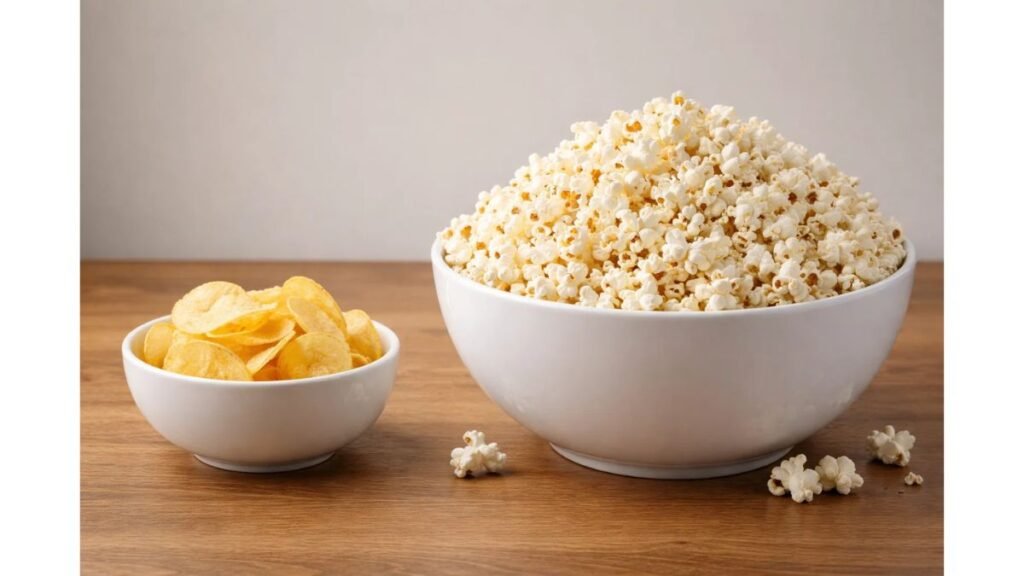
- 1 cup of chips = ~150 calories (small portion)
- 3 cups of air-popped popcorn = ~90 calories (huge portion)
Same snack vibe—completely different impact.
High volume foods help you eat more physically while consuming fewer calories, making weight loss easier and more sustainable.
Benefits of High Volume Eating
1. You Feel Full Without Overeating
Your stomach responds to volume, not just calories. Bigger portions = more satisfaction.
2. Easier Weight Loss
You naturally reduce calorie intake without strict tracking or extreme dieting.
3. Fewer Cravings
Stable blood sugar and fullness reduce the urge to snack constantly.
4. Better Nutrition
Most volume foods are rich in vitamins, minerals, and antioxidants.
5. Sustainable Lifestyle
This isn’t a short-term diet—it’s a way of eating you can actually stick to.
High volume eating reduces hunger, supports fat loss, and makes healthy eating feel effortless.
Top High Volume Low Calorie Foods List 🔥
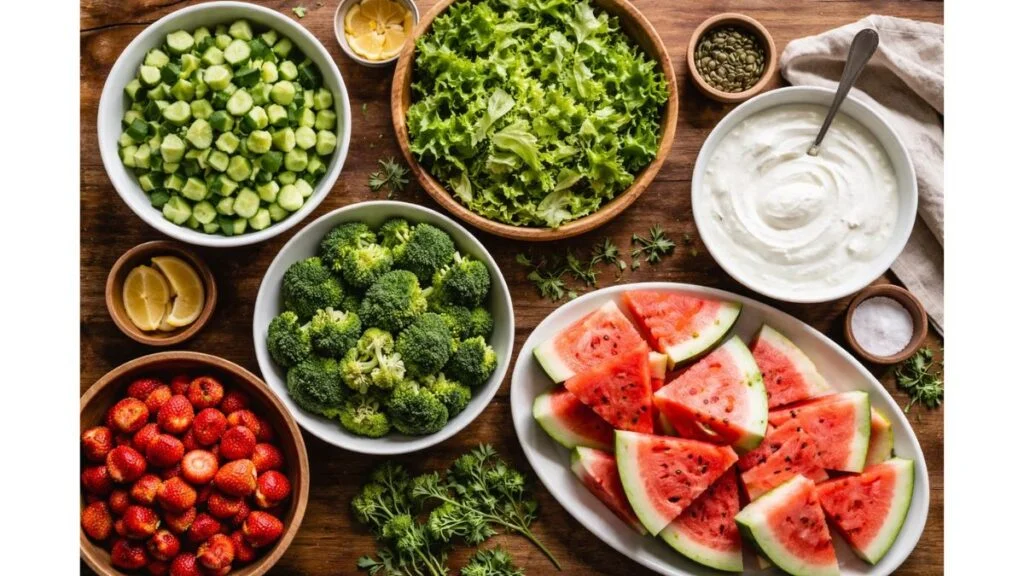
Here are the best foods you can eat in larger quantities without worrying about calories:
🥦 Vegetables (Lowest Calories, Highest Volume)
- Cucumber
- Zucchini
- Lettuce
- Broccoli
- Spinach
- Cauliflower
- Bell peppers
These are mostly water and fiber—perfect for filling your plate.
💡 Try this: Pair veggies with meals like this → 5 Easy Salad Meal Prep Ideas for easy prep.
🍉 Fruits (Naturally Sweet & Filling)
- Watermelon
- Strawberries
- Oranges
- Grapefruit
- Apples
👉 Great for satisfying sugar cravings without excess calories.
💡 You can also blend them into drinks like this → Green Juice Recipe for Weight Loss
🍗 Protein (Keeps You Full the Longest)
- Egg whites
- Chicken breast
- Turkey
- Greek yogurt
- Cottage cheese
👉 Protein increases satiety and helps preserve muscle during weight loss.
💡 Add protein snacks like this → High Protein Granola Recipe
🍿 Snacks (Smart & Satisfying)
- Air-popped popcorn
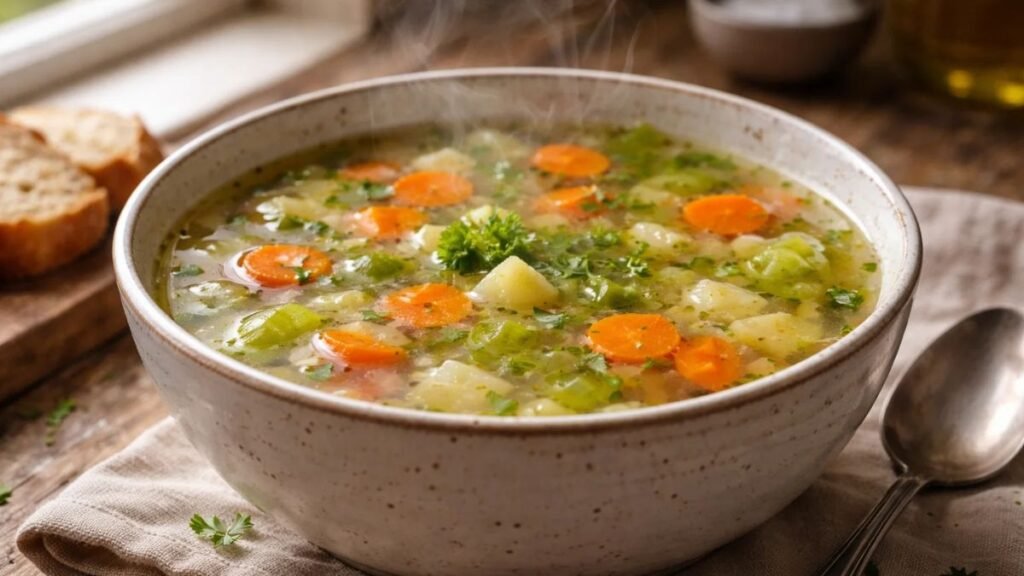
- Broth-based soups
- Rice cakes
- Sugar-free gelatin
👉 These help you snack without blowing your calorie budget.
Calorie Density Comparison Table
| Food | Portion Size | Calories | Volume Level |
|---|---|---|---|
| Chips | 1 cup | 150 | Low |
| Popcorn (air-popped) | 3 cups | 90 | High |
| Broccoli | 2 cups | 60 | Very High |
| Chicken breast | 100g | 165 | Medium |
| Watermelon | 2 cups | 90 | Very High |
Sample High Volume Low Calorie Meal Plan (1 Day)
Breakfast
- Greek yogurt + strawberries
- Black coffee or green tea
Lunch
- Large chicken salad (lettuce, cucumber, tomatoes)
- Light dressing
Snack
- Air-popped popcorn
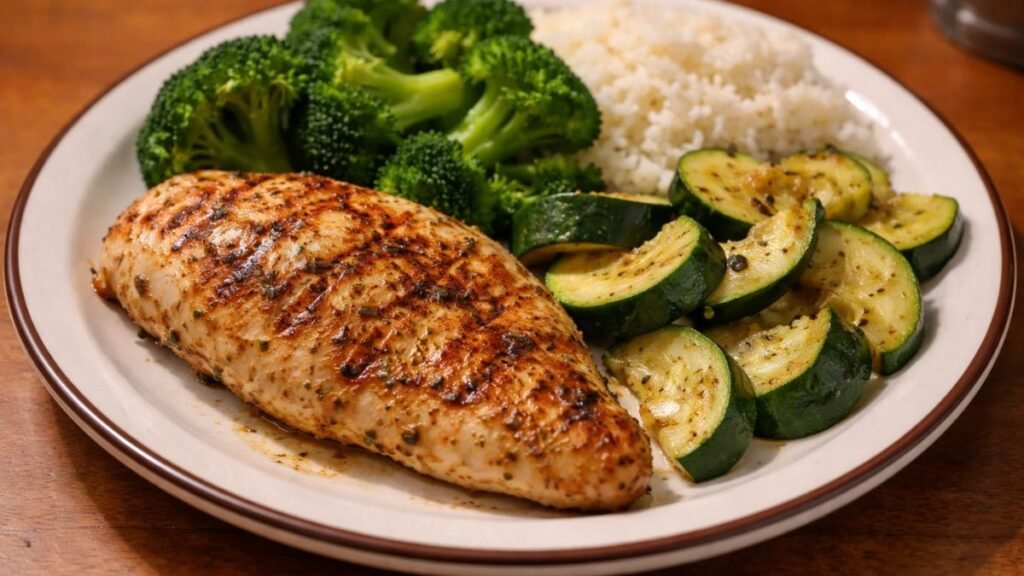
Dinner
- Grilled chicken breast
- Steamed broccoli & zucchini
- Small portion of rice
Dessert
- Watermelon slices
👉 This kind of plan keeps you full all day while staying calorie-controlled.
Foods to Avoid (High Calorie, Low Volume)
Some foods do the opposite—they pack a lot of calories into small portions:
- Fried foods
- Sugary snacks
- Processed junk food
- Fast food meals
- Cream-heavy dishes
These don’t fill you up and often lead to overeating.
Related: Hunger-Crushing Snacks for Weight Loss
Tips to Follow a High Volume Diet
1. Start Meals with Vegetables
They fill your stomach before higher-calorie foods.
2. Drink Water Before Eating
Hydration improves fullness signals.
3. Focus on Fiber
Fiber slows digestion and keeps hunger away.
4. Avoid Liquid Calories
Sodas and sugary drinks don’t satisfy hunger.
5. Build Balanced Plates
Combine:
- Volume foods (veggies)
- Protein (chicken, yogurt)
- Smart carbs (rice, oats)
Simple habits can make high volume eating effortless and highly effective.
Tools That Make This Easier (Highly Recommended)
If you want to take this strategy seriously, these tools can help:
🧮 BMI Calculator
Use it to understand your starting point and track progress.
🍽️ Recipe Nutrition Calculator
Perfect for calculating calories in your meals—especially when building high volume recipes.
🔄 Recipe Converter
Adjust portion sizes while keeping calories in check.
👉 These tools remove guesswork and help you stay consistent.
Common Mistakes to Avoid
- Eating only low-calorie foods (you still need nutrients)
- Ignoring protein (leads to hunger later)
- Overeating “healthy” high-calorie foods (like nuts)
- Skipping meals (backfires with cravings)
Final Thoughts
High volume low calorie foods are one of the simplest, most effective ways to lose weight without feeling deprived.
You don’t need extreme diets.
You don’t need to starve yourself.
You just need smarter food choices.
Once you start building meals that are big in volume but low in calories, everything changes—your hunger, your energy, and your results.
FAQs
What are high volume foods?
High volume foods are foods that take up more space in your stomach but contain fewer calories, such as vegetables, fruits, and lean proteins.
Can you lose weight eating high volume foods?
Yes, because they help you feel full while naturally reducing calorie intake, making weight loss easier and more sustainable.
Are low calorie foods healthy?
Many low calorie foods—like vegetables and fruits—are highly nutritious, but balance with protein and healthy fats is important.
What foods keep you full the longest?
Foods high in protein and fiber, such as chicken, eggs, vegetables, and oats, provide the longest-lasting fullness.
If you enjoyed this article, don’t forget to follow and subscribe for more health tools, recipes, and news!

Muhammad Ahtsham is the founder of EatLikeFit.com and a nutrition researcher dedicated to healthy weight management. He provides practical, science-backed advice on high-protein diets and affordable meal planning to help readers achieve their fitness goals simply and effectively.