A recipe cost calculator tells you exactly how much it costs to make a recipe by breaking down ingredient prices, quantities used, and portion sizes into real numbers you can trust.
That’s it.
But anyone who’s spent time in a kitchen — professional or home — knows that this tool is rarely just about math. It’s about confidence. Control. And avoiding that sinking feeling when you realize a “best-seller” dish is quietly draining your profit.
I’ve watched talented cooks struggle not because their food wasn’t good, but because they never truly knew what it cost them to make it.
This guide explains what a recipe cost calculator online really does, how it works behind the scenes, and why it’s become non-negotiable for restaurants, cloud kitchens, bakers, food bloggers, and even serious home cooks.
No jargon. No spreadsheets from hell. Just the truth about food costing.
Free Recipe Cost Calculator
Instantly calculate accurate recipe costs, ingredient pricing, and total food expenses.
Trusted by home cooks, bakers, and food businesses to price recipes accurately.
Jump To
What Is a Recipe Cost Calculator, Really?
On paper, a food recipe cost calculator is a digital tool that calculates the total cost of a dish based on:
- Ingredient prices
- Quantities actually used
- Units of measurement (grams, ml, pieces, bulk packs)
- Yield and portion size
What it gives you is:
- Total recipe cost
- Cost per serving
- Often, a clear ingredient-by-ingredient breakdown
But functionally?
It answers one brutally important question:
“If I make this again tomorrow, how much money am I actually spending?”
That answer becomes the foundation for menu pricing, food budgeting, profit margins, and long-term sustainability.
Guessing is expensive. Knowing is powerful.
Why Recipe Costing Suddenly Matters More Than It Used To
There was a time when rough estimates worked.
That time is gone.
Ingredient prices shift weekly. Cheese, oil, flour — they creep up quietly. Portions get a little heavier. Waste hides in prep bins. And suddenly, margins disappear without any obvious mistake.
Most food businesses don’t fail because the food is bad.
They fail because pricing is wrong.
Without accurate costing, you risk:
- Underpricing dishes and losing money every sale
- Overpricing and losing customers
- Inconsistent menu prices
- No real profit forecasting
- Invisible food waste
A recipe pricing calculator replaces instinct with clarity. And clarity changes everything.
How a Recipe Cost Calculator Actually Works (Without the Tech Headache)
Behind every good cooking cost calculator is the same logic chefs have used for decades — just automated and simplified.
Let’s walk through it.
Step 1: Ingredient Prices at Purchase Level

You enter what ingredients cost when you buy them.
Examples:
- Flour: $2.50 per 1 kg
- Butter: $4.00 per 500 g
- Eggs: $3.00 per dozen
This matters because bulk pricing is where most errors begin.
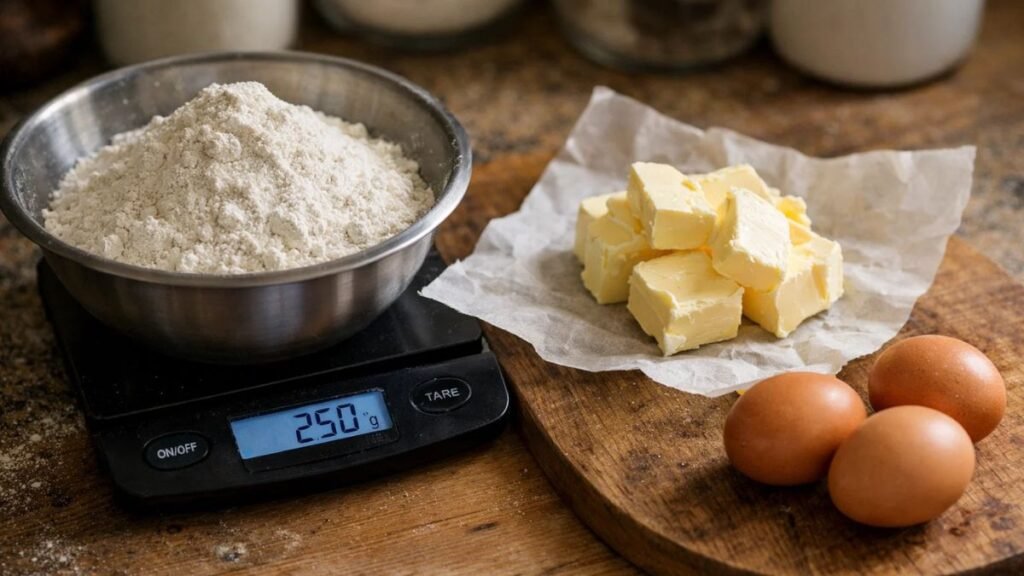
Step 2: Ingredient Quantities Used in the Recipe
Now comes the part most people get wrong.
You don’t cost the whole bag.
You cost what you actually use.
- 300 g flour
- 100 g butter
- 2 eggs
A proper ingredient cost calculator lives here.
Step 3: Unit Cost Conversion Happens Automatically
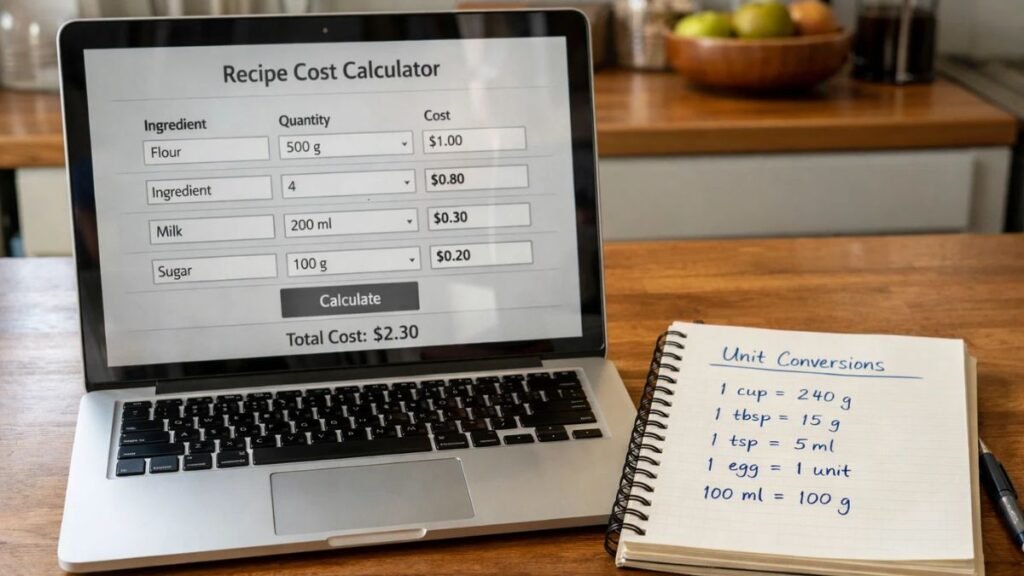
This is where calculators beat spreadsheets.
The tool converts bulk prices into:
- Cost per gram
- Cost per ml
- Cost per unit
No mental math. No broken formulas.
Step 4: Total Recipe Cost Is Calculated
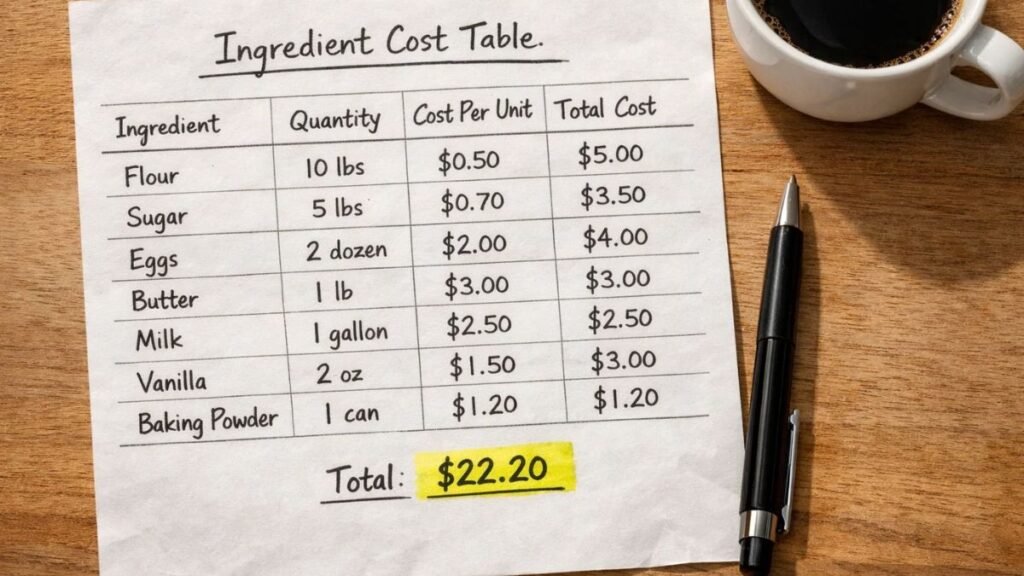
Each ingredient’s cost is added to produce the true recipe cost.
Not guessed. Not rounded emotionally. Actual.
Step 5: Cost Per Serving Is Revealed
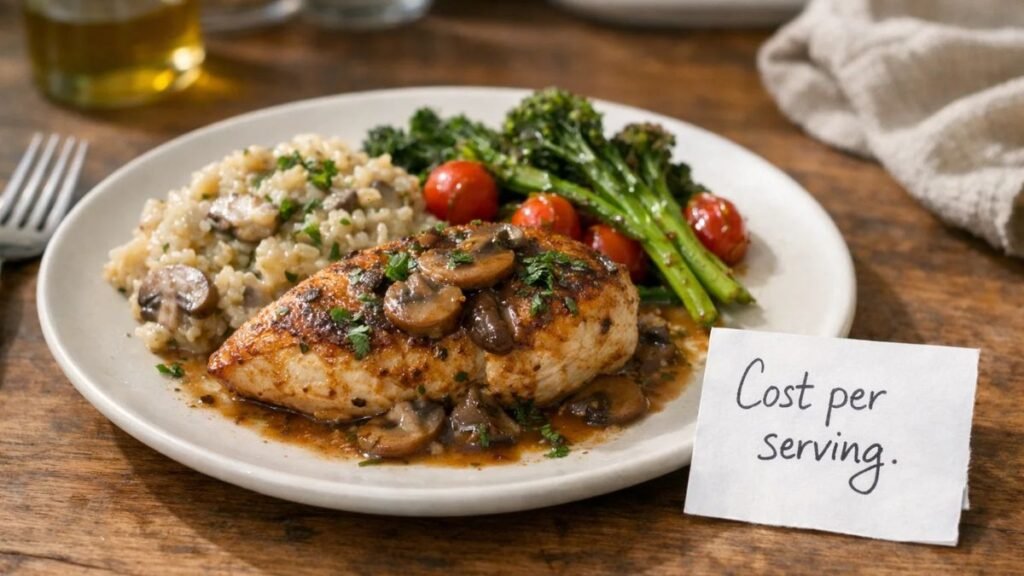
Finally, the number professionals care about most:
Cost per portion
If your recipe serves 4, the calculator divides accurately — and instantly.
This is why chefs trust tools, not intuition.
“If you’re planning meals around protein targets, this tool helps.” 👉 PCOS Protein Calculator
A Small Example That Explains Why Guessing Always Loses
Let’s say you sell a baked dish you feel costs “around $2 per serving.”
You run it through a dish cost calculator and see this:
- Flour: $0.60
- Butter: $0.80
- Sugar: $0.12
- Eggs: $0.50
Total recipe cost: $2.02
Servings: 4
Cost per serving: $0.51
Looks fine… until:
- Butter prices rise
- Portions creep
- A little batter gets wasted
Now imagine this across 40 menu items.
This is why professionals stop guessing early.
Recipe Cost Calculator vs Spreadsheet: Why Kitchens Move On
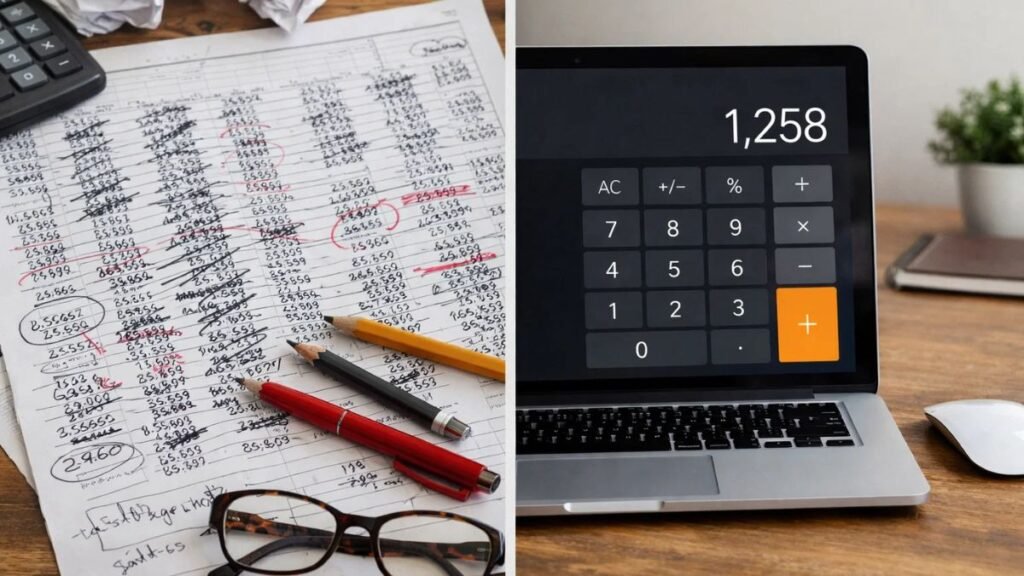
Almost every food business starts with Excel.
Most abandon it.
Spreadsheets:
- Break when units change
- Require constant manual updates
- Invite silent errors
- Don’t scale with menus
A recipe costing tool:
- Auto-converts units
- Updates instantly
- Reduces human error
- Saves hours weekly
There’s a reason chefs prefer calculators. They’re built for kitchens, not accountants.
“This is another example of why calculators beat spreadsheets.” 👉 Starbucks Drink Calorie Calculator 2025
Who Actually Needs a Recipe Cost Calculator?
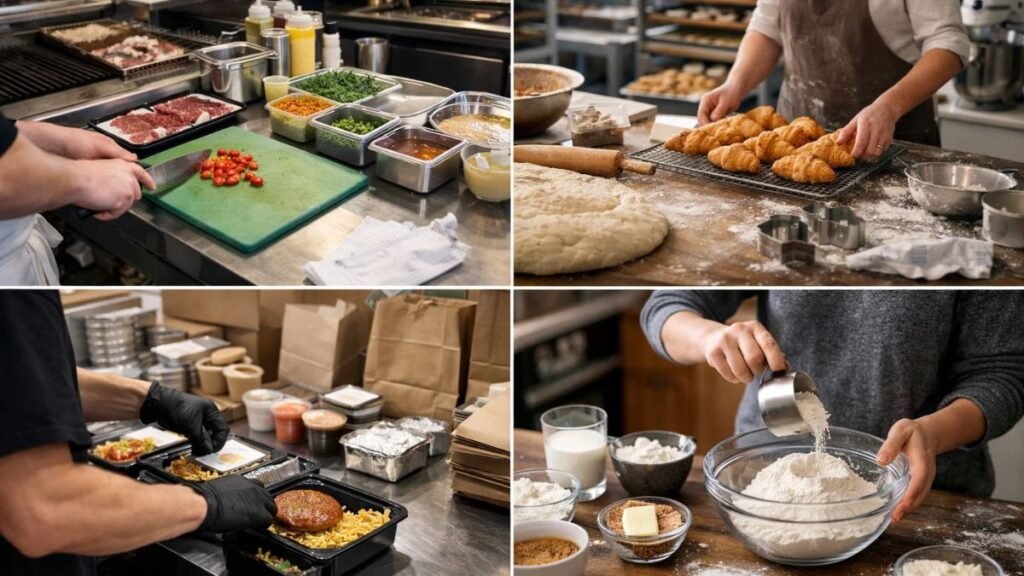
More people than think.
Restaurants & Cafés
A restaurant recipe cost calculator helps:
- Set menu prices
- Maintain food cost percentages
- Standardize portions
- Protect margins
This isn’t optional in professional kitchens.
Bakeries & Caterers
A bakery recipe cost calculator handles:
- Batch recipes
- Yield-based costing
- Bulk ingredient pricing
Especially important when scaling production.
Cloud Kitchens & Food Startups
A recipe cost calculator for food business helps startups:
- Price correctly from day one
- Avoid early cash burn
- Build scalable menus
Mistakes here compound fast.
Home Cooks & Content Creators
A home cooking cost calculator supports:
- Food budgeting
- Meal prep planning
- Monetization for bloggers
Transparency builds trust.
“If you’re building structured meal plans, this guide fits naturally.” 👉 Semaglutide Diet Plan PDF
What Separates a Good Calculator From a Useless One
Not all tools deserve trust.
A reliable free recipe cost calculator includes:
- Ingredient price breakdown
- Cost per serving calculator
- Unit conversion (grams, ml, pieces)
- Batch and yield support
- Portion-based costing
Accuracy isn’t a feature.
It’s the entire point.
Food Cost Percentage: The Metric Professionals Obsess Over
Recipe cost alone isn’t enough.
Professionals watch food cost percentage.
Formula:
Food Cost % = (Recipe Cost ÷ Menu Price) × 100
Example:
- Recipe cost: $4
- Menu price: $16
- Food cost percentage: 25%
Most restaurants aim for 25–35%, depending on concept.
A smart recipe cost calculator with profit insight makes this visible instantly.
“For another practical numbers-based planning tool, see this.” 👉 Reverse BMI Calculator
A Clear Recipe Costing Table (What the Numbers Actually Look Like)
| Ingredient | Quantity Used | Cost per Unit | Total Cost |
|---|---|---|---|
| Flour | 300 g | $0.002/g | $0.60 |
| Butter | 100 g | $0.008/g | $0.80 |
| Sugar | 80 g | $0.0015/g | $0.12 |
| Eggs | 2 | $0.25 each | $0.50 |
| Total Recipe Cost | — | — | $2.02 |
Servings: 4
Cost per serving: $0.51
This is what control looks like.
Common Recipe Costing Mistakes (Even Pros Make These)
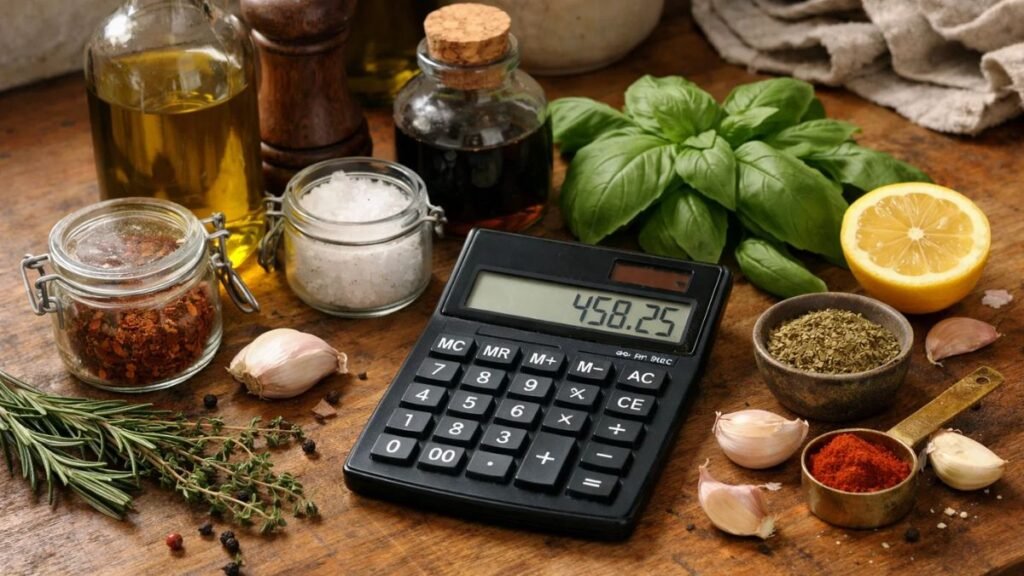
I’ve seen experienced kitchens lose money here.
Ignoring “Small” Ingredients
Oil, spices, herbs — they add up.
Costing Purchases, Not Usage
You didn’t use the whole bag. Don’t price it that way.
Forgetting Yield Loss
Trim, evaporation, cooking loss are real.
Guessing Portion Sizes
Portion control is pricing control.
A proper meal cost calculator removes these risks.
Are Free Online Recipe Cost Calculators Actually Accurate?
Yes — if built correctly.
Accuracy depends on:
- Correct formulas
- Accurate input prices
- Transparent logic
Paid tools add inventory systems and analytics.
They don’t add better math.
Advanced Cost Control: Where Professionals Go Next
For deeper control, kitchens pair recipe costing with:
- Food cost percentage calculators
- Menu pricing guides
- Inventory tracking tools
Together, they turn chaos into predictability.
Final Word: Why This Tool Isn’t About Being Cheap
A recipe cost calculator isn’t about cutting corners.
It’s about awareness.
When you know your numbers:
- Pricing becomes confident
- Profits become predictable
- Decisions stop feeling emotional
In food — where margins are thin and effort is high — clarity is everything.
“Cost awareness matters even more when calories go up.” 👉 High Calorie Meal Prep
FAQ
What is recipe costing?
Recipe costing is the process of calculating the exact cost of making a dish based on ingredient prices, quantities used, and portion size.
How do I calculate recipe cost per serving?
Add the cost of all ingredients used, then divide by the number of servings the recipe yields.
Is a free recipe cost calculator accurate?
Yes. If it uses correct formulas and accurate ingredient prices, free tools can be just as precise as paid ones.
Why is food cost percentage important?
It shows how much of your selling price goes toward food, helping protect profit margins.
If you enjoyed this article, don’t forget to follow and subscribe for more health tools, recipes, and news!

Muhammad Ahtsham is the founder of EatLikeFit.com and a nutrition researcher dedicated to healthy weight management. He provides practical, science-backed advice on high-protein diets and affordable meal planning to help readers achieve their fitness goals simply and effectively.