
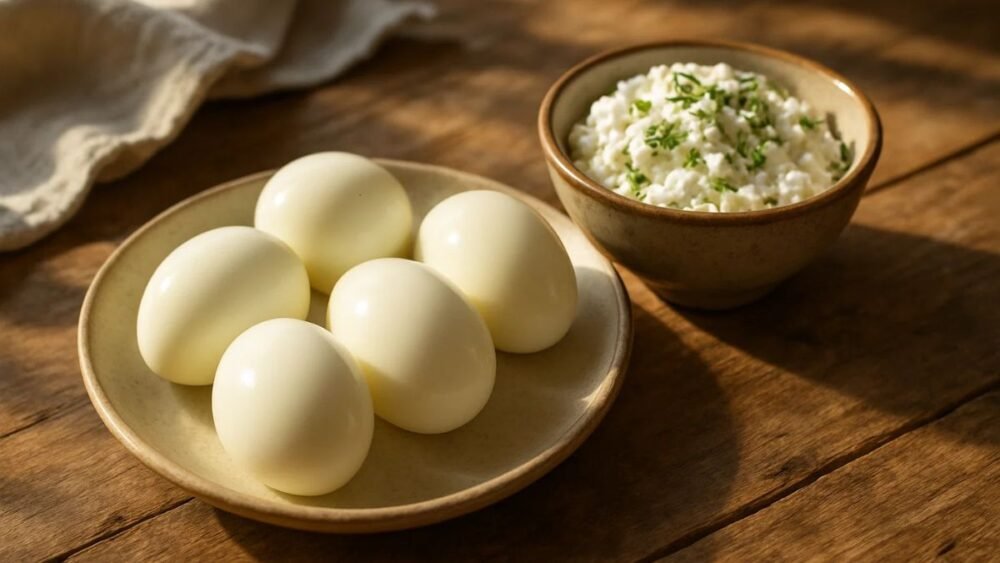
When it comes to choosing a protein powerhouse, hard‑boiled eggs and cottage cheese often go head-to-head. Both have loyal fans, both pack nutrients, but which one truly supports your health better? Let’s dig into the details—and I promise, it’s not as simple as “one is better than the other.”
Jump To
Eggs: Small Shell, Big Nutrition
I’ve always been a fan of hard‑boiled eggs—they’re quick, portable, and surprisingly packed with nutrition. Just 100 grams of boiled eggs deliver roughly 12.6 grams of protein, slightly edging out low‑fat cottage cheese, which sits around 11 grams per 100 grams.
But protein isn’t the only reason eggs get a gold star. They’re loaded with vitamins A, D, B6, and B12, plus minerals like selenium, zinc, and iron. For people who are avoiding dairy or want a nutrient-dense snack without lactose, eggs are a natural fit.
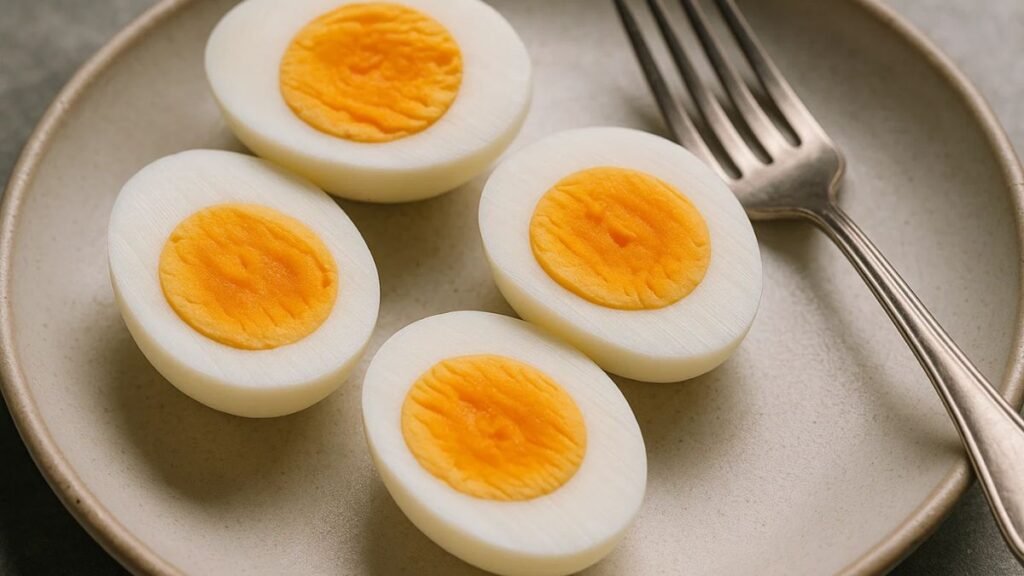
That said, eggs come with more fat and cholesterol than cottage cheese. Nutritionists often note that moderation matters, especially if you’re keeping an eye on LDL cholesterol. But for most healthy adults, one or two eggs a day is a fine, nutrient-packed choice.
If you’re interested in how eggs stack up with other breakfast proteins, you might also like our deep dive into paneer vs eggs vs chicken, which breaks down protein content and nutrient differences in a meal context.
Cottage Cheese: Gentle Dairy With Staying Power
Cottage cheese has quietly earned a reputation as a low-fat, low-cholesterol protein option. A 100‑gram serving of 2% cottage cheese has about 11 grams of protein, modest fat (~2.3 grams), and key minerals like calcium and phosphorus, which are vital for bone health.
What I find most interesting? Cottage cheese is high in casein, a slowly digested protein. That means it helps you feel full longer, which can be a boon if you’re managing weight or looking for a steady protein source between meals.
On the downside, some cottage cheese varieties can be high in sodium, which matters if you’re watching blood pressure. Nutritionists suggest choosing low-sodium, low-fat options to get the best of both worlds.
For a practical twist, you can pair cottage cheese with snacks or post-workout meals—similar to our high-protein yogurt bowl recipe, which balances protein and flavor without overloading on sugar.
How to Decide: It’s About Your Goals
Here’s the truth: there’s no single “winner” in the egg vs. cottage cheese debate. Your choice should align with health goals, lifestyle, and dietary needs.
Choose eggs if you want:
- A nutrient-dense protein rich in vitamins and minerals.
- Higher vitamin D, A, and B‑vitamin content.
- Non-dairy protein (perfect for lactose intolerance or dairy avoidance).
Choose cottage cheese if you prefer:
- Lower saturated fat and cholesterol.
- Slowly digesting protein that supports satiety and weight management.
- Extra calcium and minerals for bone health.
Many dietitians recommend rotating both proteins throughout the week. For example, eggs make a great nutrient-dense breakfast, while cottage cheese shines in a light lunch or post-workout snack.
What Experts Say: Balance Over “Best”
Health professionals emphasize that variety trumps superfoods. Incorporating eggs, dairy, legumes, lean meats, and plant-based proteins ensures you cover a wider range of amino acids, vitamins, and minerals.
Certain conditions may tilt your choice:
- Lactose intolerance: Eggs are usually better tolerated.
- High cholesterol: Cottage cheese may be preferable in moderation.
Your diet isn’t just about one food—it’s about patterns, habits, and overall balance. Experts say focusing on a mix of proteins and rotating them is the smartest approach for sustainable health.
If you’re curious about other high-protein, weight-management options, check out our guide on dietitian-approved weight loss breakfast foods, which complements eggs and cottage cheese beautifully.
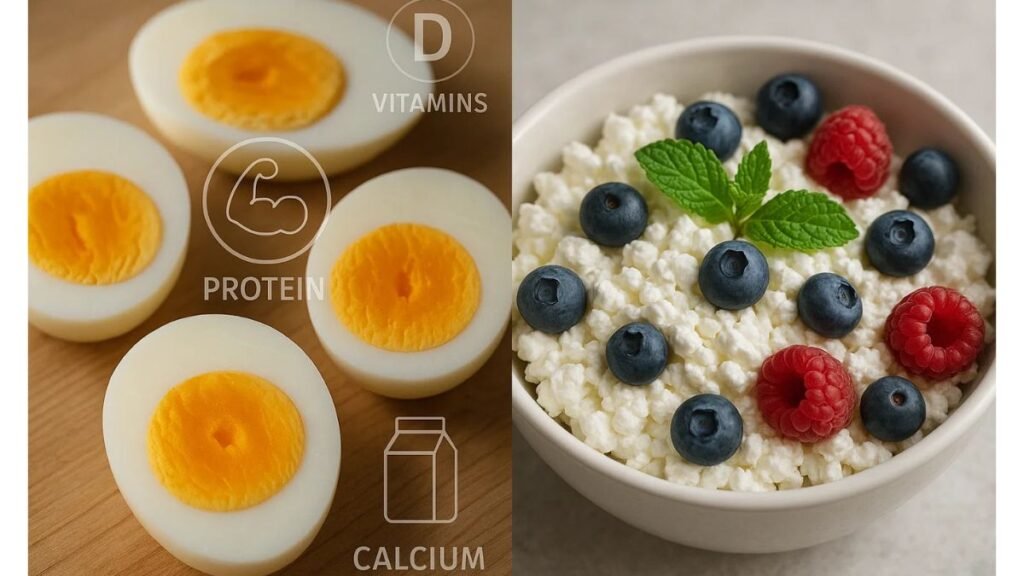
| Aspect | Hard‑Boiled Eggs | Cottage Cheese (low‑fat) |
|---|---|---|
| Protein (per 100 g) | ~12.6 g | ~11 g |
| Fat & Cholesterol | Higher | Lower |
| Key Nutrients | Vitamins A, D, B6, B12, selenium, zinc, iron | Calcium, phosphorus, casein protein |
| Best For | Nutrient density, non-dairy protein | Weight management, lower-fat diets, bone health |
The Bottom Line
So, which is better? Honestly, both have unique strengths. Eggs offer a nutrient-dense, non-dairy protein punch, while cottage cheese provides a slow-digesting, bone-friendly option with lower fat.
A smart strategy? Alternate and combine. Rotate them across meals or mix them into recipes. That way, you harness the best of both worlds—egg-based breakfasts for a nutrient boost and cottage cheese for satiety and gentle dairy protein.
Ultimately, the “right” choice depends on your health needs, lifestyle, and how your body responds. And that, my friends, is how you make protein work for you.
If you enjoyed this article, don’t forget to follow and subscribe for more health tools, recipes, and news!
Sources
- USDA FoodData Central – Nutritional information for eggs and cottage cheese. Available at: https://fdc.nal.usda.gov/
- Cleveland Clinic – “Cottage Cheese: Nutrition, Benefits, and How to Eat It.” Accessed December 2025. https://health.clevelandclinic.org/
- UCLA Health – “The Benefits of Casein Protein for Satiety and Weight Management.” https://www.uclahealth.org/

Muhammad Ahtsham is the founder of EatLikeFit.com and a nutrition researcher dedicated to healthy weight management. He provides practical, science-backed advice on high-protein diets and affordable meal planning to help readers achieve their fitness goals simply and effectively.