

Weight-loss trends have a habit of burning hot and disappearing fast. One year it’s celery juice. The next, it’s some hyper-restrictive plan that promises miracles and delivers burnout. But every now and then, an ingredient that’s been sitting quietly on the sidelines makes a comeback—not because of hype, but because the science finally catches up to common sense.
Gelatin is having that moment.
Yes, that gelatin. The same humble ingredient many of us associate with wobbly desserts and hospital trays is now being reexamined by nutrition researchers, gut-health specialists, and metabolic experts. And what they’re finding is surprisingly compelling: when used intentionally, gelatin can support weight loss by improving fullness, stabilizing appetite, protecting lean mass, and even making dieting feel… manageable.
I didn’t expect to say that either.
This isn’t a detox. It’s not a cleanse. And it’s definitely not about living on gelatin cubes. The gelatin diet—when done right—is more of a strategic framework than a rigid plan. Think of it as a quiet helper that works in the background while you focus on eating better, not less.
Let’s break it down properly—without exaggeration, without gimmicks, and without pretending gelatin is some miracle food.
Jump To
What the Gelatin Diet Actually Is (And What It Isn’t)
The gelatin diet isn’t a formal program with rules printed on glossy cards. It’s an evidence-informed approach that uses gelatin-rich foods to enhance satiety, improve protein intake, and support the body during fat loss.
Gelatin comes from collagen, the most abundant protein in the human body. When collagen is gently heated—through slow cooking or processing—it breaks down into gelatin, which becomes soluble, digestible, and surprisingly functional inside the body.
Here’s what defines the gelatin diet in practical terms:
- It’s protein-forward but calorie-light
- Naturally low in carbohydrates and fat
- Rich in amino acids like glycine, proline, and hydroxyproline
- Easy on digestion compared to many dense animal proteins
- Neutral in taste, which makes it endlessly adaptable
Most importantly, gelatin isn’t meant to replace meals. It works best as a supporting player—added to breakfasts, snacks, or light meals to help you feel fuller, longer, without piling on calories.
That’s the part people usually miss.

Also Serve: Bariatric Gelatin Recipe
Why Gelatin Helps With Weight Loss (Without Trying to Do Too Much)
Weight loss doesn’t fail because people don’t know what to eat. It fails because hunger, fatigue, and inconsistency creep in. Gelatin helps by quietly improving the mechanics of eating.
1. It Makes You Feel Full—Fast
Gelatin absorbs liquid and expands in the stomach, which slows digestion and delays gastric emptying. Translation? You feel satisfied sooner, and that feeling lasts longer.
Unlike refined carbohydrates, gelatin doesn’t spike blood sugar or trigger the kind of rebound hunger that sends you rummaging through the pantry an hour later.
This is especially useful during calorie deficits, intermittent fasting windows, or late-night snacking danger zones.
2. It Helps Protect Lean Muscle
One of the least talked-about problems with dieting is muscle loss. Lose too much lean mass, and your metabolism pays the price.
Gelatin isn’t a complete protein, but it provides amino acids that support connective tissue, muscle repair, and structural integrity—especially when paired with complete proteins like eggs, dairy, fish, or legumes.
In other words, it helps support the system while other proteins do the heavy lifting.
3. It Supports Gut Health (Which Affects Fat Loss More Than You Think)
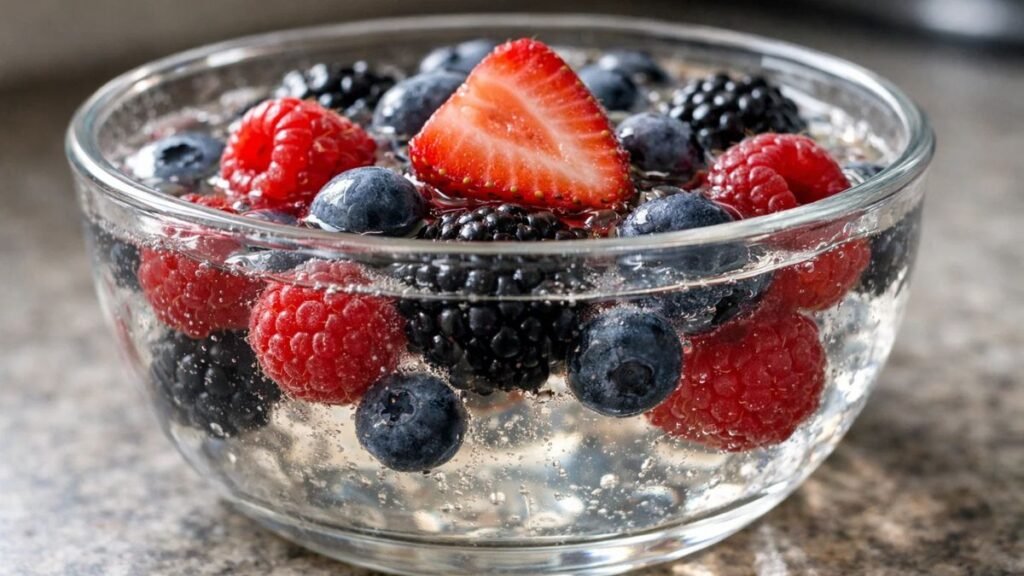
Emerging research continues to link gut integrity with metabolic health, inflammation, and insulin sensitivity. Gelatin’s amino acids—particularly glycine—may help support the intestinal lining and digestive function.
Better digestion often means:
- Improved nutrient absorption
- Less bloating and discomfort
- More stable appetite signals
None of that sounds flashy, but all of it matters for sustainable weight loss.
Also Serve: Miracle Weight Loss Drink Recipe
4. It May Improve Sleep and Recovery
Glycine has been studied for its calming effects on the nervous system and its role in sleep quality. And better sleep is strongly associated with improved appetite regulation, hormone balance, and fat metabolism.
When weight loss stalls, sleep is often the missing piece.
Gelatin vs. Collagen: Similar Origins, Different Roles
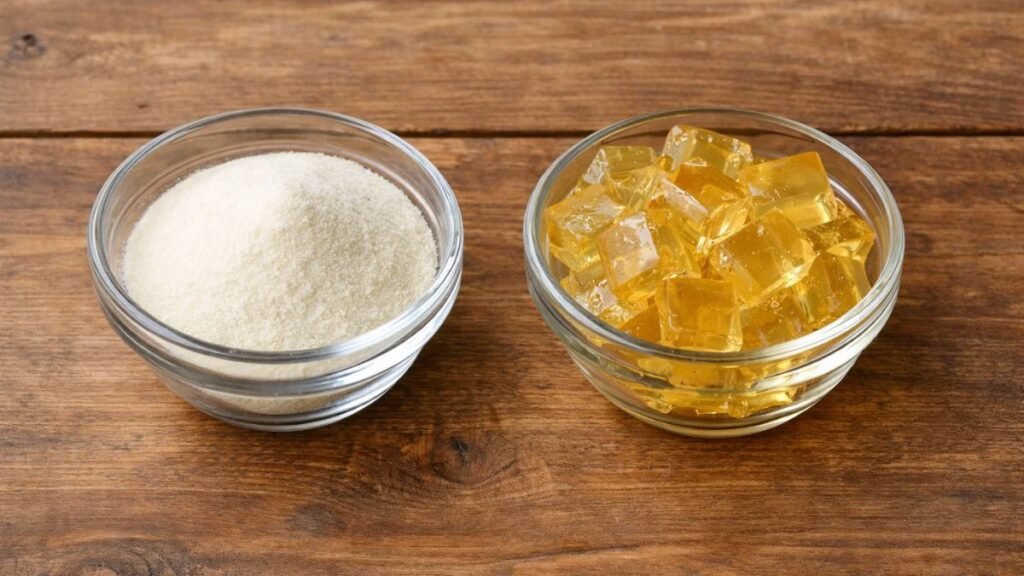
These two often get lumped together, but they behave differently in the body.
| Feature | Gelatin | Collagen |
|---|---|---|
| Form | Cooked, gel-forming | Raw or hydrolyzed |
| Texture | Thickens and sets liquids | Dissolves completely |
| Best Use | Meals, recipes, satiety | Supplements, drinks |
| Fullness Effect | High | Moderate |
Both have value, but gelatin’s ability to create volume in the stomach gives it an edge for appetite control during weight loss.
Is the Gelatin Diet Safe?
For most healthy adults, yes—gelatin is safe, well-tolerated, and easy to digest. That said, context matters.
Be cautious if you:
- Have a protein-restricted medical diet
- Have advanced kidney disease
- Are trying to replace all protein with gelatin
Gelatin lacks certain essential amino acids, which means it should complement, not replace, whole foods. Balance is non-negotiable here.
How to Use Gelatin the Right Way
This is where most people go wrong—either underusing it or turning it into something it’s not.
Core Guidelines That Actually Work
- Use gelatin to enhance meals, not eliminate them
- Pair it with complete proteins for amino acid balance
- Choose unflavored, grass-fed gelatin when possible
- Skip artificial sweeteners and boxed dessert mixes
The goal isn’t restriction. It’s support.
A Realistic, Science-Backed 7-Day Gelatin Diet Meal Plan
This plan averages 1–2 gelatin-based recipes per day, integrated into normal meals. No extremes. No weird combinations.
Day 1
- Breakfast: Greek yogurt with gelatin-set berry compote
- Lunch: Grilled chicken salad with olive oil
- Dinner: Vegetable-rich bone broth soup
Day 2
- Breakfast: Gelatin coffee protein cubes
- Lunch: Lentil and vegetable stew
- Dinner: Baked salmon with leafy greens
Day 3
- Breakfast: Citrus gelatin with cottage cheese
- Lunch: Turkey lettuce wraps
- Dinner: Roasted vegetables with quinoa
Day 4
- Breakfast: Herbal tea gelatin squares
- Lunch: Egg and avocado bowl
- Dinner: Lean beef stir-fry
Day 5
- Breakfast: Cinnamon apple gelatin
- Lunch: Chickpea salad with herbs
- Dinner: Grilled shrimp and zucchini
Day 6
- Breakfast: Lemon-ginger gelatin
- Lunch: Chicken soup made with gelatin-rich broth
- Dinner: Sweet potato and tofu
Day 7
- Breakfast: Mixed berry gelatin parfait
- Lunch: Tuna salad
- Dinner: Vegetable curry
Serve This: Fasting-Mimicking Diet Meal Plan PDF
A Signature Gelatin Recipe That Actually Fits Real Life

High-Protein Citrus Gelatin Bowl
Ingredients
- 1 tablespoon unflavored gelatin
- 1 cup warm water
- Juice of 1 orange
- ½ cup Greek yogurt
- Optional: fresh grated ginger
Instructions
- Dissolve gelatin completely in warm water.
- Stir in citrus juice and ginger.
- Chill for 2–3 hours until set.
- Serve topped with Greek yogurt.
Why it works:
Low in calories. High in satiety. Gentle on digestion. Easy to prep ahead. This is the kind of recipe that quietly improves consistency—and consistency is everything.
Common Mistakes That Stall Progress
Even good ideas can backfire if applied poorly.
Over-Sweetening Everything
Added sugars undo gelatin’s appetite-regulating benefits fast.
Forgetting Fiber
Gelatin has none. Pair it with fruit, vegetables, or seeds every time.
Treating It Like a Detox
This isn’t a cleanse. Sustainable fat loss requires enough calories, micronutrients, and variety.
Who Tends to Benefit Most From the Gelatin Diet?
- People who struggle with portion control
- Adults over 35 noticing muscle loss during dieting
- Anyone dealing with joint discomfort while losing weight
- Those following intermittent fasting or lower-carb plans
It’s especially helpful for people who want structure without obsession.
A Straightforward Expert Take
The gelatin diet works not because gelatin is magical, but because it solves practical problems:
- Hunger becomes easier to manage
- Meals feel more satisfying
- Recovery improves
- Adherence gets simpler
Weight loss rarely fails because of bad intentions. It fails because the system doesn’t support the person. Gelatin—used wisely—adds that missing support.
Key Takeaways Worth Remembering
- Gelatin supports weight loss through fullness and protein support
- It works best alongside whole, balanced meals
- Research supports its role in gut, joint, and metabolic health
- Long-term success still depends on variety and consistency
Also Serve: Bone Broth Hot Chocolate
FAQs
Can gelatin replace protein powder?
No. Gelatin lacks essential amino acids and should only complement complete proteins.
How much gelatin per day is typical for weight loss?
Most people do well with 10–20 grams daily, spread across meals.
Is gelatin better than collagen for fat loss?
Gelatin’s volume-forming effect gives it an advantage for appetite control.

High-Protein Citrus Gelatin Bowl
Equipment
- Medium bowl
- whisk or spoon
- Measuring cup
- Glass serving bowls
Ingredients
- 1 tablespoon Unflavored gelatin Grass-fed preferred
- 1 cup Warm water Not boiling
- 1 large Orange Freshly juiced
- ½ cup Greek yogurt Plain unsweetened
- 1 teaspoon Honey Optional
- ½ teaspoon Fresh ginger Optional finely grated
Instructions
- Pour warm water into a medium bowl and slowly sprinkle the gelatin over the surface. Let it bloom for 1 minute.
- Whisk gently until the gelatin is fully dissolved and no granules remain.
- Stir in freshly squeezed orange juice and grated ginger, if using.
- Pour the mixture evenly into glass bowls or containers.
- Refrigerate for at least 2 hours, or until fully set.
- Serve topped with Greek yogurt just before eating.
Video
Notes
- This recipe works best as a breakfast add-on or mid-day snack, not a meal replacement.
- For higher protein, pair with eggs or nuts on the side.
- Avoid boiling water — high heat can reduce gelatin’s setting power.
- Can be made up to 3 days ahead and stored covered in the fridge.
Sources:
- Harvard T.H. Chan School of Public Health – Protein and Weight Management
- National Institutes of Health (NIH) – High-Protein Diets and Weight Loss
- PubMed – Effects of Gelatin-Based Diets on Appetite and Weight Loss
- PubMed – Protein Type and Appetite Suppression Study
- Healthline – Evidence-Based Review of Gelatin Benefits

Muhammad Ahtsham is the founder of EatLikeFit.com and a nutrition researcher dedicated to healthy weight management. He provides practical, science-backed advice on high-protein diets and affordable meal planning to help readers achieve their fitness goals simply and effectively.