
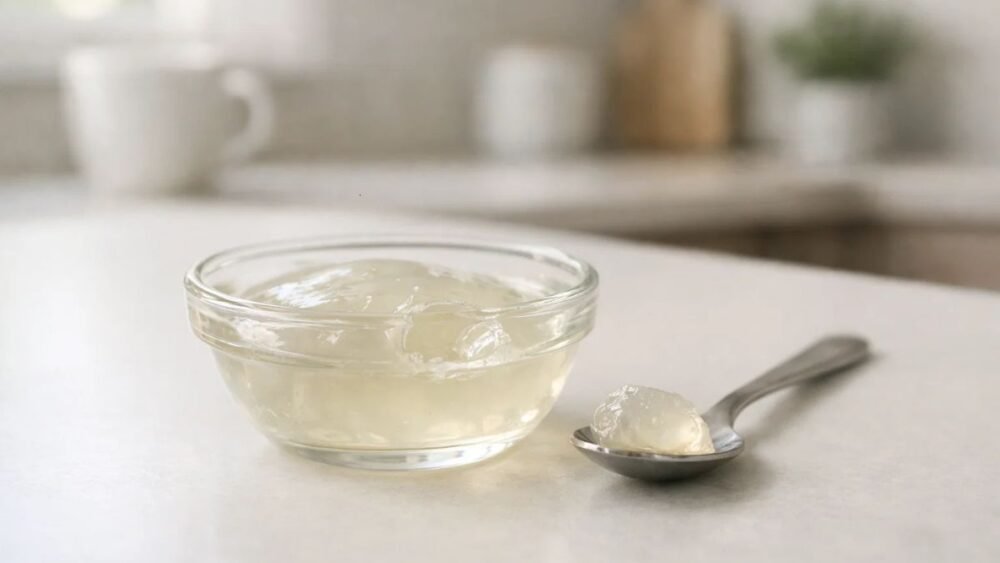
Yes — a properly prepared bariatric gelatin recipe is safe for most patients after weight loss surgery when it’s sugar-free, portion-controlled, and matched to the correct diet stage. It supports hydration, gentle digestion, and early protein intake without putting stress on a healing stomach.
If you’ve been through bariatric surgery — or you’re supporting someone who has — you already know the early recovery phase can feel… strange. Not painful strange, necessarily. More like emotionally awkward. Your stomach is healing, your portions are tiny, and food — something that once brought comfort — suddenly feels clinical.
That’s where bariatric gelatin quietly earns its place.
It’s not exciting. It’s not trendy. But for many patients, it becomes the first thing that feels normal again. A spoon. A soft texture. A hint of sweetness. Something that doesn’t fight your stomach while you’re still learning how to live in this new body.
Jump To
What Is Bariatric Gelatin, Really?
At its core, bariatric gelatin is gelatin that’s been adapted to fit post-surgery nutrition rules — not just calorie reduction.
A bariatric-friendly gelatin recipe is typically:
- Sugar-free or zero-sugar
- Easy to digest
- Smooth (no chunks, no chew)
- Portion-controlled
- Compatible with bariatric stage diets
- Often enhanced with protein or collagen
This is not the same thing as grabbing regular Jell-O from the grocery shelf and calling it a day.
Regular gelatin desserts often contain:
- Added sugar
- Artificial thickeners
- Textures that can irritate a healing stomach
Gelatin for bariatric patients is designed with healing in mind — not indulgence.
Serve This: 10 Best Coffee Recipes for Weight Loss That Burn Fat Fast (2025)
Is Gelatin Safe After Bariatric Surgery?
Yes — gelatin is generally safe after bariatric surgery, and it’s commonly recommended by bariatric surgeons and dietitians, as long as it follows the rules.
Why gelatin works so well post-op:
- It melts at body temperature
- It places minimal strain on the stomach
- It helps with hydration
- Sugar-free versions reduce dumping syndrome risk
- It feels like “real food” during restrictive phases
That last point matters more than people realize.
When everything else feels like medicine — broths, supplements, protein shakes — gelatin offers a small psychological break. And that can improve compliance with the overall bariatric diet.
That said, timing and ingredients matter. What’s safe in Phase 1 isn’t always appropriate later, and vice versa.
Always follow your surgeon’s specific bariatric nutrition guidelines. Programs vary slightly, and personalization matters.
When Can You Eat Gelatin After Bariatric Surgery?
For most patients, gelatin is allowed very early — often within days of surgery.
Here’s a general timeline many programs follow (always confirm with your care team):
| Bariatric Diet Stage | Is Gelatin Allowed? | Key Notes |
|---|---|---|
| Clear Liquid (Phase 1) | ✅ Yes | Sugar-free, smooth only |
| Full Liquid (Phase 2) | ✅ Yes | Protein or collagen can be added |
| Soft Foods (Phase 3) | ✅ Yes | Dessert portions only |
| Regular Bariatric Diet | ✅ Yes | Protein-forward versions preferred |
Gelatin adapts beautifully as your diet progresses — which is why it sticks around longer than people expect.
Bariatric Clear Liquid Stage Gelatin (Phase 1)

This is the most delicate stage.
Your stomach is swollen, healing, and extremely sensitive. Portions are tiny. Tolerance is unpredictable. This is where bariatric clear liquid gelatin shines.
What’s Allowed in Phase 1
- Sugar-free gelatin only
- Completely smooth texture
- Clear or lightly tinted gelatin
- Small portions
What to Avoid
- Regular gelatin with sugar
- Gelatin with fruit pieces
- Whipped toppings
- Gummy or chewy textures
Why it works:
Gelatin liquefies at body temperature. That means less mechanical work for your stomach and a lower chance of discomfort.
For many patients, it’s one of the first foods that doesn’t feel scary.
Serve This: How to Make Lemon Balm Tea for Weight Loss Recipe
Bariatric Full Liquid Stage Gelatin (Phase 2)
This is where gelatin graduates from “comfort food” to functional recovery food.
During the bariatric full liquid stage, you can begin enhancing gelatin with protein — turning it into a bariatric protein dessert.
Approved Add-Ins
- Unflavored protein powder
- Collagen peptides
- Bariatric-approved clear protein drinks
- Electrolyte-enhanced water
This stage is especially important for:
- Muscle preservation
- Wound healing
- Preventing protein deficits
A well-made bariatric stage 2 gelatin recipe can quietly support all of that.
Bariatric Soft Food Stage Gelatin (Phase 3)
By the time you reach the soft food stage, gelatin is no longer nutritionally necessary — but it’s still useful.
Why many patients keep it around:
- Sweet cravings often increase
- Portions remain naturally small
- It’s easy on digestion
- It pairs well with approved soft foods
At this stage, gelatin works best as:
- A controlled dessert
- A snack, not a meal replacement
Some patients combine it with yogurt or cottage cheese once those foods are approved — but only if tolerated.
How to Make Bariatric Gelatin (Basic, Clear-Liquid Safe)
Let’s keep this simple.
Easy Bariatric Gelatin Recipe (Phase 1 Approved)
Ingredients
- 1 packet sugar-free gelatin
- 1 cup boiling water
- 1 cup cold water
Instructions
- Dissolve the gelatin completely in boiling water.
- Stir for a full 2 minutes to avoid grainy texture.
- Add cold water and mix gently.
- Chill until fully set.
Serving Size
Start with 2–4 tablespoons, eaten slowly.
This version is ideal for:
- Bariatric clear liquid stage
- Early post-op recovery
- Sensitive stomachs
Serve This: Bone Broth Hot Chocolate
High-Protein Bariatric Gelatin Recipe (Full Liquid Stage)
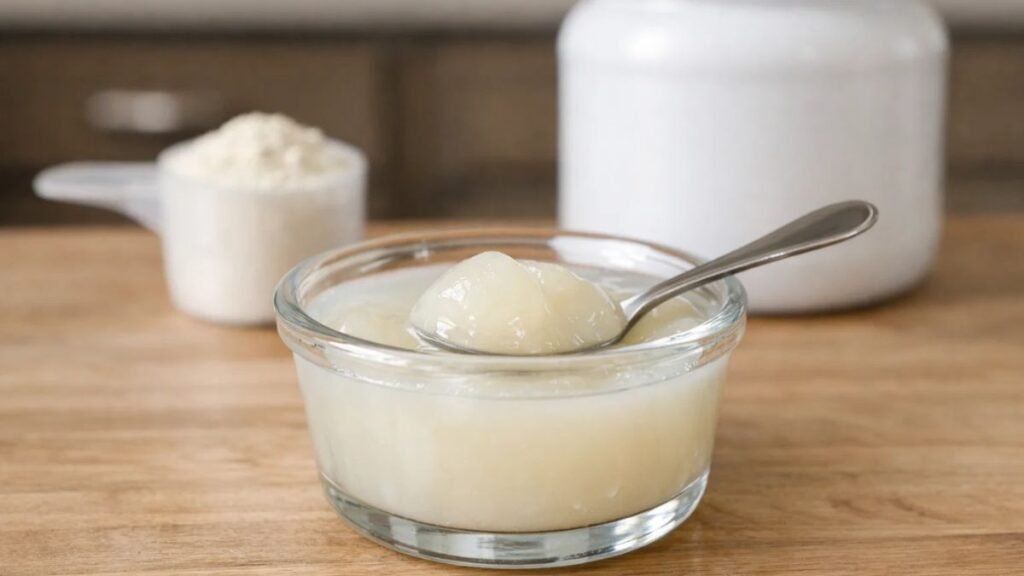
This is the version patients tend to love long-term.
High-Protein Bariatric Gelatin (Phase 2)
Ingredients
- 1 packet sugar-free gelatin
- 1 cup boiling water
- ½ cup cold water
- ½ cup bariatric-approved protein drink (clear or light-colored)
Instructions
- Dissolve gelatin in boiling water.
- Let it cool slightly — this matters for protein integrity.
- Stir in the protein drink gently.
- Chill until fully set.
Approximate Nutrition
- Calories: 40–60
- Protein: 10–15g
- Sugar: 0g
This recipe checks a lot of boxes:
- Bariatric-approved
- High-protein
- Low-calorie
- Digestive-friendly
It’s one of the easiest bariatric diet gelatin recipes to stick with consistently.
Collagen Gelatin for Bariatric Diets: Is It Worth It?
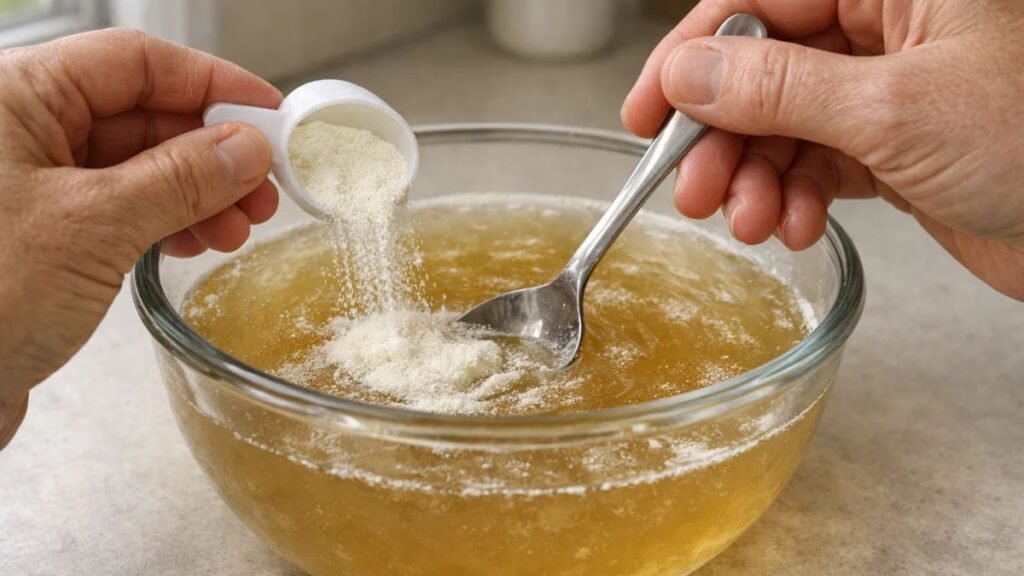
Collagen comes up a lot — and for good reason.
Why Bariatric Patients Use Collagen Gelatin
- Supports skin elasticity during rapid weight loss
- May help with joint comfort
- Neutral flavor when unflavored
- Easy to digest
To use it safely:
- Add unflavored collagen peptides after the gelatin cools slightly
- Avoid adding collagen to very hot liquid
While collagen shouldn’t replace complete protein sources, it can be a helpful addition during early recovery.
How Much Gelatin Can Bariatric Patients Eat?
Even low-calorie foods need boundaries.
General Portion Guidelines
- Early stages: 2–4 tablespoons per serving
- Later stages: Up to ½ cup, if tolerated
- Eat slowly
- Stop at the first sign of fullness
Gelatin should support your bariatric lifestyle — not crowd out protein-rich meals long-term.
Serve This: Apple Chia Pudding
Is Sugar-Free Gelatin Bariatric Friendly?
Yes — sugar-free gelatin is bariatric friendly, and it’s strongly preferred.
Why Sugar-Free Matters
- Reduces dumping syndrome risk
- Helps stabilize blood sugar
- Supports weight loss goals
- Aligns with bariatric nutrition guidelines
One note of caution:
Some sugar-free products use sugar alcohols, which can cause bloating for certain patients. Always check labels and monitor tolerance.
Gelatin vs Pudding vs Yogurt: Bariatric Comparison
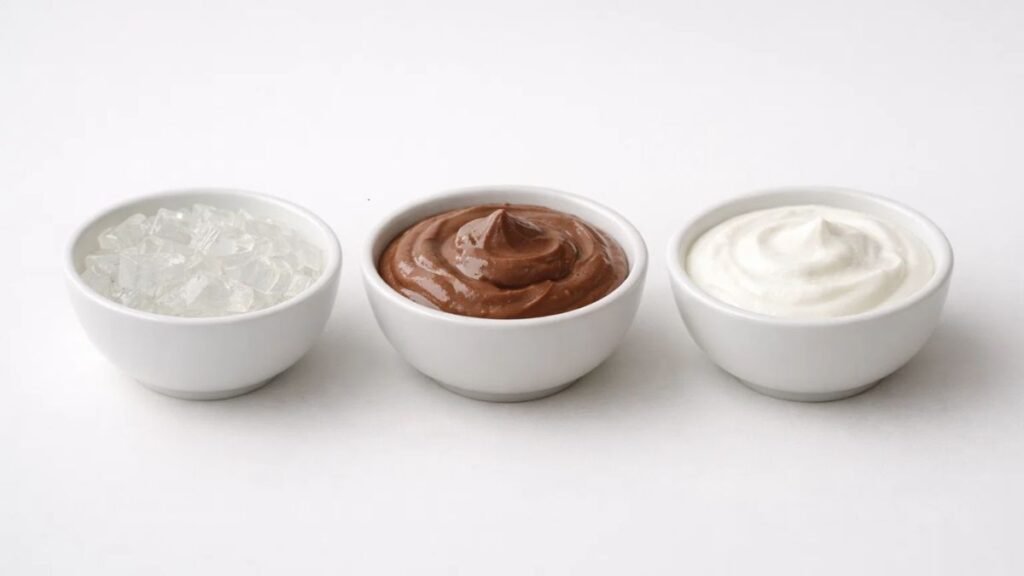
| Option | Best Stage | Pros | Cons |
|---|---|---|---|
| Gelatin | Phase 1–3 | Light, hydrating | Low protein alone |
| Pudding | Phase 2–3 | Creamy, filling | Often higher sugar |
| Yogurt | Phase 3+ | High protein | May feel heavy early |
Gelatin wins early for tolerance and safety. Yogurt becomes more useful later once digestion stabilizes.
Common Mistakes Bariatric Patients Make with Gelatin
Simple foods can still cause problems if handled carelessly.
Avoid these common issues:
- Using regular (sugared) gelatin
- Eating large portions too quickly
- Adding fruit too early
- Mixing protein into very hot liquid
- Treating gelatin as a meal replacement
Small tweaks make a big difference in comfort.
Why Bariatric Patients Keep Coming Back to Gelatin
It’s not just about calories.
Many patients say gelatin helps because it:
- Provides emotional comfort
- Makes early recovery feel less restrictive
- Encourages hydration
- Reduces temptation for unsafe sweets
Sometimes, psychological compliance matters as much as nutrition — especially in the first few weeks.
Bariatric Gelatin: Quick Recap
- Safe after bariatric surgery when sugar-free
- Ideal for clear and full liquid stages
- Easy to upgrade with protein or collagen
- Portion control still matters
- Not a long-term protein substitute
Final Thoughts: Is Bariatric Gelatin Worth Including?
Absolutely.
A thoughtfully prepared bariatric gelatin recipe fits naturally into post-op recovery. It supports hydration, encourages compliance, and offers a small sense of normalcy when everything else feels new.
When matched to your bariatric stage diet, gelatin becomes more than a snack — it becomes a quiet ally in recovery.
And sometimes, that’s exactly what you need.
Serve This: Healthy Marshmallow Recipe
FAQs
Can bariatric patients eat gelatin?
Yes. Sugar-free gelatin is generally safe when it aligns with the patient’s current bariatric diet stage and portion guidelines.
Is Jell-O allowed after bariatric surgery?
Sugar-free Jell-O is usually allowed. Regular Jell-O with sugar is discouraged due to dumping syndrome risk.
When can you eat gelatin after bariatric surgery?
Most patients can eat gelatin during the clear liquid stage, often within days of surgery.
How much gelatin can bariatric patients eat?
Start with a few tablespoons and increase slowly, stopping at the first sign of fullness.
If you enjoyed this article, don’t forget to follow and subscribe for more health tools, recipes, and news!
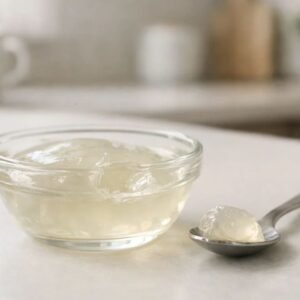
Bariatric Gelatin Recipe (Sugar-Free, High-Protein Option)
Equipment
- Mixing Bowl
- Measuring Cups
- whisk or spoon
- whisk or spoon
- Small serving cups or ramekins
- Refrigerator
Ingredients
Basic Bariatric Gelatin
- 1 packet sugar-free gelatin
- Any unflavored or light-flavored variety
- 1 cup boiling water
- 1 cup cold water
Optional High-Protein Add-In
- ½ cup bariatric-approved protein drink
- Clear or lightly colored added only after cooling slightly
Instructions
- Bring 1 cup of water to a boil.
- Pour the boiling water into a mixing bowl and add the sugar-free gelatin.
- Stir continuously for about 2 minutes until fully dissolved and smooth.
- Add 1 cup of cold water and mix gently.
- If using protein, allow the mixture to cool slightly, then stir in the protein drink slowly.
- Pour the mixture into small serving cups or ramekins.
- Refrigerate for at least 2 hours, or until fully set.
- Serve chilled in small, portion-controlled amounts.
Notes
- Always use sugar-free gelatin to reduce dumping syndrome risk.
- Start with 2–4 tablespoons per serving during early recovery stages.
- Eat slowly and stop at the first sign of fullness.
- Do not add fruit, dairy, or solid mix-ins unless approved by your bariatric care team.
- Protein or collagen should never be mixed into very hot liquid.

Muhammad Ahtsham is the founder of EatLikeFit.com and a nutrition researcher dedicated to healthy weight management. He provides practical, science-backed advice on high-protein diets and affordable meal planning to help readers achieve their fitness goals simply and effectively.