
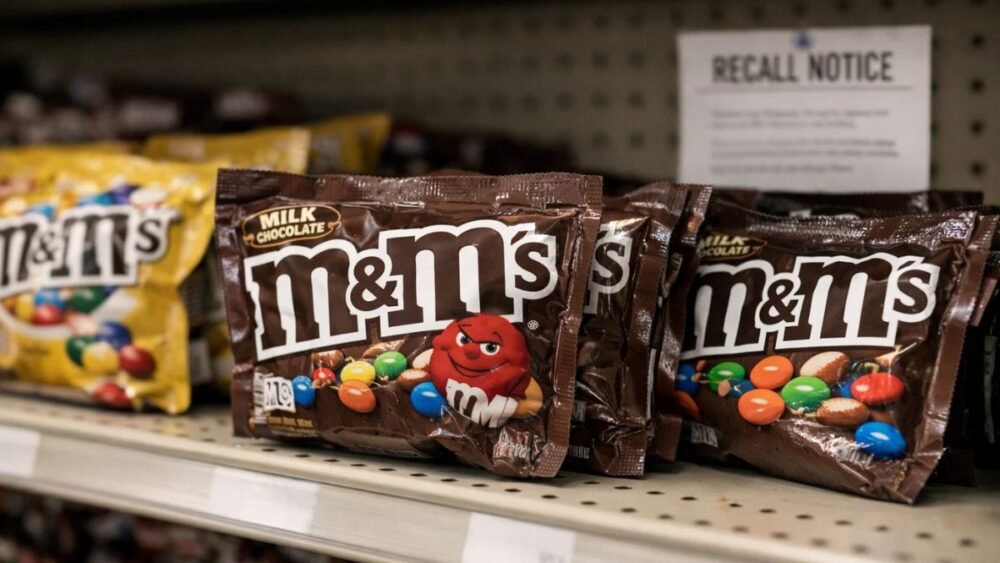
It starts innocently enough. A quick grab from the candy aisle. A familiar bag tossed into a cart without a second thought. But this week, a limited M&M recall has turned one of America’s most recognizable treats into a reminder of how closely food safety is watched—and how quickly trust can feel shaken.
For households where M&M’s are more than candy—where they show up in lunchboxes, baking trays, and movie-night bowls—the word recall lands with extra weight. Even when no injuries are reported, the moment sparks questions: Is it safe? Should I throw it out? How does this even happen?
Jump To
What Prompted the M&M Recall?
The recall was initiated after a potential safety concern surfaced during routine quality monitoring, according to industry-standard recall procedures. While details vary in early recall notices, experts note that these alerts are often issued before any harm occurs.
Food safety specialists explain that modern recall systems are built to err on the side of caution. When something appears even slightly off—whether it’s a labeling inconsistency or a packaging issue—manufacturers are expected to act fast.
Importantly, this recall does not apply to all M&M products. Only specific batches are affected, identified by lot numbers and packaging details. That distinction matters, and it’s where many consumers understandably feel confused.
Related: Two Popular Candy Bars Recalled
Should You Be Worried About Eating M&M’s Right Now?
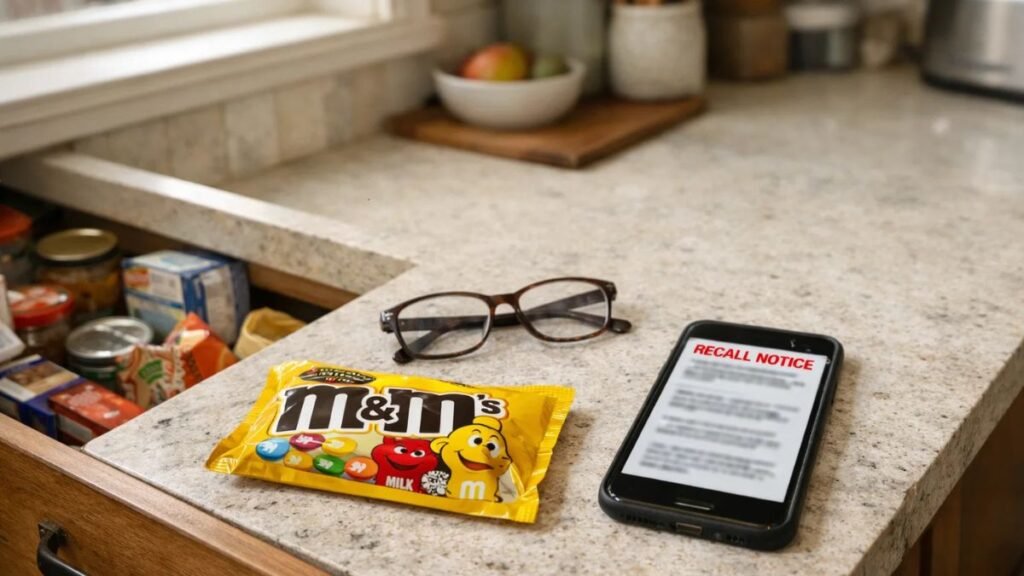
For most people, the short answer is no.
If the package in your pantry does not match the recall details, there is currently no recommendation to discard it. Food recalls can sound dramatic, but they are a routine—and necessary—part of how the U.S. food system functions.
The FDA encourages consumers to stay informed rather than alarmed. Checking a lot number may not feel urgent, but for people with allergies or sensitivities, it can make all the difference.
And that’s the quiet truth behind many recalls: they’re less about widespread danger and more about preventing isolated risks from becoming real-world problems.
Why Candy and Snack Recalls Happen More Often Than You Think
Despite strict manufacturing standards, recalls happen for a range of reasons, including:
- Undeclared allergens
- Packaging or labeling errors
- Concerns about foreign material
- Quality issues discovered after distribution
In many cases, no illnesses are ever reported. Instead, manufacturers work alongside regulators to address potential issues early. For globally trusted brands like M&M’s parent company, these moments are as much about consumer trust as they are about compliance.
Research indicates that proactive recalls—those issued before injuries occur—are one sign that monitoring systems are doing what they’re designed to do.
What to Do If You Have the Recalled Product
If you think you may have purchased an affected M&M product, experts recommend a calm, step-by-step approach:
- Stop consuming the product immediately
- Check the lot number and expiration date on the package
- Follow the manufacturer’s guidance for returns or refunds
- Reach out to customer service if details are unclear
Anyone experiencing unexpected symptoms after consumption should seek medical advice and report the incident through official food safety channels.
How the FDA Fits Into All of This
In the U.S., the Food and Drug Administration (FDA) oversees food recalls in collaboration with manufacturers. Recalls are classified by severity, and most candy-related recalls fall into lower-risk categories unless allergens or choking hazards are involved.
Consumers can track official updates directly through the FDA’s recall database. Public health organizations like the Centers for Disease Control and Prevention (CDC) also provide broader guidance on food safety and reporting concerns.
Together, these systems form a safety net that often works quietly in the background—until a familiar product brings it into the spotlight.
Related: Walmart Product Recall Items List
What This Means for the EatLikeFit Community
At EatLikeFit, we look at food news the way real people experience it—not through corporate statements, but through everyday impact.
This M&M recall doesn’t suggest a widespread danger. But it does highlight why label awareness matters, especially for families managing allergies or dietary sensitivities.
Recalls aren’t just about avoiding risk. They’re about understanding how food systems protect consumers—and how staying informed empowers better choices without unnecessary fear.
Could There Be More Updates?
Possibly.
Food recalls can evolve as investigations continue. Additional batches may be added, clarified, or cleared as more data becomes available. Consumers are encouraged to watch for updates from retailers and official sources.
If new information emerges, this story will be updated to reflect the latest guidance.
Final Takeaway
The M&M recall is a reminder that even the most familiar brands are subject to constant safety checks. While the risk appears limited, awareness—not panic—is the right response.
Experts agree: informed consumers are the strongest link in the food safety chain.
Related: Prairie Farms Milk Recall
FAQs
Is every M&M product included in the recall?
No. Only specific batches identified by lot numbers are affected.
Have any illnesses been reported?
As of now, no widespread injuries or illnesses have been reported.
Should I throw away my M&M’s just to be safe?
Not unless your product matches the recalled batch information.
Where can I find official recall updates?
The FDA’s official website provides the most accurate and up-to-date recall information.

Muhammad Ahtsham is the founder of EatLikeFit.com and a nutrition researcher dedicated to healthy weight management. He provides practical, science-backed advice on high-protein diets and affordable meal planning to help readers achieve their fitness goals simply and effectively.