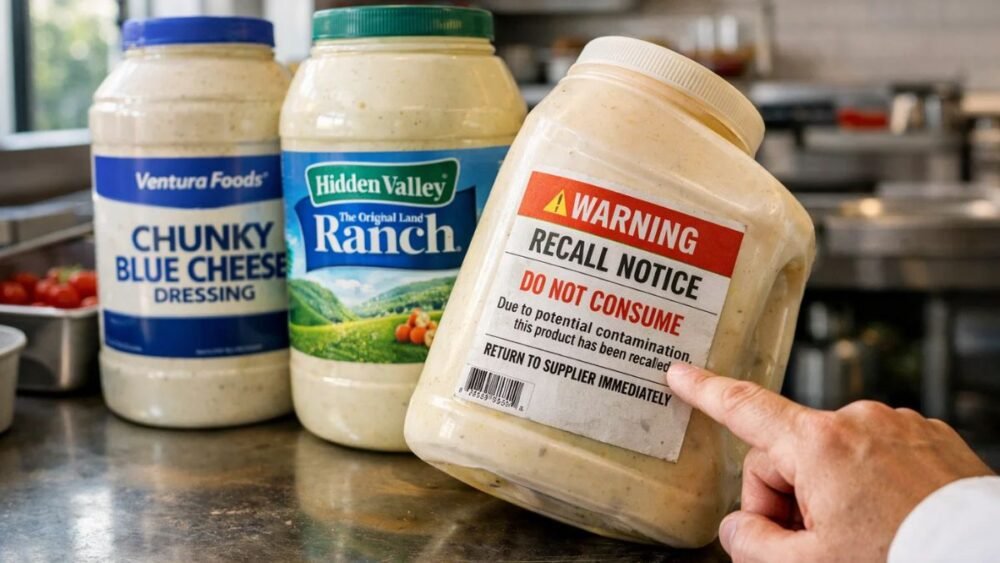
If you’ve recently grabbed a salad dressing from a restaurant or Costco, you might want to double-check. Ventura Foods, a major California-based food manufacturer, has issued a voluntary recall that’s causing a stir across kitchens and food service counters in the U.S. The reason? Bits of black plastic from planting materials were discovered in one of the key ingredients — granulated onion — used in several of their popular dressings.
Jump To
How It All Started
The FDA first caught wind of the contamination in early November during routine inspections. Ventura Foods quickly moved to alert its customers, and by November 6, 2025, the company had initiated a voluntary recall. Experts say this kind of fast response is crucial. Even though no serious injuries have been reported, the FDA classified the recall as Class II on December 4, 2025 — a signal that while the risk of severe harm is low, consumption could still cause temporary health issues.

I found it interesting that the contaminated ingredient had slipped through several safety checks before being flagged. It’s a reminder of how complex the food supply chain really is, and why traceability is more than just a buzzword for manufacturers.
Which Products Are Affected
Not every bottle of ranch in the store is on the hook. The recall primarily hits food service products — large containers typically used in restaurants, delis, and wholesale clubs. Some of the affected dressings include:
- Italian Salad Dressing
- Creamy Poblano Avocado Ranch Dressing and Dip
- Ventura Caesar Dressing
- Pepper Mill Regal Caesar Dressing
- Pepper Mill Creamy Caesar Dressing
- Caesar Dressing served in Costco Service Deli and Costco Food Court
- Hidden Valley Buttermilk Ranch (1-gallon food service size)
If you’re a home cook picking up a retail-size bottle of Hidden Valley Ranch, don’t panic — those products aren’t included in this recall. For a broader view of similar food alerts, check out this roundup of salad dressing recalls.
Where These Dressings Ended Up
Ventura Foods’ distribution network is enormous. At least seven retail customers across 42 locations in 27 U.S. states — plus one in Costa Rica — received the tainted dressings. States on the list include Texas, Florida, Illinois, Ohio, Pennsylvania, Minnesota, and Colorado.
Major retailers like Costco and Publix were among the outlets receiving the contaminated products. Costco was proactive, issuing an early notice advising customers to avoid certain food court items like Caesar Salad and the Chicken Sandwich with Caesar Salad if purchased between October 17 and November 9, 2025.
For more coverage on retail recalls, including milk and dairy alerts, you might explore Horizon Organic Milk Recall and Prairie Farms Milk Recall.
What Class II Really Means
A Class II recall is a middle-ground alert. According to FDA definitions, it’s issued when a product may cause temporary or medically reversible health effects, but the chance of serious outcomes is low. So yes, you should take this seriously — but there’s no need to panic. For context, Class I recalls are the most urgent, often linked to life-threatening hazards, while Class III recalls are the least severe.
Nutritionists note that the biggest risk is accidental ingestion, especially in pre-prepared foods where consumers might not see the dressing’s label.
Action Steps for Consumers and Businesses

If you’re holding any of the recalled products:
Consumers:
- Stop using it immediately.
- Check SKU numbers and sell-by dates.
- Return affected products to the store for a refund, or dispose of them safely.
Food Service Operators:
- Review your inventory thoroughly.
- Isolate any matching SKUs.
- Contact your supplier or distributor for guidance.
This is similar to best practices observed in other recent recalls, like Boar’s Head products and coffee creamer recalls.
Why This Matters
Food recalls like this one underline a key point: ingredient traceability isn’t optional. Experts say that robust tracking systems allow companies to act quickly, limiting consumer exposure and maintaining public trust. When contamination occurs, time is of the essence — from manufacturer to FDA oversight, to store shelves.
Looking Ahead
Ventura Foods and the FDA continue to monitor the situation. If new risks or additional batches surface, updates will be issued promptly. Meanwhile, the FDA’s official recalls page remains the go-to source for verified information.
For anyone interested in the broader landscape of food recalls, you can check related alerts such as Shrimp Recall 2025 and Two Popular Candy Bars Recalled.
Are all Hidden Valley Ranch products affected?
No, only the 1-gallon food service size is recalled. Retail bottles sold in grocery stores are not affected.
How can I tell if my dressing is part of the recall?
Check the SKU number and sell-by date against the recall notice. If they match, stop using it immediately and return it to the place of purchase.
What does FDA Class II recall mean?
It means the product could cause temporary or medically reversible health effects, but serious outcomes are unlikely.
Who should contact Ventura Foods directly?
Commercial buyers or anyone unsure whether a product in their inventory is affected should reach out to the company for guidance.
If you enjoyed this article, don’t forget to follow and subscribe for more health tools, recipes, and news!
Sources
- U.S. Food and Drug Administration (FDA) – Recalls, Market Withdrawals, and Safety Alerts
https://www.fda.gov/recalls - Ventura Foods Official Recall Announcement – Ventura Foods LLC press release, November 2025.
- FDA Recall Classification Guidance – U.S. Food and Drug Administration.

Muhammad Ahtsham is the founder of EatLikeFit.com and a nutrition researcher dedicated to healthy weight management. He provides practical, science-backed advice on high-protein diets and affordable meal planning to help readers achieve their fitness goals simply and effectively.