
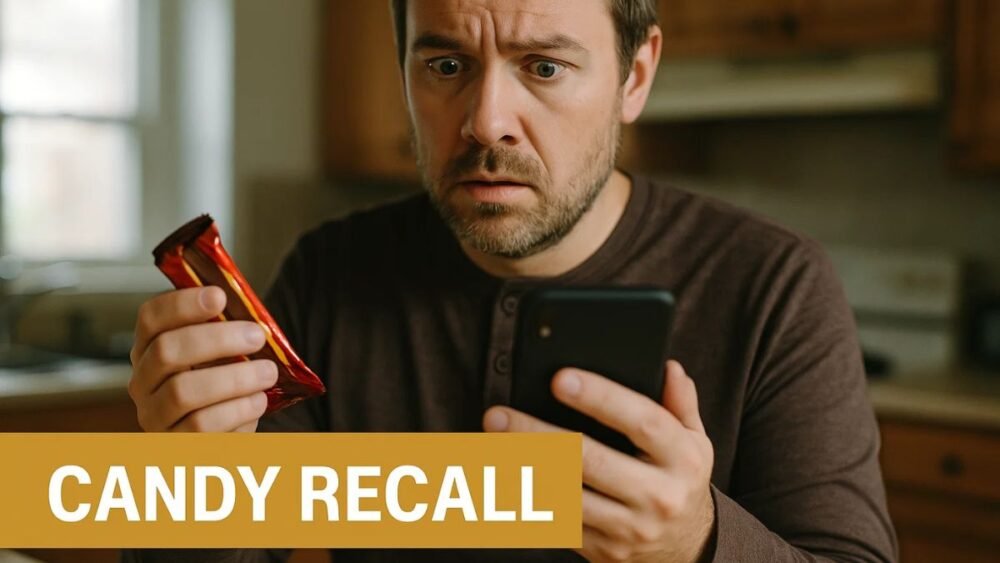
Yes. Two widely sold candy bars were voluntarily recalled after a packaging error may have left undeclared peanuts or tree-nut ingredients in some packs. If you or someone in your household has a nut allergy, stop eating the product, check the wrapper for the lot code and date, and follow the manufacturer’s return or refund instructions.
Jump To
How this happened — a production mix-up with real consequences
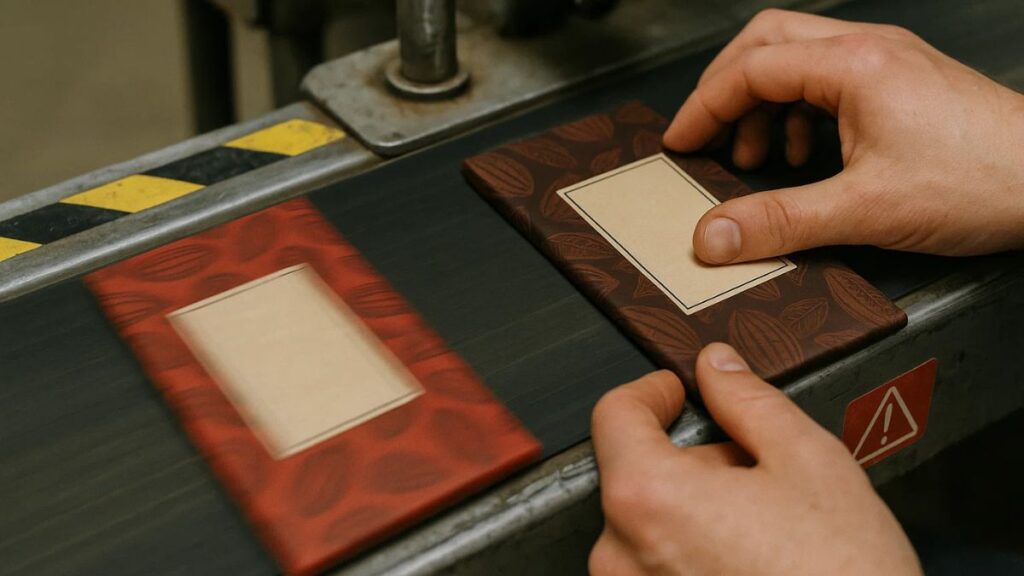
It was an ordinary morning on the production floor when a line operator noticed boxes moving a beat out of sync. Small mistake. Big risk.
A mid-sized confectioner discovered that during a recent run, labels intended for one bar were mistakenly applied to the other. That sounds fiddly — because it is — but the result is anything but small: cross-contact between peanut and cashew ingredients in packs that now read the wrong label. The company called an internal audit, pulled the suspect lots, and issued a voluntary recall.
You’ll see this kind of recall language all the time — it’s precautionary — but for people with severe allergies, “precautionary” is a life-or-death word. I talked with a parent who keeps epinephrine in every bag. She called the recall “a reminder that vigilance has to be constant,” and she’s right.
Early on, when reporters asked whether this recall was part of a broader trend, it was helpful to think about other brand-wide problems — even big beverage makers face this (see recent Coca-Cola recalls for an example of how wide-reaching a recall story can be). recent Coca-Cola recalls
Who’s affected and how to check your candy
Look at the wrapper. Slow down. The details matter.
- Product name on the wrapper.
- Lot or batch code and “best by” date (usually printed near the seam).
- Compare the code to the manufacturer’s recall notice.
If your pack matches the recalled lot, don’t taste it to “see if it’s okay.” Don’t. Return it for a refund or replacement; the manufacturer’s customer service page will have instructions. Most companies will give a full refund or exchange when you bring the product back or provide proof of purchase.
If you’ve already tossed the wrapper, keep your receipt if you can, or call customer service with the store name and purchase date. It’s clumsy, but it usually works.
The health risk — why even a crumb matters
Even trace amounts of an allergen can spark dramatic reactions: hives, throat tightness, difficulty breathing, collapse. For someone with a strong allergy, peanuts or tree nuts are not an “if” — they’re a very immediate danger.
Public health officials say there have been no widespread illnesses reported so far. Still, authorities urge caution. If anyone has symptoms after eating a recalled bar, use prescribed epinephrine immediately and call emergency services.
For readers who want a deeper primer on contamination and outbreak patterns, see this primer about salmonella and egg recalls — it’s a good example of how contamination risks play out across food categories. salmonella outbreak & recalls
Where the recall reached — states, stores, and the supply chain
The recall covers specific production lots distributed across multiple states. Retailers were alerted and asked to pull affected products off shelves. If your local grocery still has a display, call them; sometimes paperwork lags and a product will remain on the floor.
This is also a reminder that recalls aren’t only about novelty candies. Pantry staples and everyday items get pulled, too — remember the recent FDA ground-cinnamon recall that showed how packaging or processing errors can reach shelf staples.
And for fruit-based snacks or candy-adjacent products, similar problems happen: think of products marketed for kids or lunchboxes — see the Tru Fru product recall
What stores and the company are doing
The company says it halted the affected production line, launched a root-cause investigation, and told distributors to remove the recalled lots. Retailers have been instructed to offer refunds to anyone who brings in the product.
The message from stores is simple and blunt: if you or your family has a nut allergy, don’t “test it.” That’s the line you’ll hear from pharmacy counters and grocers alike.
Step-by-step: what you should do now
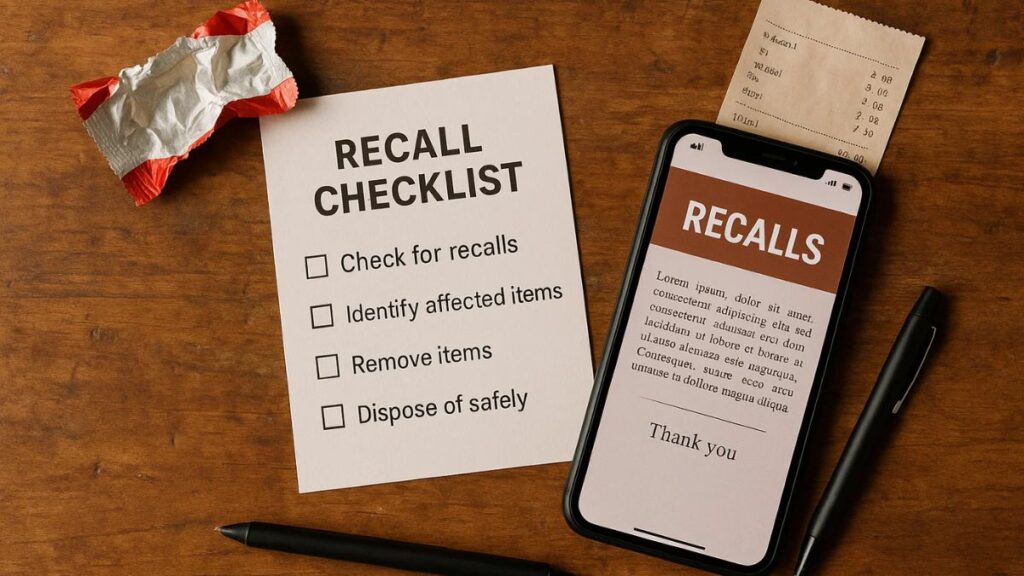
- Inspect any full-size candy bar wrappers you have at home.
- Match lot codes and dates to the manufacturer’s recall notice.
- Don’t eat bars from the recalled lots. Return or request a refund.
- If exposure occurs and symptoms appear — use epinephrine (if available) and seek emergency care.
- Report adverse reactions to local health authorities.
Want official sources? The FDA recall database and the CDC food safety guidance are the places public health pros and reporters check. FDA recall database | CDC food safety tips
If you’d like an example of how a recall can reach grocery staples, here’s a recent nationwide grocery recall to compare: nationwide creamer recall
Quick facts for anxious parents and schools
- Even tiny crumbs can trigger anaphylaxis.
- Most allergen recalls are voluntary and start with internal discovery.
- If your child has a documented allergy, always carry an action plan and epinephrine.
For practical tips on what to do at home — how to check jars, labels, and closed pantry items — this food safety checklist is a helpful how-to. food safety checklist
If you enjoyed this article, don’t forget to follow and subscribe for more health tools, recipes, and news!

Muhammad Ahtsham is the founder of EatLikeFit.com and a nutrition researcher dedicated to healthy weight management. He provides practical, science-backed advice on high-protein diets and affordable meal planning to help readers achieve their fitness goals simply and effectively.