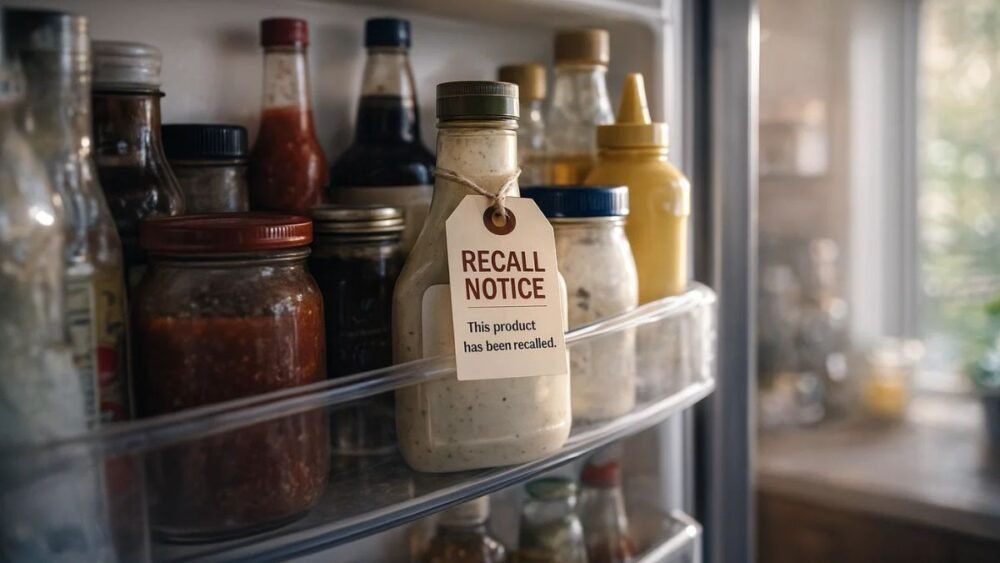
I’ll be honest — salad dressing isn’t usually the thing that makes people nervous in their own kitchens. It sits quietly in the fridge door, used a little at a time, often forgotten. That’s exactly why this latest salad dressing recall is catching attention.
Food safety officials are asking shoppers to pause, open their refrigerators, and double-check labels after certain salad dressing products were pulled from circulation. No serious injuries have been publicly confirmed so far, but experts say recalls like this are meant to stop problems before they reach that point.
And yes, this is one of those moments where a quick check today can save you a bigger headache later.
Jump To
Why the Salad Dressing Recall Happened
Most food recalls don’t begin with people getting sick. They usually start much earlier — during routine inspections, quality checks, or internal reviews that catch something slightly off.
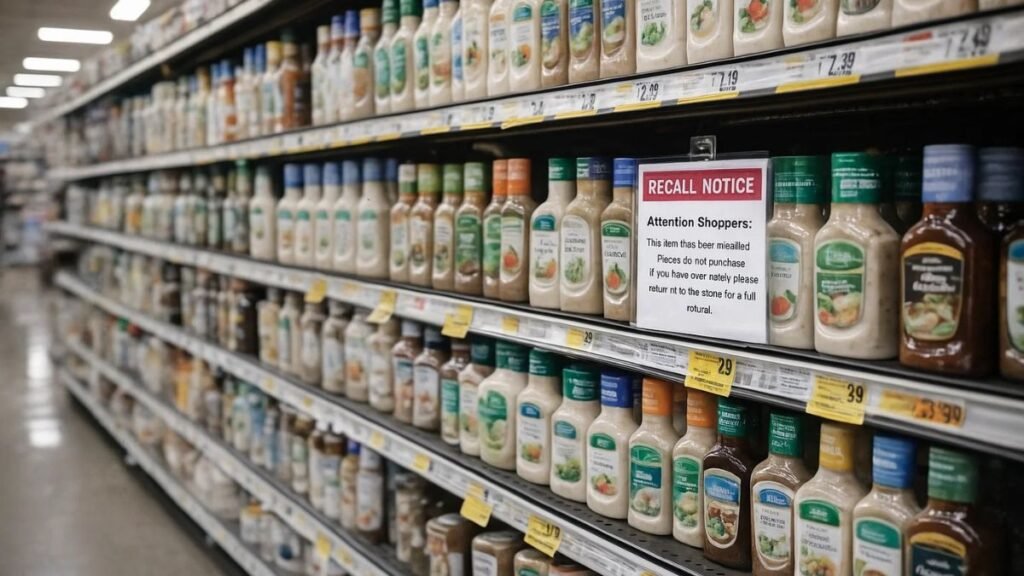
In this case, regulators flagged potential safety concerns tied to specific salad dressing products. While officials haven’t reported widespread illness, food safety experts say that early action is exactly how recalls are supposed to work.
Common reasons behind recalls like this include:
- Possible bacterial contamination
- Undeclared allergens such as milk, soy, eggs, or nuts
- Packaging problems that could affect freshness or safety
- Labeling errors that may mislead consumers
Nutritionists often point out that allergen-related recalls can be especially dangerous because the product may look and smell completely normal. There’s no obvious warning sign.
If this sounds familiar, it’s because similar situations have unfolded recently with other everyday foods — including a nationwide coffee creamer recall that also stemmed from labeling concerns and quality issues.
Which Salad Dressing Products Could Be Affected
Recall details can change quickly, but salad dressings tend to have wide distribution. Many are sold nationwide through grocery chains, warehouse clubs, and online retailers.
Affected items may include:
- Refrigerated or shelf-stable salad dressings
- Bottles, jars, or squeeze containers
- Specific lot numbers or expiration dates
That’s why experts recommend checking every bottle, not just the one you use most often.
How to Tell If Your Salad Dressing Is Recalled
This part matters, and it only takes a minute.
You’ll want to check:
- The brand name and product label
- Lot or batch codes (often near the cap or bottom)
- “Best by” or expiration dates
If your bottle matches the recall notice, don’t taste it — even out of curiosity. Food safety specialists stress that contaminated products don’t always show visible spoilage.
The same advice has applied to recent alerts involving spices and pantry staples, including the FDA’s ground cinnamon recall, where affected products looked completely normal on store shelves.
Possible Health Risks to Know About
The actual risk depends on what triggered the recall. In cases involving bacteria, symptoms can show up within hours or sometimes days.
Reported symptoms linked to foodborne illness often include:
- Nausea or vomiting
- Diarrhea
- Stomach cramps
- Fever
Doctors note that some groups are more vulnerable to complications, including older adults, young children, pregnant individuals, and people with weakened immune systems.
If you’ve already consumed a recalled product and don’t feel well, medical experts recommend contacting a healthcare provider rather than waiting it out.
What Shoppers Should Do Immediately
Food safety professionals are consistent on this point: once a recall is announced, action should be quick and simple.
Here’s what experts recommend:
- Stop using the product right away
- Do not open or taste it
- Dispose of it in a sealed bag or
- Return it to the store for a refund, if advised
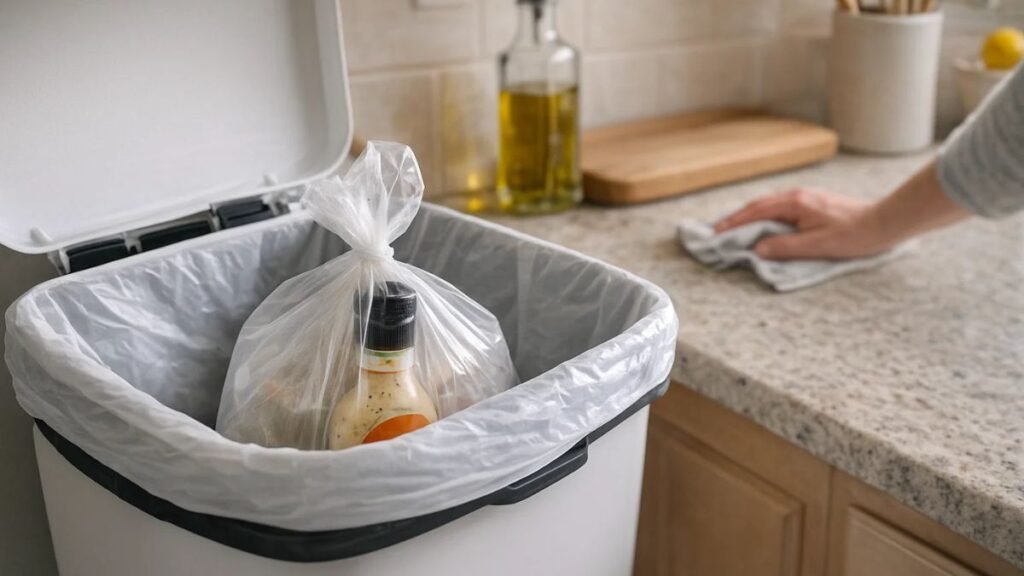
Many retailers issue refunds for recalled items even without a receipt. If the bottle has leaked or been opened, clean nearby surfaces with hot, soapy water to avoid cross-contamination.
This same approach was recommended during the recent egg recall tied to a salmonella outbreak, where fast cleanup helped reduce household risk.
How People Usually Learn About Food Recalls
Most shoppers don’t wake up checking recall lists — and that’s understandable.
Recalls are typically shared through:
- FDA or manufacturer announcements
- Retailer emails and loyalty program alerts
- News coverage and Google Discover
- In-store signage
The problem, experts say, is that not every recall gets big headlines. That’s why food safety advocates suggest occasionally checking official recall databases or following trusted health outlets.
Why Salad Dressing Recalls Matter More Than You Think
Salad dressing is the kind of product that sticks around. One bottle might last months, quietly reused meal after meal.
That long shelf life increases the chance of repeated exposure if a recall goes unnoticed. Even small labeling errors — especially involving allergens — can be serious for certain consumers.
Food safety researchers consistently emphasize that consumer awareness plays a major role in preventing illness. A recall only works if people actually hear about it and act.
Related: Two Popular Candy Bars Recalled — Are Your Favorites Affected?
How to Stay Ahead of Future Recalls
You don’t need to obsess over food safety, but a few small habits can make a difference:
- Sign up for FDA food recall alerts
- Pay attention to store notices at checkout
- Follow trusted food safety or health news sources
- Keep an eye on Google Discover updates
Experts say informed shoppers are one of the strongest defenses against foodborne illness.
The Bottom Line
This salad dressing recall is a reminder that food safety doesn’t stop at the store. It continues at home — in your fridge, on your shelves, and at the dinner table.
If you have salad dressing on hand, take a moment today to check the label. It’s a small step, but one that helps protect you and the people you cook for.
What should I do if I bought a recalled salad dressing?
Stop using it immediately and follow disposal or return instructions listed in the recall notice.
How can I tell if my salad dressing is affected?
Check the brand name, lot code, and expiration date against official recall details.
Are there health risks linked to recalled salad dressings?
Potential risks vary but may include foodborne illness or allergic reactions, depending on the issue.
If you enjoyed this article, don’t forget to follow and subscribe for more health tools, recipes, and news!
Sources
- U.S. Food and Drug Administration (FDA) — Food Recall & Safety Alerts
Official federal updates on food recalls, contamination risks, labeling errors, and consumer guidance.
https://www.fda.gov/food/recalls-outbreaks-emergencies - Centers for Disease Control and Prevention (CDC) — Foodborne Illness Symptoms & Prevention
Medical and public health information on foodborne bacteria, common symptoms, and when to seek care.
https://www.cdc.gov/foodsafety

Muhammad Ahtsham is the founder of EatLikeFit.com and a nutrition researcher dedicated to healthy weight management. He provides practical, science-backed advice on high-protein diets and affordable meal planning to help readers achieve their fitness goals simply and effectively.