

Is eating oats on an empty stomach safe — and should you be doing it every morning? For millions who reach for a steaming bowl at dawn, the question is more than curiosity: it’s about how you start your day, how your blood sugar behaves, and whether that breakfast will leave you energized or bloated. Experts say the short answer is yes for most people — with a few important caveats.
Jump To
What makes oats different from other carbs?
Oats contain a soluble fiber called beta-glucan. In plain language: it turns into a gel in your gut, slows digestion and can blunt the blood-sugar spike that comes after a meal. That’s why researchers and nutrition authorities frequently point to oats as a smart breakfast for steady energy and heart health. In studies and reviews, oat beta-glucan consistently reduces post-meal glucose peaks and contributes to lower LDL cholesterol when eaten regularly.
Related: Foods That Lower Cortisol and Blast Belly Fat
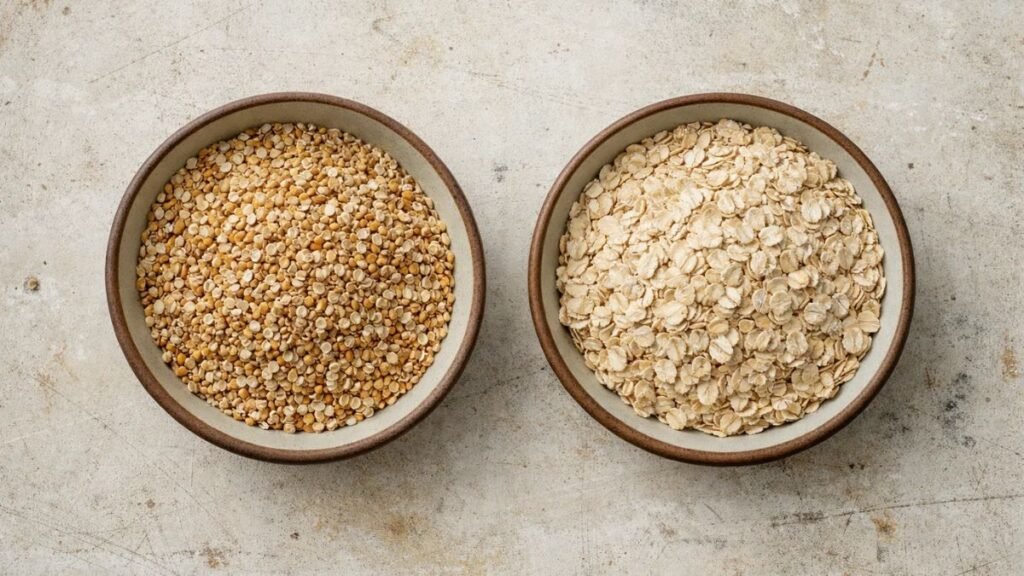
Will oats on an empty stomach keep you full — or make you uncomfortable?
For many people, a bowl of cooked oats first thing provides lasting satiety. The gel-forming fiber delays gastric emptying and signals fullness, which helps prevent mid-morning cravings. If weight control or avoiding energy crashes is your priority, that’s a real plus.
But not everyone sails through untroubled. Some people — especially those who don’t usually eat high-fiber foods or who have sensitive digestion — report bloating, gas or mild stomach discomfort after eating oats, particularly if they’re eaten dry or undercooked. Registered dietitians advise easing in with small portions and making oats easier to digest by cooking them thoroughly or soaking overnight.
Do all oats behave the same?
Not exactly. The processing level matters. Steel-cut and old-fashioned rolled oats are less processed, digest more slowly, and generally deliver steadier energy. Instant oats, which are often finer and sometimes packaged with sugar, can raise blood glucose more quickly — especially when eaten alone without protein or fat. If you care about blood-sugar control or long-lasting fullness, choose minimally processed oats and read labels.
Should you pair oats with protein or fat?
Most nutrition experts recommend it. Adding a source of protein or healthy fat — think yogurt, milk, nuts, seeds, or a scoop of nut butter — smooths blood-sugar responses and extends satiety. It also turns a carbohydrate-heavy bowl into a balanced meal that better supports energy and appetite control throughout the morning. If you want practical: try overnight oats with Greek yogurt and chia seeds or rolled oats cooked with milk and a spoonful of almond butter.
Related: Foods That Reduce Bloating
Are there people who should avoid oats on an empty stomach?
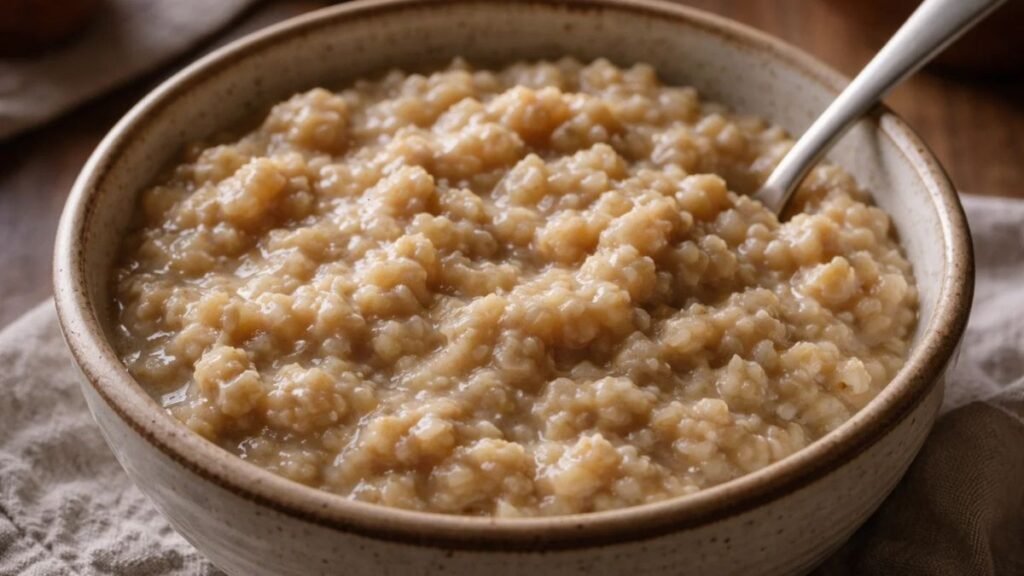
Yes. People with celiac disease or strong gluten sensitivity must use certified gluten-free oats because cross-contamination can occur. Anyone who consistently experiences bloating or GI upset after oats should consult a clinician — the cause could be IBS, a high-FODMAP reaction, or another issue that benefits from personalized guidance. Health services note that oats can actually help many with IBS, but individual tolerance varies, and some people do better with modified portions or preparation methods.
Practical guidance you can use tomorrow
If you’re reaching for a bowl right after you wake up, follow a few simple rules: choose steel-cut or rolled oats when possible; cook or soak them well; keep portions reasonable; and add protein or healthy fat. Start small if you’re not used to fiber and pay attention to how your body responds. Experts suggest that most people will find oats a safe, nourishing way to begin the day — but that “most” doesn’t mean “all.”
The bottom line
Oats are one of the most researched and reliable breakfast options for delivering slow energy, supporting heart health and aiding digestion — even on an empty stomach. Research indicates measurable benefits from oat beta-glucan for blood-sugar control and cholesterol, and major health organizations recommend whole grains as part of a balanced diet. Still, listen to your body: if oats leave you uncomfortable, adjust portion size, preparation, or pairings — and check with a healthcare professional if symptoms persist. For most of us, a well-made bowl of oats is a good way to start the day.
Sources & Medical Review
This article is grounded in peer-reviewed nutrition research, expert consensus, and guidance from leading public health and medical institutions to ensure accuracy and editorial integrity.
- Harvard T.H. Chan School of Public Health — Oats and Whole Grain Nutrition
- National Institutes of Health (NIH) — Health Effects of Oat Beta-Glucan
- Mayo Clinic — Whole Grains and Digestive Health
- WebMD — Oats: Uses, Nutrition, and Digestive Effects
- National Health Service (UK) — Diet and Fiber Guidance for Digestive Health
Content is provided for educational purposes and reflects general nutrition guidance. Individual dietary needs and responses may vary.

Muhammad Ahtsham is the founder of EatLikeFit.com and a nutrition researcher dedicated to healthy weight management. He provides practical, science-backed advice on high-protein diets and affordable meal planning to help readers achieve their fitness goals simply and effectively.