
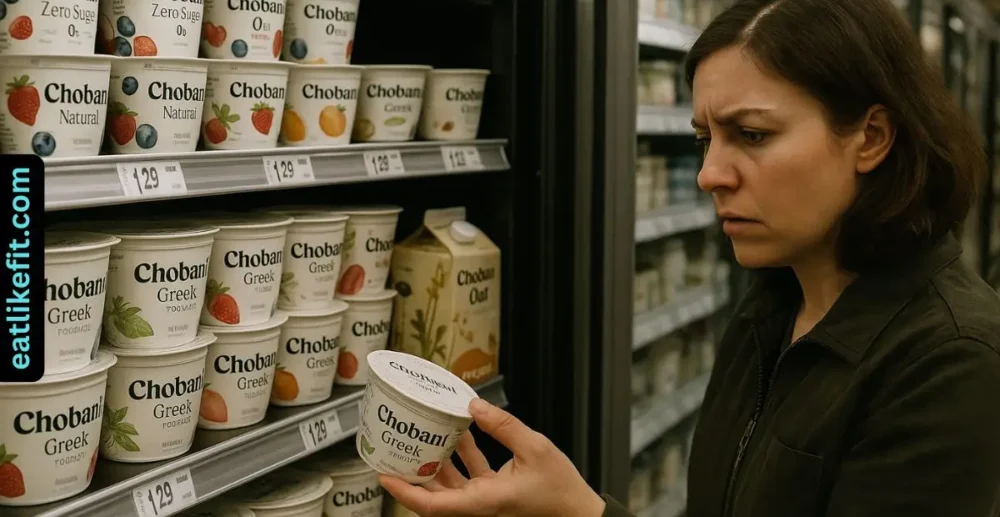
In 2025, Chobani, a household name in the U.S. yogurt and plant-based food market, has come under heightened legal examination. A proposed class-action lawsuit submitted in March accuses the company of presenting a misleading health image to consumers. According to the filing, some Chobani products promoted with terms such as “natural” and “better-for-you” may include lab-derived additives and higher sugar levels than shoppers were led to expect. The legal challenge centers on whether the brand’s labeling and marketing accurately reflect the nutritional reality of the products being sold, raising broader questions about transparency in food advertising.
For shoppers who reach for Chobani in search of wellness, the lawsuit hits close to home.
Jump To
What Sparked the Lawsuit?
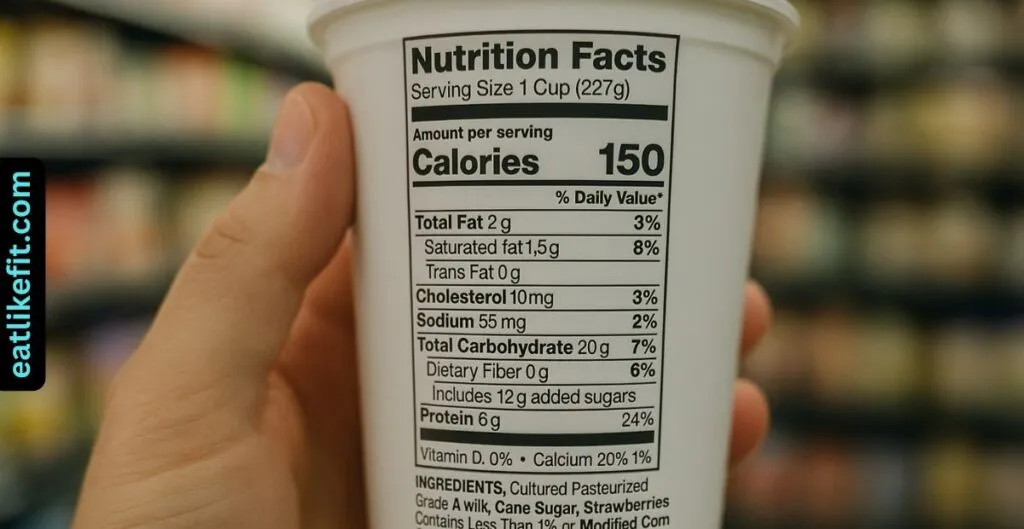
According to court filings from the U.S. District Court in California, the lawsuit zeroes in on claims that Chobani’s product marketing misrepresents nutritional content. The legal challenge, spearheaded by a consumer advocacy group, suggests that some popular product lines—especially Greek Yogurt, Zero Sugar, and Probiotic Drinks—are not as clean-label or low-sugar as advertised.
Key consumer allegations include:
- “Natural” labeling on products with artificial or synthetic additives.
- “Low sugar” claims based on use of alternative sweeteners that may still spike glycemic response.
- “Gut-friendly” and “healthy” terms with no scientific validation.
These types of lawsuits reflect a growing consumer movement demanding truth in food labeling—especially in a market increasingly filled with health buzzwords.
Related News: Ryze Mushroom Coffee Side Effects
Products Named in the Legal Action
Several of Chobani’s top-selling lines are under the legal microscope:
- Chobani Greek Yogurt (all flavors)
- Chobani Zero Sugar products
- Chobani Probiotic Drinks
- Oat-based alternatives, including Chobani Oat Milk and Creamers
Consumers argue that the brand’s front-of-package claims created an impression of nutritional superiority—an impression they say isn’t supported by ingredient labels or current science.
Want to double-check a product? Visit Chobani’s nutrition page and compare it to FDA guidelines or independent nutrition reviews.
Why This Case Matters
More than ever, people rely on quick cues like “low sugar,” “natural,” or “probiotic” when navigating the grocery aisle. These claims can make or break buying decisions, especially for families trying to eat healthier on a tight schedule.
Realted: Horizon Organic Milk Recall
If proven true, this lawsuit could spark wide-reaching changes in how health-focused products are marketed. Food and beverage companies may soon need more rigorous testing—and fewer marketing shortcuts—when labeling products as functional or beneficial.
What Legal Experts Are Saying

Emily Carson, a professor of food law at UCLA, weighed in:
“This lawsuit, like others we’ve seen in recent years, is a direct challenge to vague wellness claims. It might force brands to back up every statement on their packaging—or face real consequences.”
Cases like this often lead to tighter regulations from the FDA and FTC, especially when marketing outpaces science. In the past, similar lawsuits led companies to change labeling or even reformulate their products.
Related News: Coffee Creamer Recalled
What Could Happen Next?
The Chobani lawsuit could result in:
- Monetary settlements for affected consumers
- Changes in labeling across multiple product lines
- New rules for how food marketers promote health benefits
Functional food and beverage companies—especially those selling plant-based, probiotic, or “zero sugar” products—are watching this closely. The ripple effect could reshape the industry.
Chobani’s Official Response
In a formal statement released in August 2025, Chobani denied all claims:
“We stand behind the quality of our products and the transparency of our labels. This lawsuit is without merit, and we intend to defend our brand vigorously.”
The company emphasized that its ingredients and advertising practices are in compliance with federal regulations.
What Should Consumers Do?
Until the case is resolved, here are some steps you can take:
- Read beyond the front label. Look at the ingredients and nutrition facts—not just marketing claims.
- Stay informed. Follow updates via trusted legal sources like Justia or Law360.
- Report concerns. If you believe you’ve been misled by a product’s label, you can file a complaint with the FTC.
This is also a reminder to be a more informed shopper in today’s fast-moving wellness marketplace.
FAQs
What is the Chobani lawsuit about?
Allegedly false advertising related to “natural,” “low sugar,” and “healthy” product claims.
Which products are named in the case?
Greek Yogurt, Zero Sugar line, Oat-Based drinks, and Probiotic offerings.
Is Chobani recalling any products?
No recalls have been announced. This is strictly a labeling dispute.
Can I still safely eat Chobani products?
Yes. The issue is about advertising—not contamination or safety.
Final Thoughts: A Bigger Shift in the Food Industry?
Whether Chobani is found liable or not, this lawsuit sends a clear message: consumers expect honesty on food packaging. The wellness food boom of recent years has encouraged companies to lean heavily on buzzwords—but the courts are now catching up.
In 2025 and beyond, transparency may no longer be optional. And as a shopper, that’s a step in the right direction.
Related News: Wendy’s Wednesday Meal Deal 2025
If you enjoyed this article, don’t forget to follow and subscribe for more health tools, recipes, and news!
Related: FDA Ground Cinnamon Recall

Muhammad Ahtsham is the founder of EatLikeFit.com and a nutrition researcher dedicated to healthy weight management. He provides practical, science-backed advice on high-protein diets and affordable meal planning to help readers achieve their fitness goals simply and effectively.