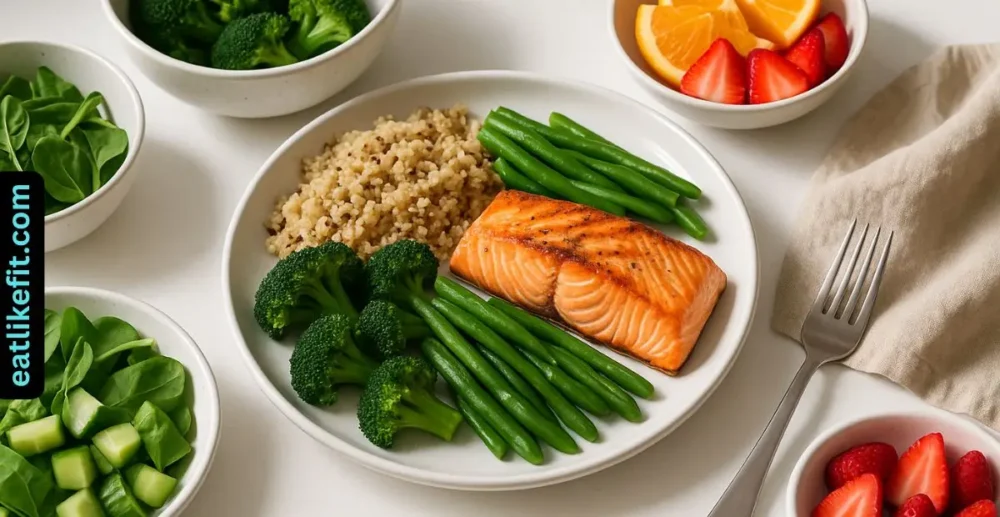

You finally feel less hungry.
That constant food noise? Quieter.
The late-night cravings? Not as loud.
Your portions? Naturally smaller.
If you’re using a GLP-1 medication and wondering, “Okay… now what should I actually eat?” — you’re not alone.
This guide is your complete, practical, real-life roadmap to building a smart, balanced GLP-1 diet plan that supports steady progress, preserves muscle, improves energy, and makes everyday meals feel simple again.
No extremes.
No gimmicks.
Just structured, experience-based nutrition guidance for people using GLP-1 medications.
Important Disclaimer
This article provides general nutrition guidance for people using GLP-1 medications such as Ozempic®, Wegovy®, or Mounjaro®. It is not medical advice. Always consult your licensed healthcare provider before making dietary changes.
Jump To
What Is a GLP-1 Diet Plan?
A GLP-1 diet plan is a high-protein, fiber-focused eating approach designed to complement GLP-1 medications like Ozempic, Wegovy, and Mounjaro.
It emphasizes:
- Lean protein at every meal
- Fiber-rich vegetables
- Low-glycemic carbohydrates
- Healthy fats in controlled portions
- Adequate hydration
The goal? Support satiety, maintain muscle mass, stabilize energy, and make smaller portions nutritionally powerful.
What Is GLP-1 and Why Does Diet Matter?
GLP-1 stands for glucagon-like peptide-1 — a hormone your body naturally produces after eating. It plays a role in:
- Appetite regulation
- Slower stomach emptying
- Blood sugar balance
GLP-1 medications mimic or enhance this hormone’s effects. Many people notice:
- Reduced hunger
- Smaller appetite
- Earlier fullness
- Decreased cravings
But here’s the part most people overlook:
When you’re eating less, what you eat matters more than ever.
If protein is too low, muscle loss becomes a risk.
If fiber is missing, digestion can slow further.
If meals are unbalanced, energy crashes happen.
That’s where a structured eating plan becomes essential.
Who Is This Diet Plan For?
This guide is designed for:
- Adults using GLP-1 medications for weight management
- Individuals wanting structured, higher-satiety meals
- People transitioning from calorie-heavy diets to portion-aware eating
If you’re looking for medication-specific guides, you may also find helpful:
Core Principles of a Smart GLP-1 Diet Plan
Let’s simplify this.
1. Protein Comes First
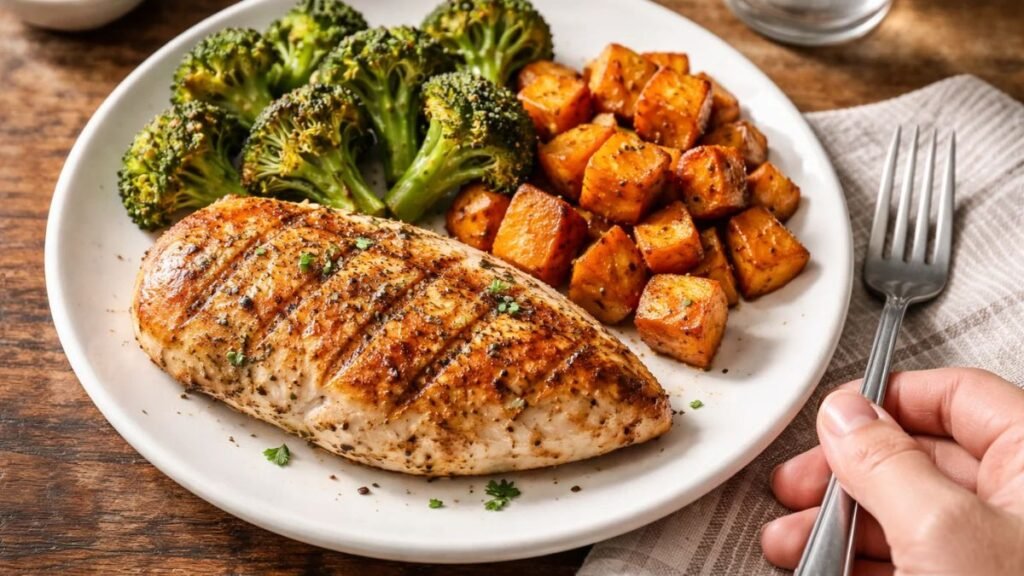
When appetite drops, protein often drops with it. That’s a mistake.
Protein helps:
- Preserve lean muscle
- Improve satiety
- Support steady metabolism
- Reduce hair shedding during weight loss
Aim to include protein at every meal and snack.
Strong Protein Options
- Eggs
- Greek yogurt
- Chicken breast
- Salmon
- Lean turkey
- Tofu
- Cottage cheese
- Protein smoothies
Try adding protein to oatmeal for a smarter breakfast.
Protein is your anchor nutrient. Build meals around it.
2. Fiber First Strategy
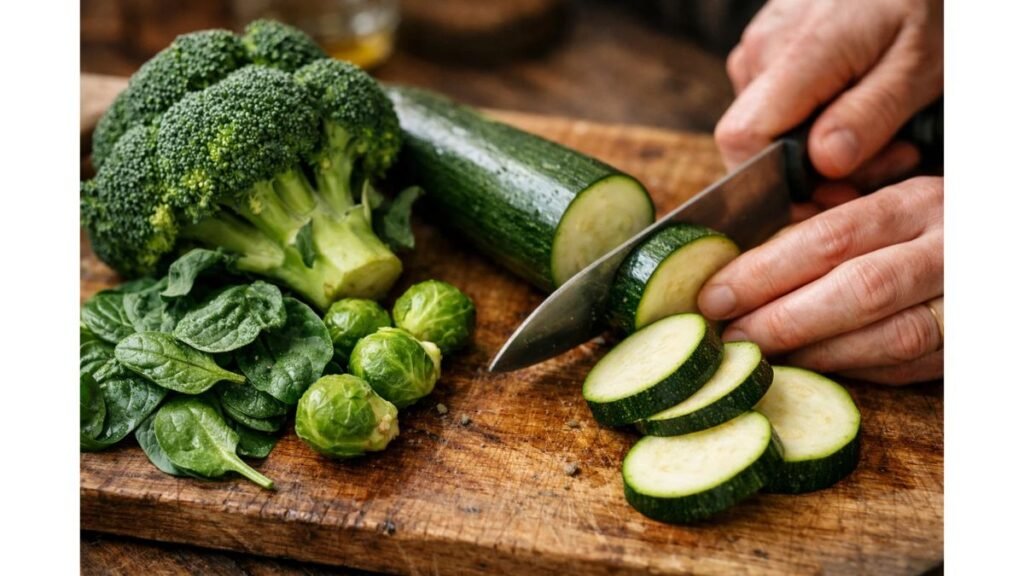
GLP-1 medications slow digestion. Fiber supports gut health and fullness — but it should be added gradually.
Focus on:
- Broccoli
- Spinach
- Brussels sprouts
- Zucchini
- Chia seeds
- Berries
Fiber helps meals feel satisfying without large portions.
Vegetables and fiber improve fullness without excess calories.
3. Choose Low-Glycemic Carbohydrates
Carbs are not forbidden.
But quality matters.
Choose:
- Quinoa
- Sweet potatoes
- Lentils
- Oats
- Brown rice
- Beans
Limit:
- Refined white bread
- Sugary cereals
- Pastries
- Soda
Balanced carbs prevent energy dips and overeating later.
4. Healthy Fats — Controlled, Not Eliminated
Healthy fats improve satiety.
Include:
- Avocado
- Olive oil
- Almonds
- Walnuts
- Nut butters
One practical favorite:
Best Nut for Natural Weight Loss?
But remember — fats are calorie dense. Portion awareness matters.
Foods to Eat on a GLP-1 Diet (Table Overview)
| Category | Best Choices | Why It Helps |
|---|---|---|
| Protein | Chicken, salmon, Greek yogurt, tofu | Preserves muscle, improves fullness |
| Vegetables | Leafy greens, broccoli, zucchini | High fiber, low calorie |
| Carbs | Oats, quinoa, beans, sweet potatoes | Steady energy |
| Fats | Avocado, nuts, olive oil | Satiety support |
| Snacks | Apple + almonds, yogurt, protein shake | Prevents overeating later |
Foods to Limit
Not “never.” Just less often.
- Fried foods
- Sugary beverages
- Highly processed snacks
- Large carb-only meals
- Alcohol in excess
Heavy, greasy meals may feel uncomfortable on GLP-1 medications.
7-Day Sample GLP-1 Meal Plan
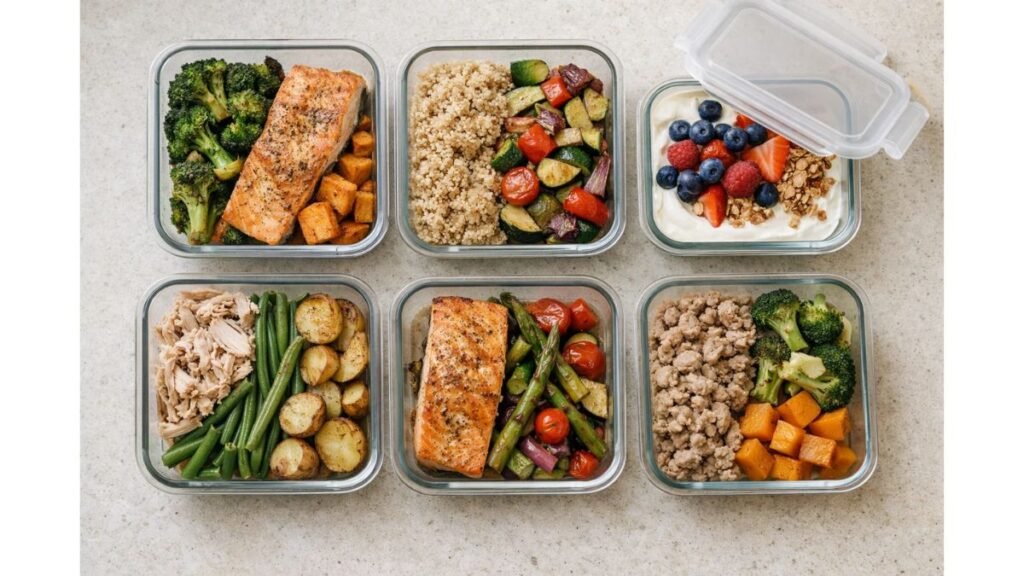
This is a balanced, moderate-calorie framework.
If you prefer a structured calorie model, see:
1700 Calorie Diet Plan: Balanced Meals for Healthy Weight Loss
Day 1
Breakfast: Greek yogurt bowl with berries
Lunch: Grilled chicken salad
Dinner: Salmon + roasted vegetables
Snack: Apple + almonds
Day 2
Breakfast: Veggie omelet
Lunch: Turkey lettuce wraps
Dinner: Tofu stir-fry
Snack: Cottage cheese
Day 3
Breakfast: Protein smoothie
Try: Easy Coffee Protein Smoothie Recipe for Energy & Weight Loss
Lunch: Lentil soup
Dinner: Baked chicken + quinoa
Snack: Peanut butter protein shake
Meal Plan Structure
Each day includes:
- 20–40g protein per meal
- Vegetables at lunch and dinner
- 1 controlled carb portion
- 1 protein-focused snack
Portion Guide: A Simple Visual Method
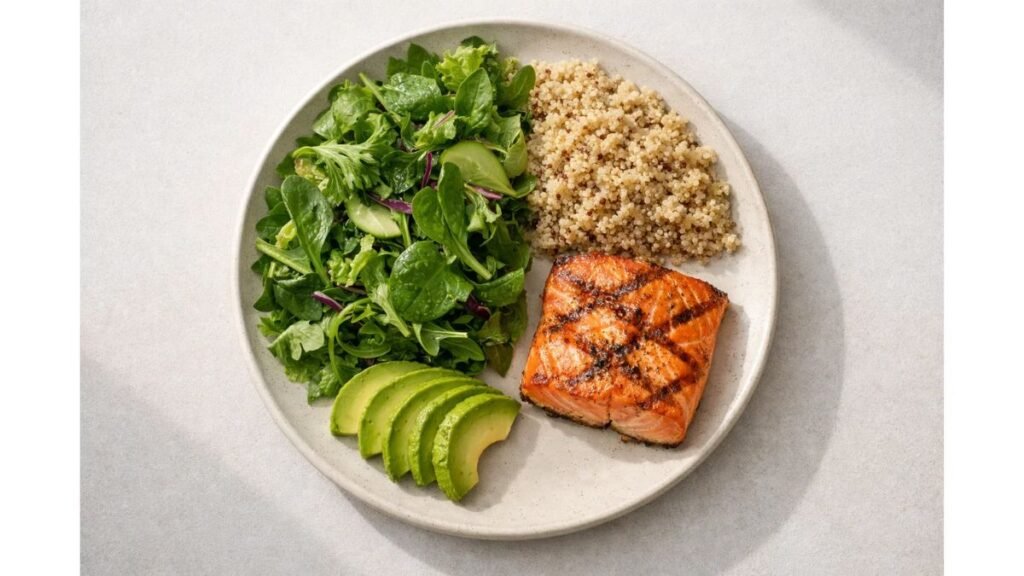
Use the plate method:
- ½ plate non-starchy vegetables
- ¼ plate protein
- ¼ plate low-glycemic carbs
- 1–2 thumb-sized portions healthy fats
Eat slowly. Pause mid-meal. GLP-1 medications amplify fullness signals — give them time to work.
Grocery List for Beginners
Proteins
- Eggs
- Chicken breast
- Salmon
- Greek yogurt
- Tofu
- Cottage cheese
Vegetables
- Spinach
- Broccoli
- Bell peppers
- Zucchini
- Green beans
Carbs
- Oats
- Brown rice
- Sweet potatoes
- Lentils
Healthy Fats
- Almonds
- Chia seeds
- Olive oil
- Avocados
Common Mistakes on a GLP-1 Diet
1. Eating Too Little Protein
This slows progress and risks muscle loss.
2. Not Drinking Enough Water
GLP-1 medications can reduce thirst cues.
3. Skipping Meals Entirely
Leads to energy crashes and rebound hunger.
4. Over-restricting Carbs
Backfires later.
5. Ignoring Strength Training
Muscle maintenance matters.
Expert-Level Strategies Most Beginners Miss
1. Front-Load Protein
Breakfast protein improves appetite control all day.
2. Pre-Plan Light, Digestible Dinners
Heavy meals may feel uncomfortable.
3. Keep Emergency Protein Snacks
Greek yogurt. Cottage cheese. Protein shake.
4. Monitor Progress Realistically
If you’re curious about timelines:
How Fast Does Semaglutide Work for Weight Loss?
Special Considerations
Different life stages require nuance:
Menopause support →
Free Menopause Diet Plan PDF: Expert Guide for Weight & Wellness
PCOS nutrition →
7-Day PCOS Diet Plan PDF: Hormone Balance & Weight Loss
Post-hysterectomy considerations →
Best Supplements for Weight Loss After Hysterectomy in 2025
These plans can be adapted alongside GLP-1 use under professional supervision.
FAQs
Can I eat fruit on a GLP-1 diet?
Yes. Choose whole fruit over juice. Pair with protein to improve satiety.
How many carbs should I eat?
Carbohydrate needs vary. Focus on quality and portion balance rather than elimination.
Is dairy allowed?
Yes, especially high-protein options like Greek yogurt and cottage cheese.
Can I eat carbs at night?
Yes, if balanced with protein and vegetables.
Final Thoughts
A GLP-1 diet plan isn’t about eating less.
It’s about eating smarter.
When appetite shrinks, nutrient density must rise.
When portions shrink, protein must anchor every plate.
When progress slows, consistency matters more than perfection.
Sustainable change happens when structure meets patience.
Sources & References
- U.S. Food & Drug Administration (FDA) – Drugs@FDA Database https://www.accessdata.fda.gov/scripts/cder/daf/
- National Institute of Diabetes and Digestive and Kidney Diseases (NIDDK) – Prescription Medications for Weight Management https://www.niddk.nih.gov/health-information/weight-management/prescription-medications-treat-overweight-obesity
- Centers for Disease Control and Prevention (CDC) – Healthy Weight https://www.cdc.gov/healthyweight/index.html
- Harvard T.H. Chan School of Public Health – The Nutrition Source https://www.hsph.harvard.edu/nutritionsource/
- National Institutes of Health (NIH) – Office of Dietary Supplements https://ods.od.nih.gov/

Muhammad Ahtsham is the founder of EatLikeFit.com and a nutrition researcher dedicated to healthy weight management. He provides practical, science-backed advice on high-protein diets and affordable meal planning to help readers achieve their fitness goals simply and effectively.