

It happens to the best of us. The afternoon slump hits around 2 PM, your eyes get heavy, your thoughts start drifting, and you reach for another cup of coffee — only to end up jittery, anxious, and wide awake at midnight wondering why sleep feels impossible.
What if there were a smarter way to fuel your energy? One that doesn’t leave you crashing an hour later or wired past your bedtime?
Tea has been doing exactly that for thousands of years. Long before energy drinks existed, ancient cultures were sipping their way to alertness and mental clarity with carefully chosen leaves, roots, and herbs. And science is now catching up to what tea drinkers have always known — the right cup of tea doesn’t just wake you up; it supports your metabolism, balances your mood, and keeps your focus sharp without the cortisol spike that coffee can trigger.
Jump To
7 Best Teas for Energy Boost
1. Matcha – The King of Sustained Energy
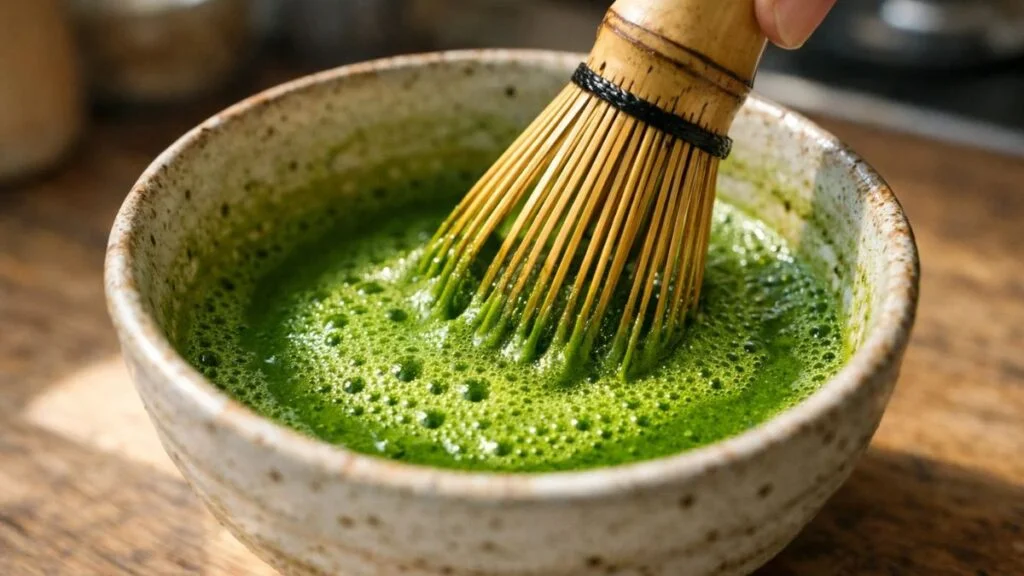
If you want the strongest natural energy tea without feeling wired, matcha is hard to beat.
Unlike regular green tea, you consume the entire powdered leaf. That means:
- Higher caffeine content
- More antioxidants
- More L-theanine
Why it works:
L-theanine slows caffeine absorption, reducing the typical energy crash and helping support steady focus and stress control. Many people describe matcha for sustained energy as “calm alertness.”
Matcha Caffeine Content
One cup of matcha contains about 60–80 mg of caffeine depending on strength — comparable to a light coffee but smoother.
Matcha vs Coffee Energy
- Coffee hits fast, drops fast
- Matcha rises slower, lasts longer
If you want the best tea for energy and focus at work, ceremonial grade matcha is a powerful option.
Best for sustained energy, productivity, and mental clarity.
2. Green Tea – Balanced and Clean Energy
Green tea for energy is ideal if you want something lighter.
It contains:
- 20–45 mg caffeine per cup
- L-theanine
- High levels of catechins
Does green tea give energy?
Yes — but gently.
It’s an excellent morning tea for energy if you’re caffeine sensitive or trying to reduce coffee intake.
Green Tea vs Black Tea Energy
Green tea provides smoother, lighter stimulation. Black tea hits stronger and faster.
If you’re pairing tea with a high-protein breakfast like this high-protein yogurt bowl, green tea complements it beautifully without overpowering your system.
Best for light, clean, sustainable energy without jitters.
3. Black Tea – The Strongest Traditional Energy Tea
If you want a real caffeine tea for energy, black tea is your classic answer.
Black Tea Caffeine Content
40–70 mg per cup.
Popular varieties like English Breakfast deliver robust stimulation and improved alertness.
Black Tea vs Coffee Caffeine
Coffee: ~95 mg
Black tea: ~50 mg
Less intense. Less crash.
Many people transitioning from coffee start here. It’s often considered the strongest tea for energy among traditional teas.
Best for a noticeable morning boost with less crash than coffee.
4. Ginseng Tea – Herbal Power for Fatigue
Looking for the best tea for energy without caffeine?
Ginseng tea benefits include:
- Reduced fatigue
- Stress support
- Improved endurance
Ginseng acts as an adaptogen, helping regulate cortisol levels and support natural energy systems.
This makes it one of the best tea options for chronic fatigue support (alongside medical guidance).
Best caffeine-free option for long-term fatigue support.
5. Peppermint Tea – Mental Clarity Without Caffeine
Peppermint tea for energy doesn’t contain caffeine. But it stimulates through scent and improved circulation.
It’s ideal for:
- Afternoon slump
- Mental clarity
- Hydration and energy support
This is also great if you’re pairing it with light snacks like cookie dough protein balls for steady fuel.
Best caffeine-free clarity booster.
6. Ginger Tea – Natural Circulation Booster
Ginger tea for fatigue works by improving circulation and digestion.
Better digestion = better nutrient absorption = better energy.
It’s especially helpful:
- During cold season
- For low metabolism support
- When feeling sluggish
Best for sluggish digestion and low-energy days.
7. Yerba Mate – Strong Natural Stimulant
Yerba mate is technically not traditional tea, but it’s one of the most energizing herbal drinks in the world.
It contains:
- 70–80 mg caffeine
- Theobromine (also found in cocoa)
- Antioxidants
Often called a “clean coffee alternative,” it’s one of the best natural tea for energy boost options if you want strong performance support.
Best for gym energy and performance.
Tea vs Coffee for Energy
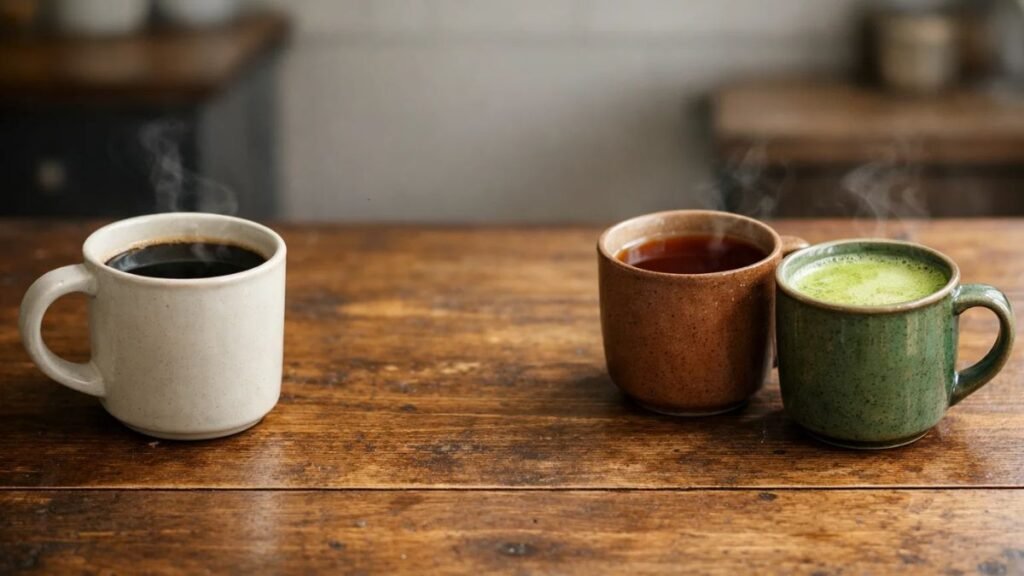
| Beverage | Avg. Caffeine | Energy Style | Crash Risk | Focus Quality |
|---|---|---|---|---|
| Coffee | 95 mg | Fast spike | High | Intense |
| Matcha | 70 mg | Sustained | Low | Calm & sharp |
| Black Tea | 50 mg | Moderate | Medium | Clear |
| Green Tea | 30 mg | Gentle | Low | Balanced |
| Herbal Tea | 0 mg | Indirect | None | Mild clarity |
How much caffeine in tea?
Anywhere from 0–80 mg depending on type.
Many people searching for the best tea instead of coffee choose matcha or black tea first.
Best Tea for Energy Without Caffeine

If you’re sensitive to caffeine, try:
- Ginseng tea
- Peppermint tea
- Ginger tea
- Rooibos
Rooibos contains antioxidants but zero caffeine.
These options support:
- Blood sugar balance
- Stress control
- Hydration
- Reduced energy crash
Best Tea for Energy and Weight Loss
Certain teas may support metabolism through antioxidants and thermogenesis.
Green tea and matcha contain catechins that may assist fat oxidation when paired with proper diet.
If your goal is weight management, combine tea with balanced meals like those in this dietitian-approved weight loss breakfast foods guide:
Or consider structured plans like the 1700 calorie diet plan:
Tea alone won’t create weight loss — but it can support metabolism and reduce sugary drink cravings.
How Tea Boosts Energy Naturally
Tea improves energy through multiple pathways:
1. Caffeine (Natural Stimulant)
Blocks adenosine (sleep chemical).
2. L-Theanine Benefits
Improves focus and reduces anxiety.
3. Antioxidants
Support cellular health and reduce oxidative stress.
4. Hydration and Energy
Even mild dehydration causes fatigue. Tea contributes to fluid intake.
5. Blood Sugar Balance
Unsweetened tea avoids glucose spikes that cause crashes.
This combination makes tea for focus and energy a powerful daily tool.
How to Choose the Right Energy Tea

Morning Boost Needed?
Choose black tea or matcha.
Long Work Focus?
Choose matcha or green tea.
Gym Energy?
Try yerba mate.
Avoiding Caffeine?
Pick ginseng or peppermint.
Chronic Fatigue?
Combine caffeine-free herbal options with medical guidance.
Pair your tea with protein-rich foods like this coffee protein smoothie recipe or learn how to add protein to oatmeal to avoid crashes.
Energy is never just about caffeine. It’s about balanced fueling.
Smart Tools to Support Your Energy Goals
If you’re optimizing your daily nutrition, these tools help:
BMI Calculator
Understand if weight changes may be affecting fatigue.
Recipe Nutrition Calculator
Check if you’re eating enough protein and calories.
Recipe Converter
Adjust serving sizes to prevent under-fueling.
Under-eating is one of the most overlooked causes of tiredness.
Common Mistakes That Kill Tea’s Energy Benefits
- Adding too much sugar
- Drinking it on an empty stomach if sensitive
- Over-brewing (causes bitterness and stomach upset)
- Expecting caffeine-free tea to feel like espresso
Energy is about rhythm, not spikes.
FAQs
Which tea gives the most energy?
Matcha and yerba mate provide the highest sustained energy due to higher caffeine and L-theanine combinations.
What tea is best for energy without caffeine?
Ginseng, peppermint, and rooibos are excellent caffeine-free energizing teas.
Is tea better than coffee for energy?
For many people, yes. Tea provides smoother, more stable energy with fewer crashes.
Does matcha give more energy than coffee?
Matcha often feels longer-lasting due to L-theanine, even if caffeine amounts are slightly lower.
Can tea help with fatigue?
Yes. Certain teas support circulation, hydration, stress reduction, and metabolism — all factors linked to fatigue.
Final Thoughts
The best tea for energy isn’t just about caffeine.
It’s about:
- Stability
- Mental clarity
- Avoiding crashes
- Supporting your body naturally
For some, that’s matcha.
For others, it’s black tea.
And for caffeine-sensitive readers, herbal options can still make a noticeable difference.
Energy should feel steady — not frantic.
If you enjoyed this article, don’t forget to follow and subscribe for more health tools, recipes, and news!

Muhammad Ahtsham is the founder of EatLikeFit.com and a nutrition researcher dedicated to healthy weight management. He provides practical, science-backed advice on high-protein diets and affordable meal planning to help readers achieve their fitness goals simply and effectively.