
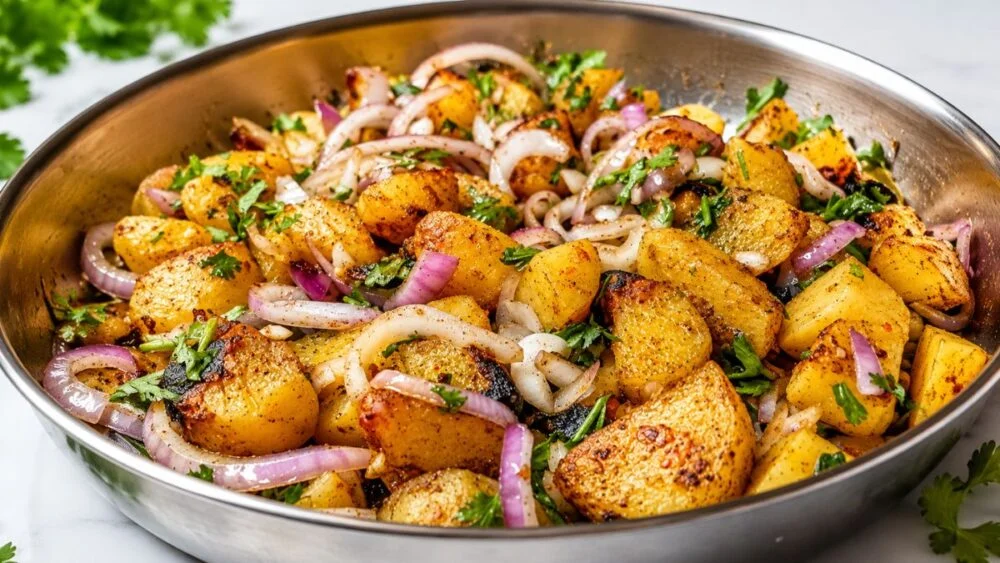
There’s a specific kind of disappointment that comes from pulling a tray of potatoes out of the oven and finding them pale, soggy, and stuck to the pan instead of golden and crisp. Most people blame their oven. The real issue is almost always timing, oil, or overcrowding — three things that are easy to fix once you know what to look for.
This roasted onion potatoes recipe is the version we keep coming back to at EatLikeFit, because it solves all three problems at once. It uses simple pantry ingredients, takes one pan, and turns out crispy on the outside, soft in the middle, every single time. Below, you’ll find the exact method, the small mistakes that ruin most potato dishes, and a few ways to make this fit whatever you’re eating right now — whether that’s a quick weeknight dinner or a meal-prepped side for the week ahead.
Jump To
What Are Roasted Onion Potatoes?
Roasted onion potatoes are exactly what they sound like: potato cubes and sliced onion roasted together in the oven with oil, garlic, and seasoning until the edges turn deep golden brown. It’s a side dish that shows up in home kitchens across the world in slightly different forms, partly because it’s hard to get wrong and partly because almost everyone already has the ingredients on hand.
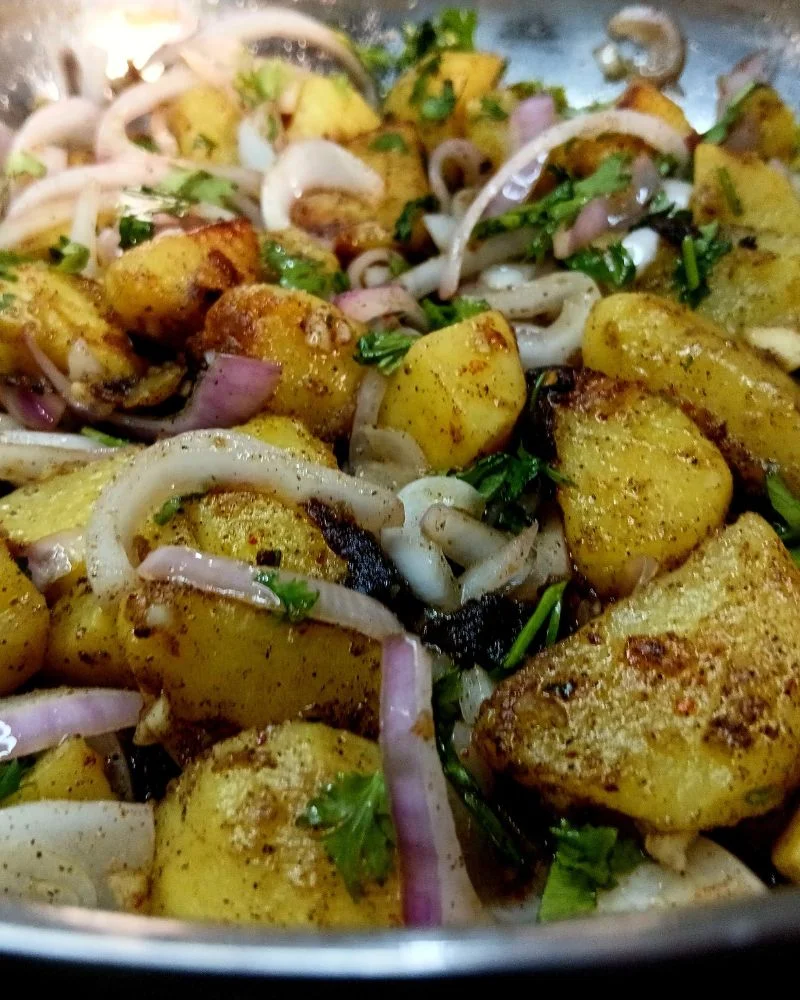
What makes this version stand out is the contrast in texture. The onion partially caramelizes, adding natural sweetness, while the potatoes develop that craveable crispy edge that comes from high, dry heat.
Why Potatoes Don’t Always Get Crispy
Before getting into the recipe, it helps to understand why this dish goes wrong so often. Most soggy potato trays come down to one of three issues:
- Too much moisture. Wet potatoes steam instead of roast.
- Too little space. Crowded potatoes trap steam between each piece.
- Too low heat. Anything under 400°F slows down browning.
Once you understand the cause, the fix is almost automatic. That’s really the whole secret behind this recipe.
Ingredients
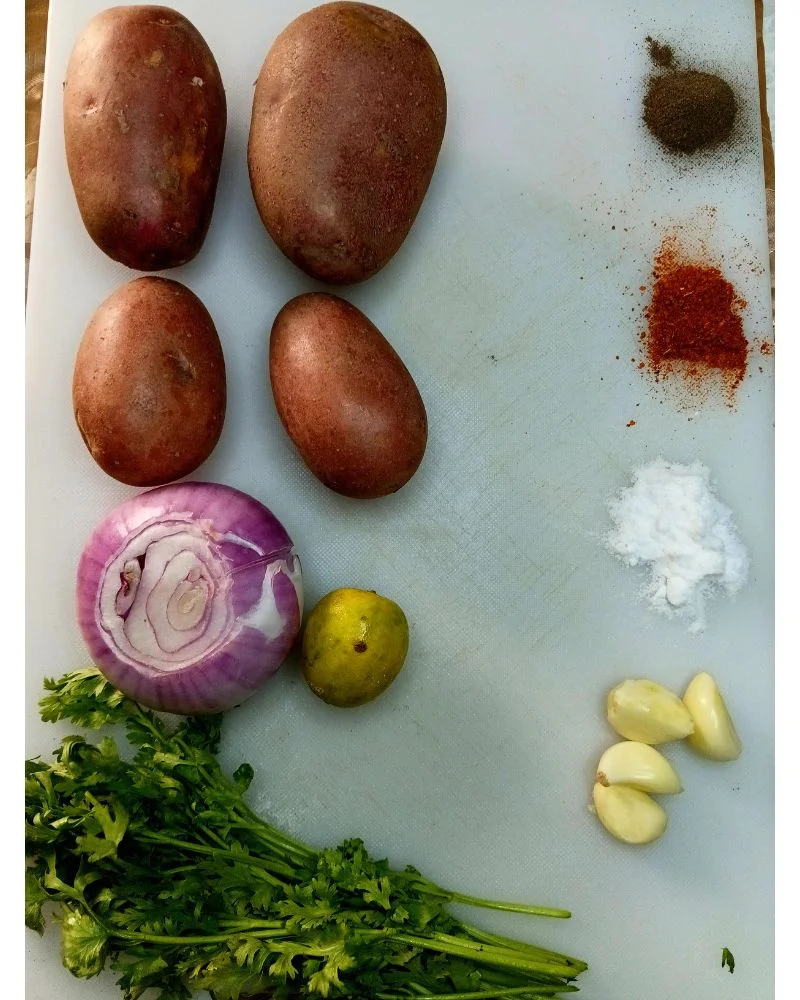
This recipe uses simple, easy-to-find ingredients — no special trip to the store required. Here’s everything you’ll need for about 4 servings.
| Ingredient | Quantity |
|---|---|
| Potatoes | 500g (about 3 medium) |
| Onion | 1 large |
| Garlic | 4 cloves |
| Cooking oil | 2 tbsp |
| Salt | 1 tsp |
| Black pepper | ½ tsp |
| Paprika | 1 tsp |
| Italian seasoning | ½ tsp (optional) |
| Fresh coriander (cilantro) | 2 tbsp, chopped |
| Lemon | ½ (optional, for finishing) |
Potatoes
Yukon Gold or russet potatoes both work well here. Yukon Golds hold their shape and turn naturally buttery; russets crisp up a little more aggressively because they’re starchier.
Onion
A large yellow onion gives the best balance of sweetness and savory depth once roasted. Red onion works too, with a slightly sharper bite.
Garlic
Fresh garlic, roughly chopped, adds a deeper flavor than pre-minced jarred garlic. Add it partway through roasting so it doesn’t burn.
Seasonings
Salt, pepper, and paprika form the base. Paprika adds color and a mild smoky note without heat.
Fresh Herbs
Coriander (or parsley, if you prefer a milder flavor) brightens the dish right before serving.
Ingredient Substitutions
This recipe is forgiving, which is part of why it’s become a regular in so many EatLikeFit readers’ kitchens.
- No fresh garlic? Use ½ tsp garlic powder instead.
- Watching sodium? Cut the salt by half and add extra lemon juice for flavor instead.
- Want it spicier? Add ¼ tsp cayenne or chili flakes.
- No coriander? Fresh parsley or chives both work as a finishing herb.
- Oil-free version? A light spray of avocado oil reduces fat while still allowing some crisping, though the texture won’t be quite as crunchy.
If you’re experimenting with other roasted vegetable combinations, our roasted root vegetable recipe uses a similar method with carrots, parsnips, and beets.
Kitchen Equipment
You don’t need anything fancy for this one:
- A sharp knife and cutting board
- A large mixing bowl
- One large sheet pan (avoid using a small pan — it causes overcrowding)
- Parchment paper or a light coat of oil for easy cleanup
How to Make Roasted Onion Potatoes
Step 1: Preheat and prep. Preheat your oven to 425°F (220°C). This temperature matters more than people realize — anything lower and the potatoes will dry out before they brown.
Step 2: Cut the potatoes evenly. Dice the potatoes into roughly 1-inch cubes. Even sizing means even cooking, so try to keep the pieces consistent.
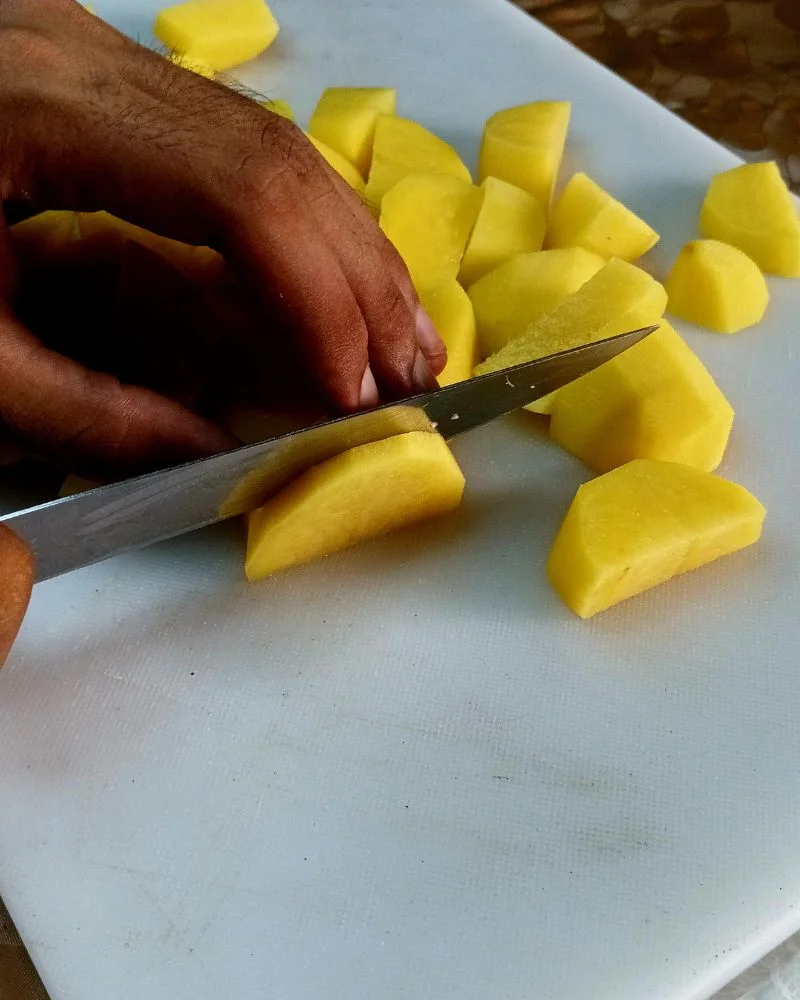
Step 3: Dry the potatoes. After cutting, pat the potatoes completely dry with a clean towel. This step is small but it’s the single biggest factor in getting crispy edges, since any surface moisture turns into steam in the oven.
Step 4: Season and toss. In a large bowl, toss the potatoes and sliced onion with oil, salt, pepper, and paprika until evenly coated. Add the garlic now if you like a deeper roasted flavor, or hold it back for step 5 if you prefer it less browned.
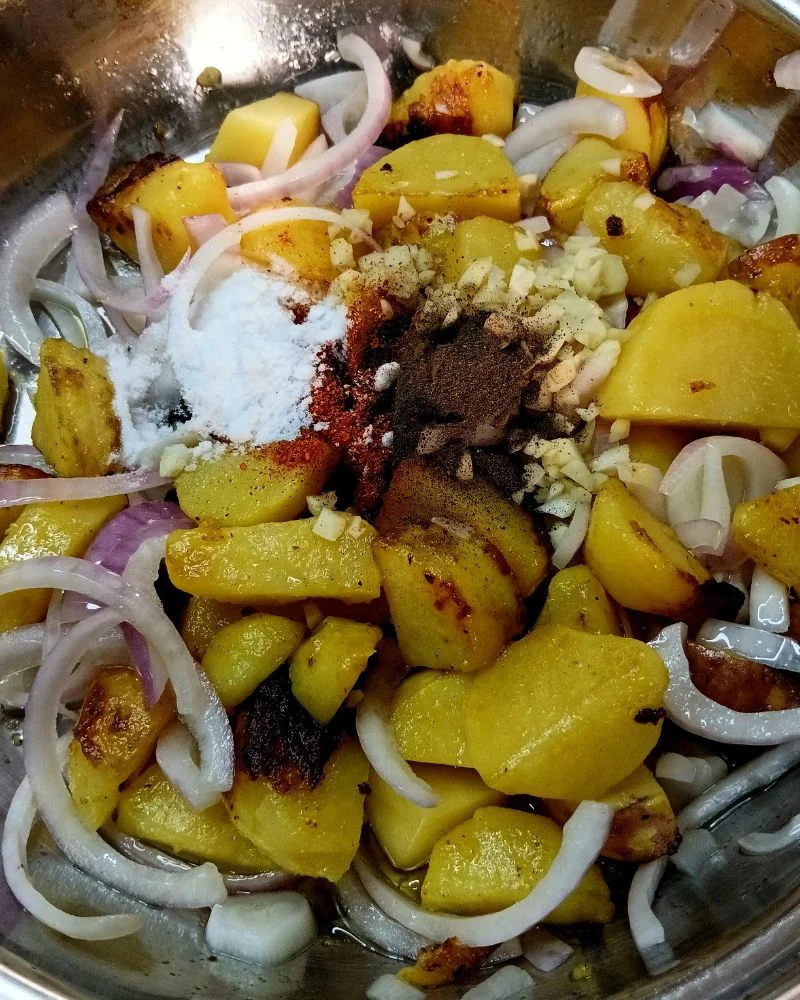
Step 5: Spread in a single layer. Arrange everything on the sheet pan in one even layer with space between pieces. If the potatoes are touching too closely, use two pans instead of one — crowding is the most common reason this dish turns out soft instead of crispy.
Step 6: Roast and finish. Roast for 30–35 minutes, flipping halfway through. In the last 5 minutes, add the garlic if you held it back. Once the edges are deep golden, remove from the oven, squeeze fresh lemon over the top if using, and finish with chopped coriander.
Common Mistakes to Avoid
Even simple recipes have a few common failure points worth knowing:
- Skipping the dry step. Wet potatoes will steam, not roast.
- Overcrowding the pan. Give each piece breathing room.
- Cutting uneven pieces. Smaller pieces burn while larger ones stay raw.
- Adding garlic too early. Raw garlic burns fast at high heat and turns bitter.
- Flipping too often. Constant flipping prevents a proper crust from forming — once halfway through is enough.
If you’re also working on other crispy potato dishes, our crispy fried mashed potato recipe and KFC-style potato wedges run into a lot of the same texture issues — the fixes are nearly identical.
Expert Tips
A few small habits separate a good tray of roasted potatoes from a great one:
- Use a dark, heavy sheet pan. It conducts heat better than a light, thin one, which helps with browning.
- Don’t skip preheating fully. Putting potatoes into an oven that hasn’t reached temperature yet slows browning significantly.
- Salt before roasting, not after. Salting early helps draw out a little moisture and season the potatoes all the way through.
- Let them rest 2–3 minutes after roasting. This helps the crust set instead of softening immediately on a covered plate.
Serving Ideas
Roasted onion potatoes work as a side for almost any main dish, but a few pairings come up often in our kitchen.
- Serve alongside our broasted chicken recipe for a comfort-food dinner.
- Pair with a high-protein shakshuka for a hearty brunch plate.
- Add a scoop of our chickpea rice for a fuller, plant-forward meal.
- Top a bowl with chicken salad for a warm-and-cold contrast that works surprisingly well.
Storage and Reheating
Store leftovers in an airtight container in the fridge for up to 4 days. For best texture, reheat in a skillet over medium heat or in an air fryer at 375°F for 5–6 minutes — this brings back most of the crispiness that a microwave can’t.
If you like prepping ahead, this recipe holds up well as part of a larger rotation. Our salad meal prep ideas and gluten-free meal prep guide both include similar make-ahead, reheat-well dishes.
Recipe Variations
- Sweet potato version: Swap in cubed sweet potatoes for a slightly sweeter, softer result — similar to our sweet potato puree but with more texture.
- Loaded version: Top with a little shredded cheese and chopped bacon in the last 5 minutes of roasting.
- Mediterranean style: Add oregano, a squeeze of lemon, and crumbled feta, similar in spirit to our Mediterranean diet dinner ideas.
- Cold salad version: Once cooled, toss with a light vinaigrette for a roasted take on potato salad with red potatoes.
Nutrition Information (Approximate, Per Serving)
Based on a recipe that serves 4, using the ingredients listed above:
- Calories: ~190
- Carbohydrates: ~30g
- Protein: ~4g
- Fat: ~7g
- Fiber: ~4g
These numbers will shift depending on the exact oil amount and potato variety used.
Who Can Benefit From This Recipe
This dish fits a wide range of eating styles, which is part of why it’s such a reliable staple:
- Budget-conscious cooks — potatoes and onions are some of the most affordable produce items year-round.
- Plant-based or vegetarian eaters — naturally meat-free without needing substitutions.
- People building higher-volume, lower-calorie plates — potatoes are filling relative to their calorie count, a quality covered in more depth in our high-volume, low-calorie foods guide.
- Anyone managing hunger between meals — paired with a protein, this dish can be part of a more satisfying plate, similar to ideas in our hunger-crushing snacks roundup.
When to Talk to a Doctor or Dietitian
Potatoes are a nutrient-rich, whole food for most people, but a few situations are worth a conversation with a healthcare provider first. If you’re managing diabetes, talk to a doctor or dietitian about appropriate portion sizes, since potatoes are higher in carbohydrates than non-starchy vegetables. If you’re on a sodium-restricted diet for blood pressure or kidney reasons, ask about safe seasoning limits before adding extra salt. And if you have a known nightshade sensitivity, potatoes are part of that plant family and may be worth discussing with a provider.
Practical Daily Habits
A few small habits make dishes like this one easier to keep in regular rotation:
- Keep onions, garlic, and a starchy vegetable on hand at all times — they form the base of dozens of simple dinners.
- Roast a double batch on Sundays for easy reheating during the week.
- Pair starchy sides with a protein and a vegetable to round out the plate, an approach you’ll also see in our easy girl dinner ideas and themed dinner night ideas.
Helpful EatLikeFit Tools
A few free tools on EatLikeFit can help you build this recipe into a broader routine:
- Reverse BMI Calculator — useful if you’re working backward from a goal weight to figure out a target range.
- Recipe Converter Calculator — helpful if you want to scale this recipe up for a family dinner or down for a single serving.
- Recipe Cost Calculator — a good way to see exactly how budget-friendly a dish like this really is before you shop.
FAQs
Are roasted onion potatoes healthy?
Potatoes are a good source of potassium, vitamin C, and fiber, especially when the skin is left on.
Why aren’t my potatoes getting crispy?
The most common causes are skipping the drying step, overcrowding the pan, or roasting below 425°F. Fixing any of these usually solves the problem.
Can I make this recipe ahead of time?
Yes. You can prep and season the potatoes a day in advance and store them in the fridge, then roast just before serving for the best texture.
Is this recipe gluten-free?
Yes, all the ingredients in this recipe are naturally gluten-free, as long as your seasoning blends don’t contain hidden additives.
Final Thoughts
Roasted onion potatoes are one of those recipes that earns a permanent spot in a weekly rotation — cheap, simple, and forgiving enough for a busy weeknight, but good enough to serve when company’s over. Once you get the dry-potato, hot-oven, single-layer method down, it’s hard to go back to soggy roasted potatoes again.
Visit our official website for more healthy recipes, nutrition tips, wellness guides, and powerful health tools:
🌐 Visit EatLikeFit.com
Roasted Onion Potatoes
Equipment
- Large sheet pan
- Mixing Bowl
- Sharp knife & cutting board
- Clean kitchen towel
Ingredients
- 500 g Potatoes Yukon Gold or russet cut into 1-inch cubes
- 1 Large Onion Sliced
- 4 Cloves Garlic Roughly chopped
- 2 tbsp Cooking oil Olive or avocado oil
- 1 tsp Salt —
- ½ tsp Black pepper Freshly ground
- 1 tsp Paprika —
- ½ tsp Italian seasoning Optional
- 2 tbsp Fresh coriander Chopped for garnish
- ½ Lemon Lemon Optional for finishing
Instructions
- Preheat the oven to 425°F (220°C).
- Cut the potatoes into even 1-inch cubes.
- Pat the potatoes completely dry with a clean towel — this is key for crispy edges.
- In a large bowl, toss the potatoes and onion with oil, salt, pepper, and paprika until evenly coated.
- Spread everything in a single, uncrowded layer on the sheet pan (use two pans if needed).
- Roast for 30–35 minutes, flipping halfway through. Add the garlic in the last 5 minutes. Once golden, top with lemon juice and fresh coriander before serving.
Video
Notes

Muhammad Ahtsham is the founder of EatLikeFit.com and a nutrition researcher dedicated to healthy weight management. He provides practical, science-backed advice on high-protein diets and affordable meal planning to help readers achieve their fitness goals simply and effectively.