
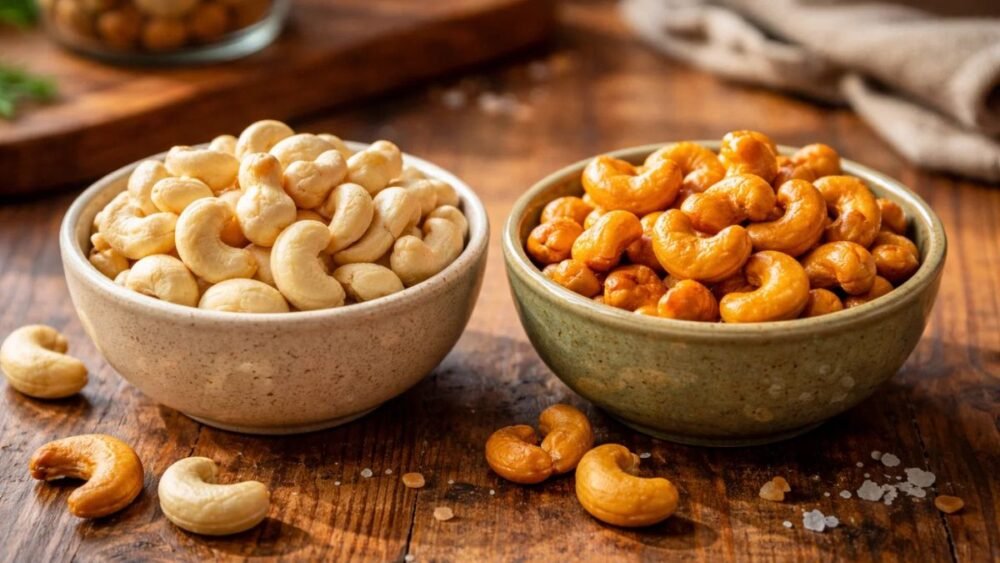
If you’ve ever stared at the nut aisle wondering whether to grab raw or roasted cashews, you’re not alone. This isn’t just a flavor debate — it’s about nutrition, digestibility, and how these little kidney-shaped seeds fit into your everyday diet. Experts say there’s no clear winner; the right choice often depends on your goals, tastes, and how you plan to use them.
Jump To
Why Cashews Deserve a Spot in Your Diet
Cashews aren’t just a crunchy snack to tide you over until lunch. They’re packed with heart-healthy fats, plant-based protein, and essential minerals like magnesium, iron, and zinc. Nutritionists note that these nutrients support everything from cardiovascular health to energy production and satiety, making cashews a surprisingly versatile addition to your meals or snacks.
Yet, whether you eat them raw or roasted can subtly change how your body absorbs these benefits. Even small differences can matter if you’re mindful about nutrient intake or trying to tweak your diet for weight management.
Raw vs. Roasted: The Nutritional Showdown

At first glance, raw and roasted cashews look almost identical. But dig a little deeper, and the differences start to matter:
Raw Cashews
- Calorie-wise: Slightly lower if they haven’t been roasted with added oil.
- Nutrient retention: Heat-sensitive vitamins and minerals tend to stay intact.
- Digestive support: Some nutritionists argue that natural enzymes in raw cashews may aid digestion, though research is limited.
- Mineral content: Typically a touch higher in iron and selenium than roasted varieties.
Roasted Cashews
- Taste factor: Richer flavor and satisfying crunch, which is why they’re the snack aisle favorite.
- Digestibility: Roasting can reduce anti-nutrients like phytic acid, potentially improving mineral absorption.
- Calories & sodium: If roasted with oil or salt, the count goes up — something to watch if you’re managing weight or blood pressure.
Raw cashews may keep a few extra nutrients intact, while roasted ones often offer a tastier, more digestible experience. The choice usually comes down to how you plan to enjoy them.
Related: Almonds or Pecans: Which Nut Is Healthier?
Flavor and Texture: More Than Just Numbers
Let’s be honest — taste matters. Roasted cashews deliver a nutty richness and crunch that makes them hard to put down straight from the jar. They’re a crowd-pleaser in trail mixes, lunchboxes, or even just a late-night snack.
Raw cashews, on the other hand, have a milder, creamier profile. That makes them ideal for recipes — think plant-based sauces, vegan cheesecakes, or smoothies. I’ve noticed that people stick with healthier eating habits more consistently when they actually enjoy the taste and texture of what they’re eating. And for many, roasted cashews hit that sweet spot.
Health Implications Beyond the Bag
Health experts emphasize that cashews — raw or roasted — can contribute positively to your diet:
- Heart health: Regular, moderate intake, especially unsalted, can support healthy cholesterol levels and overall cardiovascular wellness.
- Weight management: Despite being calorie-dense, the fats and protein help you feel full, reducing the temptation for empty-calorie snacks.
- Minerals & metabolism: Magnesium, copper, and zinc in cashews aid immune function, metabolism, and energy production.
It’s worth noting that “raw” cashews sold in stores have been processed to remove naturally occurring irritants. They’re marketed as raw because they haven’t been roasted for flavor or texture — a subtle but important distinction.
Related: Pumpkin Seeds vs Sunflower Seeds
How to Decide What’s Right for You
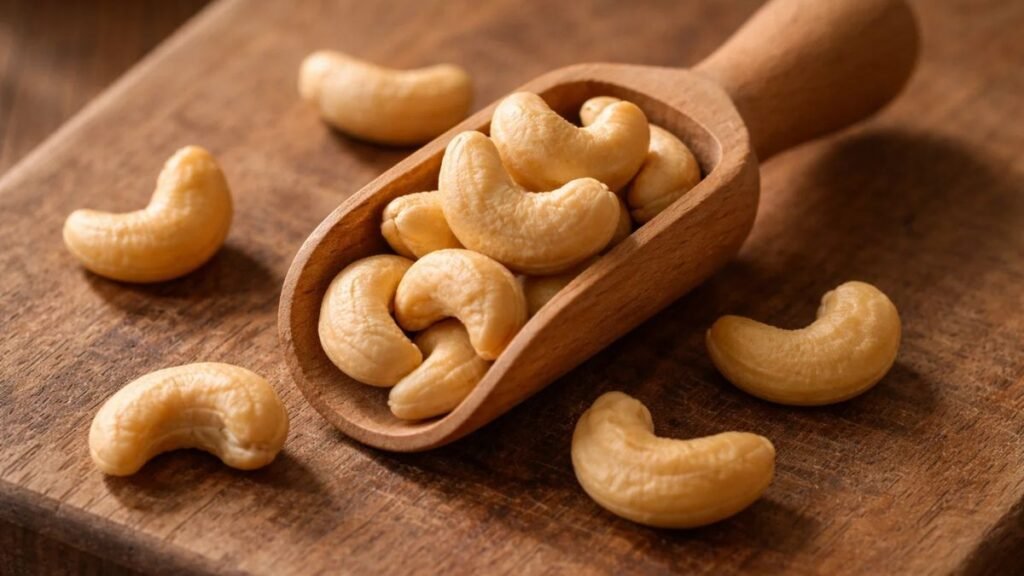
With both options offering benefits, here’s a practical guide:
Choose Raw Cashews If You:
- Prefer minimal processing and no added oils or salt
- Want to use them in blended recipes or plant-based dishes
- Focus on nutrient retention and lower calories
Choose Roasted Cashews If You:
- Enjoy a richer flavor and satisfying crunch
- Need a ready-to-eat snack that satisfies cravings
- Don’t mind slight losses in heat-sensitive nutrients for better digestibility
Regardless of your pick, portion control matters. About a small handful — roughly 1 ounce — delivers nutrients without excessive calories.
Related: Best Nut for Natural Weight Loss
The Bottom Line
There’s no universally “better” choice between raw and roasted cashews. Each has subtle trade-offs in taste, nutrient bioavailability, and how you plan to enjoy them. What matters most is fitting them into a balanced diet that works for you — whether that’s snacking, cooking, or just savoring the flavor.
In the end, raw and roasted cashews are both allies for a healthy, nutrient-rich diet. Choosing between them is less about right or wrong, and more about what satisfies your taste buds and aligns with your health goals.
What’s the main difference between raw and roasted cashews?
Raw cashews retain slightly more nutrients and are milder in flavor, while roasted cashews offer crunch and richer taste, sometimes at the cost of heat-sensitive vitamins.
Are roasted cashews healthier than raw?
Neither is strictly “healthier.” Roasted cashews may be easier to digest and tastier, but raw cashews keep more nutrients intact.
Which cashews are better for weight loss?
Both can fit into a weight-loss plan if eaten in moderation. Raw cashews have fewer added calories if unprocessed, while roasted ones can satisfy cravings with smaller portions.
If you enjoyed this article, don’t forget to follow and subscribe for more health tools, recipes, and news!
Sources
- Healthline – Cashews 101: Nutrition Facts and Health Benefits
https://www.healthline.com - Verywell Health – Roasted vs. Raw Nuts: What’s Healthier?
https://www.verywellhealth.com - Homeperch – Raw vs. Roasted Cashews: What’s the Difference?
https://www.homeperch.com/raw-vs-roasted-cashews

Muhammad Ahtsham is the founder of EatLikeFit.com and a nutrition researcher dedicated to healthy weight management. He provides practical, science-backed advice on high-protein diets and affordable meal planning to help readers achieve their fitness goals simply and effectively.