
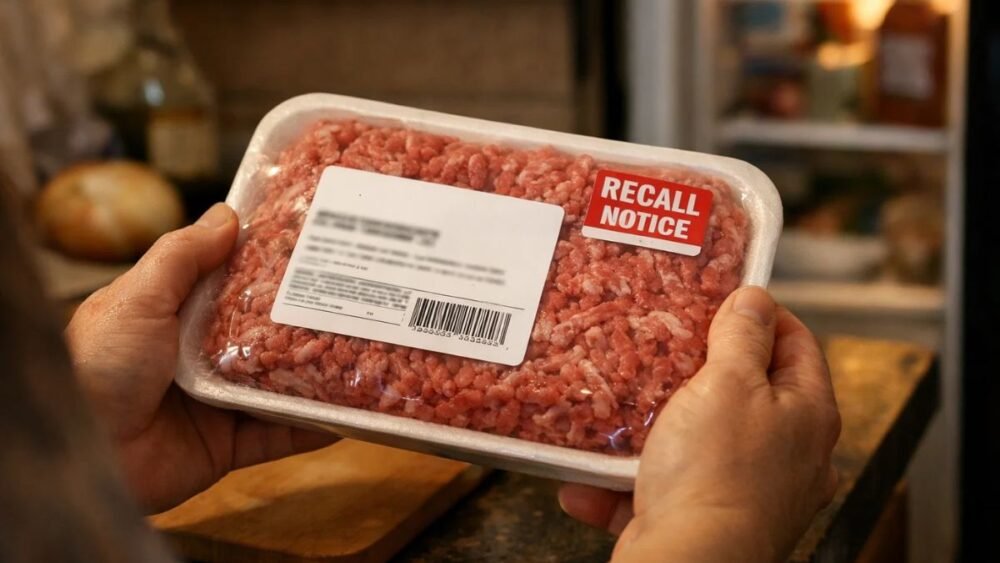
If you’ve got ground beef tucked into your fridge or freezer right now, this might be one of those moments where it’s worth pausing before dinner. Federal officials have announced a nationwide ground beef recall, and while not every package is guaranteed to be dangerous, experts say the potential risk is serious enough that consumers should check immediately.
I’ve covered food recalls for years, and ground beef always hits differently. It’s a staple — weeknight tacos, burgers on the grill, a quick skillet meal when time is short. When something this common is recalled, the ripple spreads fast.
Authorities are urging people not to assume frozen meat is safe, or that “it looks fine” means it’s fine. In food safety, appearances can be misleading.
Jump To
What Triggered the Ground Beef Recall?
According to federal regulators, the recall was launched after routine inspections and internal quality reviews flagged potential safety concerns tied to certain ground beef products. Officials haven’t said that every package is contaminated — and that distinction matters — but they have said the risk is credible enough to warrant removal from circulation.
Food safety experts note that ground beef recalls often involve:
- Possible E. coli or Salmonella contamination
- Processing or labeling errors that affect traceability
- Cross-contamination during grinding or packaging
Nutritionists and public health specialists often point out that recalls are preventive by design. In other words, the system is working before widespread illness occurs — not after.
This recall follows a growing pattern of food safety alerts in recent months, including earlier warnings tied to egg-related Salmonella outbreaks and other protein products. If you’ve been following recalls closely, you may remember a similar response during the recent salmonella outbreak eggs recall, where early action helped limit reported illnesses.
Which Ground Beef Products Are Affected?
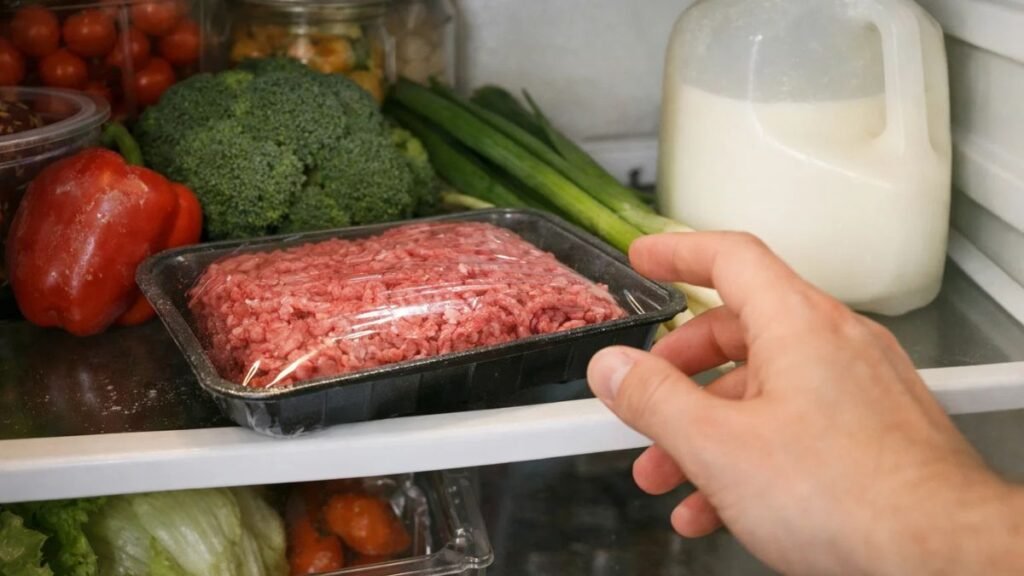
Details can change as investigations continue, but recalled ground beef products are usually identified by very specific markers. If you still have the packaging, check carefully for:
- Production or “use by” dates
- Establishment numbers (often stamped inside the USDA inspection mark)
- Lot or batch codes
- Store or regional distribution notes
If the label is missing, damaged, or unclear, food safety officials say not to gamble. When it comes to potential bacterial exposure, erring on the side of caution is the safer call.
Retailers across multiple states have already begun pulling affected products from shelves, following standard recall procedures.
Why Ground Beef Poses a Higher Risk
Experts often explain that ground beef carries unique risks compared to whole cuts of meat. When beef is ground, meat from multiple animals is mixed together. That means one contamination point can affect thousands of pounds of product, spreading across states in days.
A food safety study cited by public health agencies found that ground meats are among the most common sources of foodborne illness outbreaks when contamination occurs. The grinding process increases surface area — and with it, the opportunity for bacteria to spread.
This same issue has fueled other large recalls, including recent alerts involving processed dairy and packaged foods, like the mac and cheese recall 2025, where manufacturing scale played a major role.
Possible Health Symptoms to Watch For
Consuming contaminated ground beef doesn’t always lead to immediate illness, which can make recalls feel abstract — until symptoms show up days later.
According to health officials, symptoms may include:
- Nausea or vomiting
- Stomach cramps or abdominal pain
- Diarrhea, sometimes severe or bloody
- Fever in some cases
The CDC notes that foodborne illness symptoms can appear anywhere from a few hours to several days after exposure, depending on the bacteria involved.
Doctors emphasize that certain groups face higher risks of complications:
- Young children
- Older adults
- Pregnant individuals
- People with weakened immune systems
If symptoms are severe, persistent, or worsening, medical professionals advise seeking care and mentioning possible exposure to recalled ground beef.
What You Should Do Right Now

If you think you may have purchased the recalled product, officials recommend acting immediately — not waiting to “see what happens.”
Here’s what food safety experts advise:
- Do not eat the ground beef, even if it smells or looks normal
- Safely discard it or return it to the retailer if refunds are offered
- Wash and sanitize any surfaces, containers, or utensils that touched the meat
- Monitor yourself and family members for symptoms
Public health officials stress that thorough cleaning matters. Bacteria can linger on cutting boards, fridge drawers, and countertops long after the meat is gone.
How Meat Recalls Are Classified
In the U.S., ground beef recalls are coordinated by the USDA’s Food Safety and Inspection Service (FSIS). Each recall is assigned a risk level:
- Class I: High probability of serious health consequences
- Class II: Temporary or medically reversible effects
- Class III: Unlikely to cause adverse health effects
Most nationwide ground beef recalls fall into Class I or Class II, largely because bacterial contamination can escalate quickly if the product is consumed.
You can track ongoing recalls through official government databases, though many consumers rely on trusted food safety sites to filter updates more clearly.
Why These Recalls Matter More Than Ever
Ground beef remains one of the most consumed proteins in American households. When something goes wrong at the processing level, the impact is national — not local.
Food safety advocates say recalls like this highlight the importance of:
- Strong inspection systems
- Transparent reporting
- Rapid retailer response
- Consumer awareness
While recalls can feel alarming, experts agree they’re also proof that surveillance systems are doing their job. Catching problems early saves lives.
The Bottom Line
This nationwide ground beef recall is a serious reminder that food safety isn’t just a regulatory issue — it’s personal. Checking your fridge, reading labels, and staying informed can make the difference between a precaution and a preventable illness.
As investigators continue their review, officials are expected to release additional product details and distribution updates. Until then, experts say caution is the smarter choice.
If you’re already tracking food recalls, this one belongs on your radar.
Why was ground beef recalled?
The recall was issued after inspections and quality checks identified potential safety risks, including possible bacterial contamination.
What should consumers do if they purchased it?
Do not eat the product. Dispose of it safely or return it if allowed, clean affected surfaces, and monitor for symptoms.
What are the symptoms of foodborne illness?
Common symptoms include nausea, vomiting, diarrhea, stomach cramps, and fever, which may appear hours or days after exposure.
If you enjoyed this article, don’t forget to follow and subscribe for more health tools, recipes, and news!
Sources
- U.S. Department of Agriculture (USDA) – Food Safety and Inspection Service (FSIS)
Official authority overseeing meat and poultry recalls, classifications, and consumer safety guidance.
https://www.fsis.usda.gov/recalls - Centers for Disease Control and Prevention (CDC) – Foodborne Illness
Information on symptoms, high-risk groups, timelines for illness onset, and prevention guidance.
https://www.cdc.gov/foodborneburden/index.html

Muhammad Ahtsham is the founder of EatLikeFit.com and a nutrition researcher dedicated to healthy weight management. He provides practical, science-backed advice on high-protein diets and affordable meal planning to help readers achieve their fitness goals simply and effectively.