
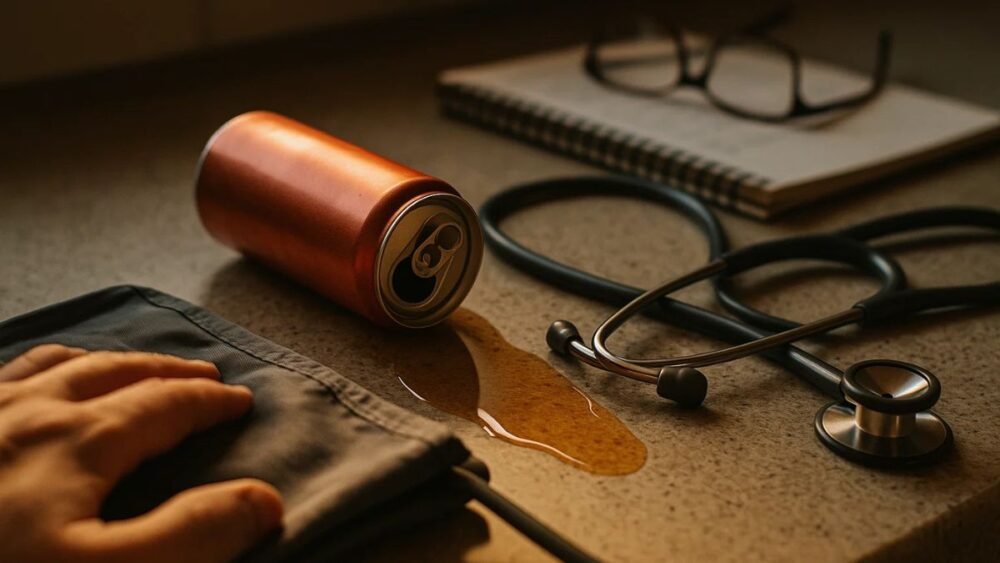
Regular, high-volume consumption of energy drinks is linked with measurable increases in stroke risk — likely because the drinks cause sharp rises in blood pressure, heart-rhythm disturbances and impaired blood-vessel function. People with high blood pressure, heart disease, or who mix these drinks with alcohol face the greatest danger. SpringerLink+1
I’ll be honest: I used to think of energy drinks as harmless pick-me-ups — flashy cans, loud marketing, zero shame. Then the recent wave of medical papers and a string of stark case reports made me look at those shelves differently. Doctors aren’t just seeing jittery students or sleepless shift workers anymore; they’re seeing alarming blood-pressure spikes and, in rare but real cases, strokes in people who wouldn’t otherwise be considered high risk. The Guardian+1
Jump To
What the new research found — in plain language
Scientists have pooled trials and clinical observations and the picture is consistent: energy drinks frequently cause short-term increases in systolic and diastolic blood pressure, raise heart rate, and can alter electrical activity of the heart. Over time — or when consumed in large amounts — those effects make blood vessels and the heart more vulnerable to events like clots or bleeds that cause stroke. That’s not hand-waving; it’s what several recent reviews and clinical papers have documented.
Why doctors are ringing alarm bells now
Partly it’s the numbers — energy-drink use is up, especially among young adults — and partly it’s the pattern of injuries. Emergency physicians and cardiologists report seeing otherwise fit people with transient but extreme hypertension and abnormal ECG changes after chains of energy cans. In at least one published case, a middle-aged man who drank many cans daily suffered a disabling stroke; when he stopped the drinks his blood pressure normalized. These stories, combined with controlled studies, are what’s prompting calls for clearer warnings and better labeling.
How these drinks stress your body
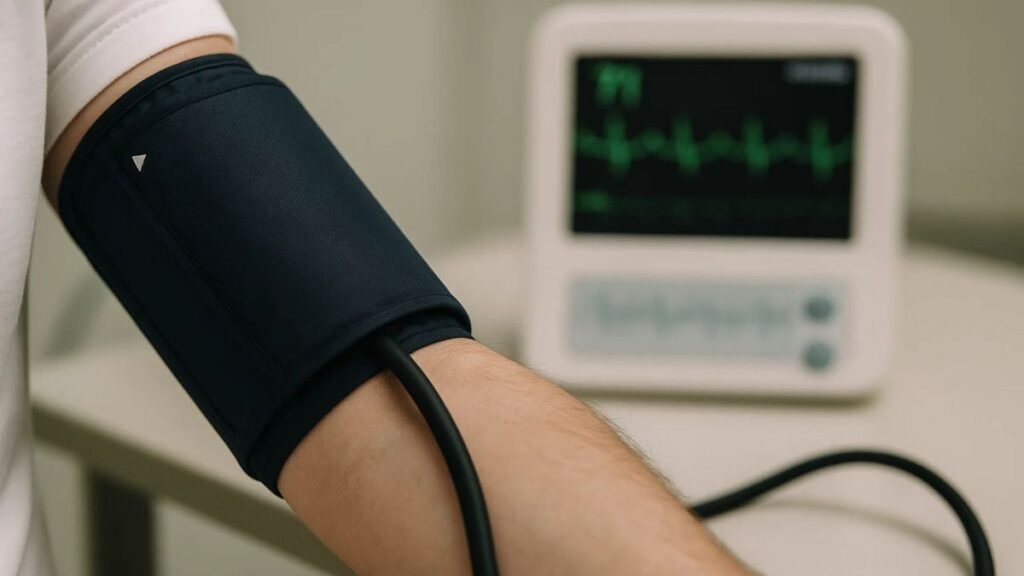
Most energy drinks contain a mix of high caffeine, taurine and other stimulants — plus sugar or artificial sweeteners. That combo can:
- Narrow blood vessels and push blood pressure up.
- Speed the heart and sometimes trigger irregular rhythms.
- Dehydrate you, which makes blood thicker and circulation more stressful.
Cardiovascular scientists and public-health agencies have repeatedly linked those effects to elevated short-term risk for vascular events. NCBI+1
Who seems to be most at risk
Younger adults and teens are worrying because their use is high and they often underestimate caffeine dose — some large cans exceed 300 mg of caffeine (more than a strong cup of coffee). Mixing energy drinks with alcohol or using several caffeinated products in a short time amplifies the risk. And people with hypertension, existing heart disease, or a family history of stroke should treat these drinks like a flashing warning sign: experts recommend avoidance. CDC+1
The industry line — and the public-health counterpoint
Brands insist their products are safe when used “responsibly,” and regulators allow their sale. Critics say “responsibly” is vague — these cans are marketed to exhausted students, gamers, and shift workers who may be precisely the people least able to moderate intake. Public-health researchers want clearer caffeine labeling, limits on marketing to minors, and more independent trials to nail down long-term effects. Recent systematic reviews argue the physiological signals are strong enough to justify more caution.
Practical advice you can use today
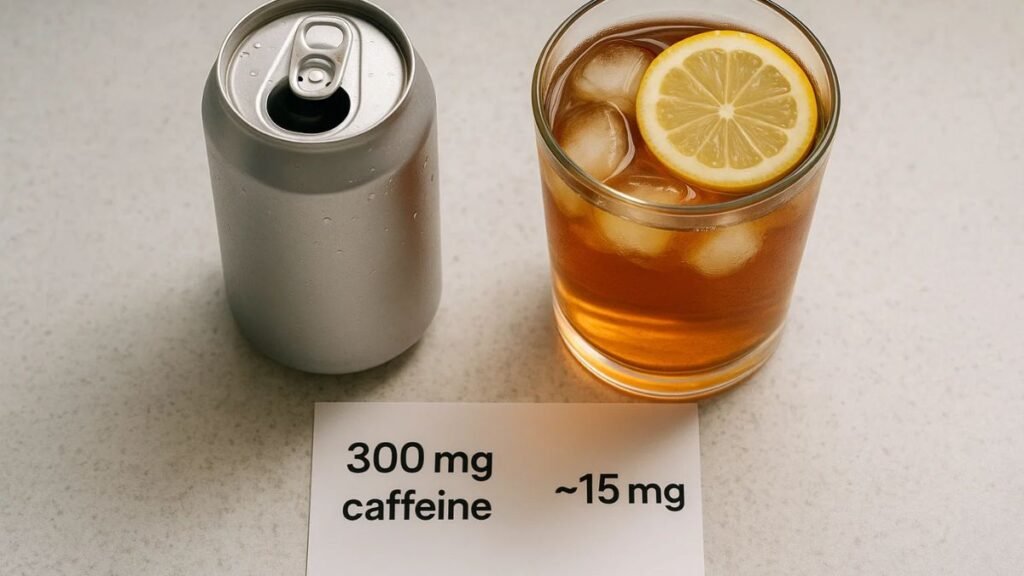
If you rely on energy drinks, you don’t have to feel judged — just be informed. Try these steps:
- Treat each can like a concentrated caffeine shot: track total daily caffeine from all sources.
- Don’t mix energy drinks with alcohol. Ever. (It masks intoxication and raises cardiovascular risk.) NCCIH
- If you have high blood pressure, arrhythmia, heart disease, are pregnant, or have a strong family history of stroke — avoid them.
- Try lower-risk alternatives: unsweetened tea, smaller coffee portions, better sleep hygiene, hydration and protein/snack strategies. (If you’re curious about lower-stimulant options, we looked at mushroom coffee side effects in a recent piece.)
- For calorie/caffeine comparisons and sugar questions, see our guide on zero-sugar vs. diet soda.
The big takeaway
Research isn’t yet saying every can equals a stroke — but the evidence is piling up that heavy or repeated energy-drink use produces biological effects that plausibly raise stroke risk, especially in susceptible people. In plain terms: the buzz may come with a price, and for some people that price is serious.
Do energy drinks increase stroke risk?
Evidence indicates they can — particularly with heavy, repeated use — because they raise blood pressure and can disturb heart rhythm, both known stroke risk factors.
How many energy drinks per day are safe?
There’s no universal “safe” number. Cardiologists generally advise that more than one large energy drink per day raises risk, and anyone with cardiovascular issues should avoid them.
If you enjoyed this article, don’t forget to follow and subscribe for more health tools, recipes, and news!

Muhammad Ahtsham is the founder of EatLikeFit.com and a nutrition researcher dedicated to healthy weight management. He provides practical, science-backed advice on high-protein diets and affordable meal planning to help readers achieve their fitness goals simply and effectively.