There’s something oddly brave about baking a cookie without chocolate.
No chips to hide behind.
No gooey shortcuts.
Just dough, heat, timing—and your confidence as a baker.
For years, chipless cookies were treated like the boring cousin at the dessert table. Polite. Acceptable. Easy to ignore. But spend enough time around serious home bakers, pastry chefs, or anyone who actually understands baking science, and you’ll hear a different story entirely.
A well-made chipless cookie isn’t plain.
It’s honest.
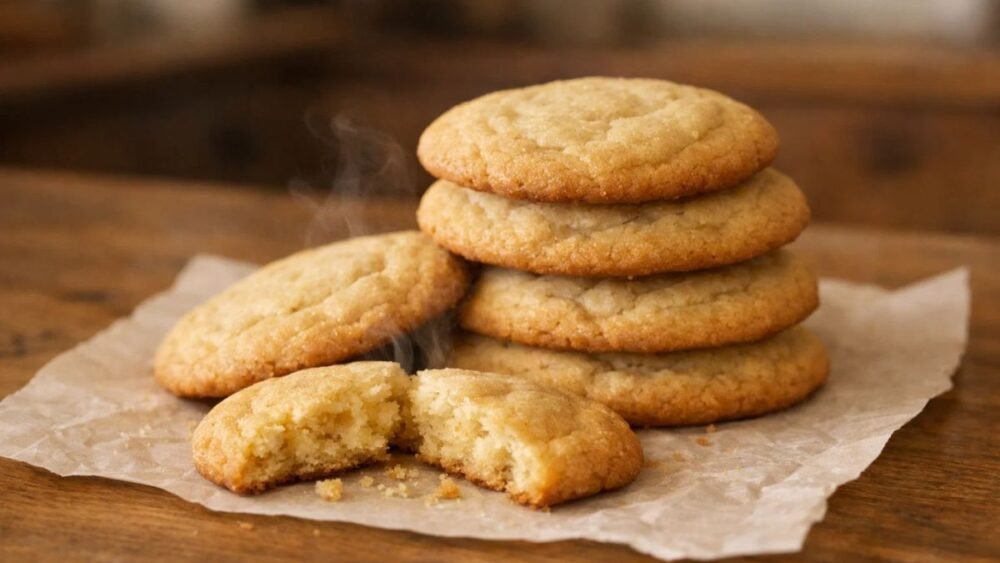
Soft in the center.
Barely crisp at the edges.
Rich with butter and vanilla.
Balanced, not loud.
And when it’s done right, it tastes like something you’d wrap in parchment at a small bakery and charge extra for—because people who know, know.
This guide is written for those people.
If you’ve ever wondered why your cookies spread too much, taste flat, or feel dry the next day—this is where it finally clicks.
Jump To
What Are Chipless Cookies, Really?
At their core, chipless cookies are exactly what the name implies: cookies made without chocolate chips or chunky mix-ins, relying entirely on the base dough for flavor and structure.
But that simple definition misses the point.
Chipless cookies are soft or chewy cookies made without chocolate chips, focusing on buttery flavor, controlled sweetness, and classic bakery-style texture rather than add-ins.
They’re sometimes labeled as:
- Plain cookies
- Old-fashioned cookies
- Vanilla cookies without chips
Those names do them no favors.
Because when executed well, chipless cookies don’t feel empty. They feel deliberate. Almost nostalgic. Like something your grandmother made before dessert became performative—long before ultra-stuffed cookies and viral desserts took over feeds like today’s over-the-top recipe trends.
Why Chipless Cookies Are Suddenly Everywhere Again
Food trends move in cycles. Bigger. Louder. Then—inevitably—simpler.
We’ve spent years stuffing cookies with candy bars, cereal, marshmallows, even entire brownies. And while those desserts photograph beautifully, they don’t always eat well. Anyone who’s tried balancing sweetness in recipes like hot fudge sauce from scratch knows that restraint often delivers better flavor.
Chipless cookies are part of a quiet shift back toward fundamentals.
Here’s why they’re resurging:
- More people are avoiding chocolate altogether
- Parents want simpler cookies for school lunches
- Bakers want a versatile base recipe they can customize
- Dessert fatigue is real
- Nostalgia sells (especially on Google Discover)
You’ll notice the same back-to-basics appeal in comfort recipes like classic persimmon jelly or even minimal-ingredient bakes such as 3-ingredient peanut butter blossoms. Simple foods, done well, feel grounding right now.
Chipless Cookies vs Chocolate Chip Cookies (It’s Not a Competition)
Let’s get one thing straight: chipless cookies are not a “lesser” chocolate chip cookie.
They aim for something different.
The Real Differences
| Aspect | Chipless Cookies | Chocolate Chip Cookies |
|---|---|---|
| Flavor focus | Dough itself | Chocolate dominance |
| Margin for error | Low | Forgiving |
| Sweetness | Controlled | Often higher |
| Texture visibility | Obvious | Hidden |
| Customization | Extremely flexible | Limited |
Without chocolate masking flaws, chipless cookies expose everything: sugar balance, butter temperature, bake time. It’s similar to how plain sponge cakes reveal mistakes more clearly than heavily frosted desserts like pumpkin crumble cakes.
Bake these well, and every other cookie gets easier.
The Science Behind Soft, Chewy Cookies (No Guessing Required)
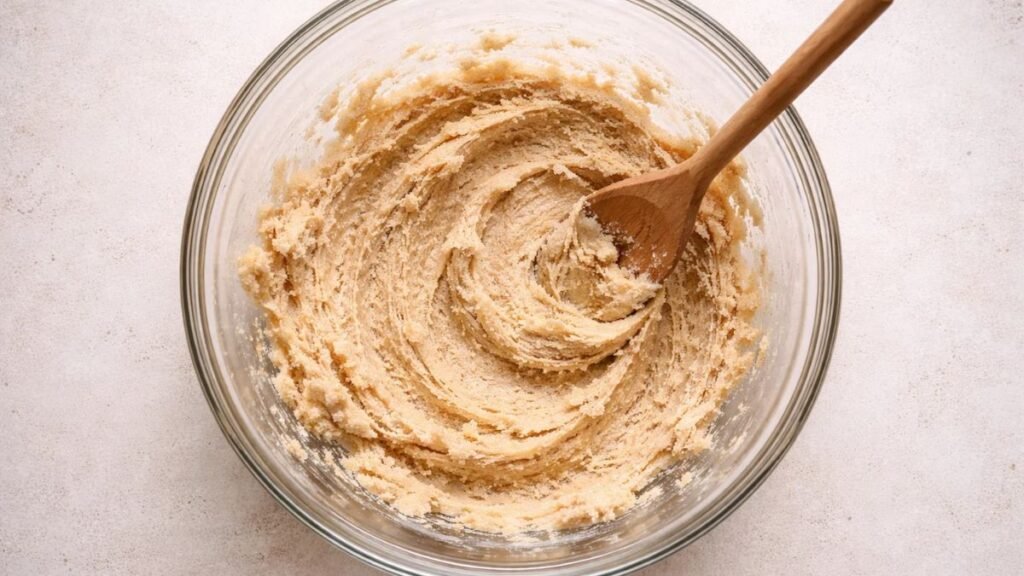
Soft cookies don’t happen by accident. They’re the result of a few very specific choices that work together.
Once you understand those, baking stops feeling like luck—and starts feeling repeatable.
What Actually Creates Chew and Softness
Brown sugar matters more than people realize
It contains molasses, which holds moisture longer than white sugar. That same principle is why baked goods like healthy banana oatmeal muffins stay tender longer than sugar-heavy pastries.
Butter temperature is everything
Soft butter traps air during creaming. Melted butter creates spread and greasiness.
Eggs don’t just bind—they tenderize
Egg proteins set structure while yolks add richness, much like in classic cookie bases such as eggless chocolate chip cookies, where substitutes must replicate that balance.
Bake time controls moisture loss
Pull cookies early, even if they look underdone. They finish cooking on the pan.
Miss one of these and the cookie pays the price.
The Best Soft & Chewy Chipless Cookies Recipe (Bakery-Style)
This recipe has been tested, tweaked, and balanced specifically for texture—not just flavor.
Ingredients (Makes 12–14 cookies)
- ½ cup unsalted butter, softened
- ¾ cup packed light brown sugar
- ¼ cup granulated sugar
- 1 large egg, room temperature
- 1 tablespoon pure vanilla extract
- 1½ cups all-purpose flour
- ½ teaspoon baking soda
- ½ teaspoon fine salt
- 1–2 tablespoons milk (optional, for extra softness)
Step-by-Step Instructions
Step 1: Cream the Butter and Sugars
Beat the butter with both sugars until the mixture looks lighter and slightly fluffy—not shiny or melted.
This step introduces air, which helps the cookies rise gently instead of spreading flat. It’s the same foundational technique used in classic baked desserts like almond flour apple cake.
If the mixture looks greasy, stop. The butter’s too warm.
Step 2: Add Egg and Vanilla
Mix in the egg and vanilla until fully combined. Scrape the bowl.
Uneven mixing here leads to patchy texture later. This is where patience pays off.
Step 3: Mix Dry Ingredients Separately
Whisk flour, baking soda, and salt in a separate bowl.
This prevents dense pockets and keeps leavening evenly distributed—small detail, big payoff.
Step 4: Combine Gently
Add dry ingredients to wet in stages. Mix just until no dry flour remains.
Overmixing activates gluten. That’s how cookies turn tough.
Step 5: Chill the Dough (Yes, It’s Mandatory)
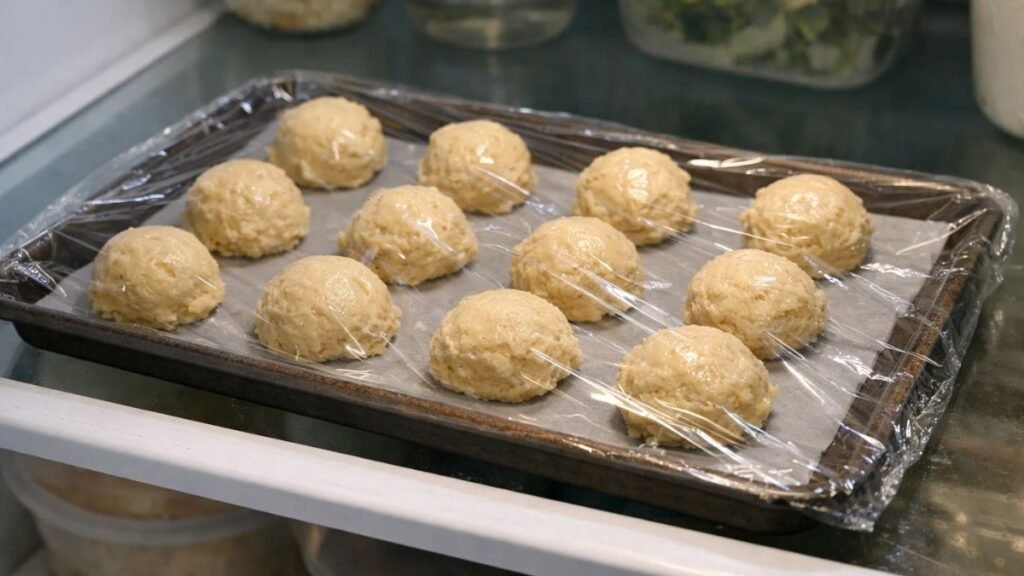
Refrigerate for 30–45 minutes.
Chilling:
- Controls spread
- Improves flavor
- Enhances chew
Skip this and you’ll wonder why your cookies look like pancakes—similar to what happens when rushed dough is baked in recipes like easy sugar cookies.
Step 6: Bake Precisely
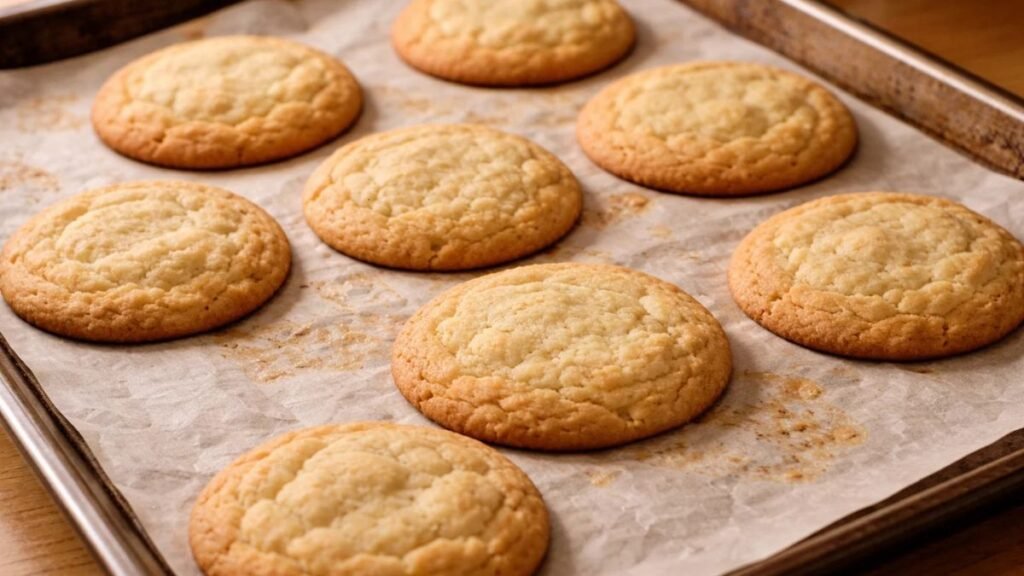
- Preheat oven to 350°F (175°C)
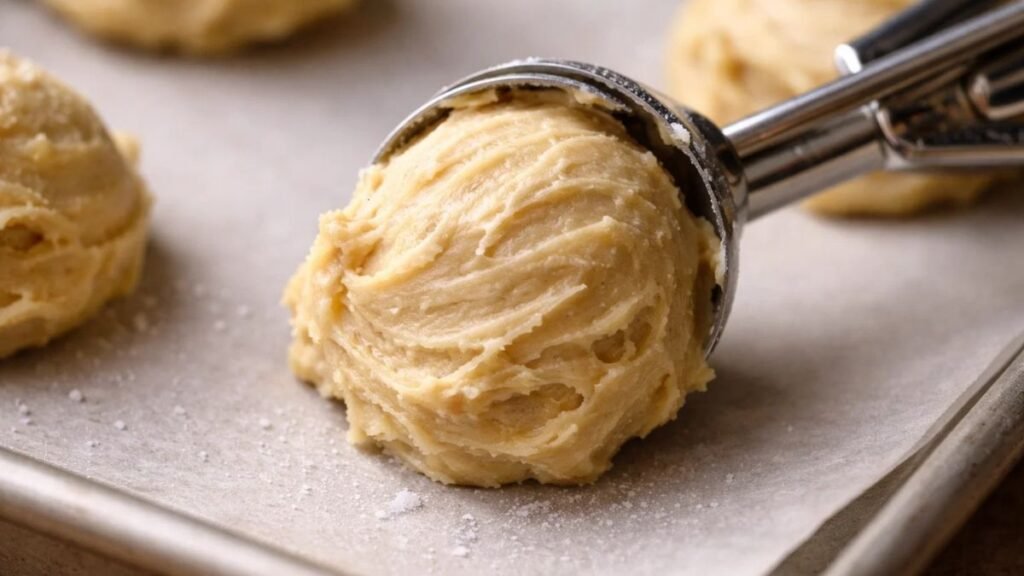
- Scoop 2-tablespoon dough balls
- Space evenly on parchment
- Bake 9–11 minutes
The centers should look slightly underdone when removed. That’s not a mistake—it’s the goal.
Step 7: Let Them Rest
Leave cookies on the pan for 5 minutes before transferring.
This is when structure sets and chew develops. Move them too soon and they collapse.
Baking Time vs Texture (Quick Reference)
| Bake Time | Result |
|---|---|
| 9 minutes | Ultra-soft, pale center |
| 10 minutes | Classic bakery chew |
| 11–12 minutes | Firmer edges, less moisture |
Common Chipless Cookie Problems (And How to Fix Them)
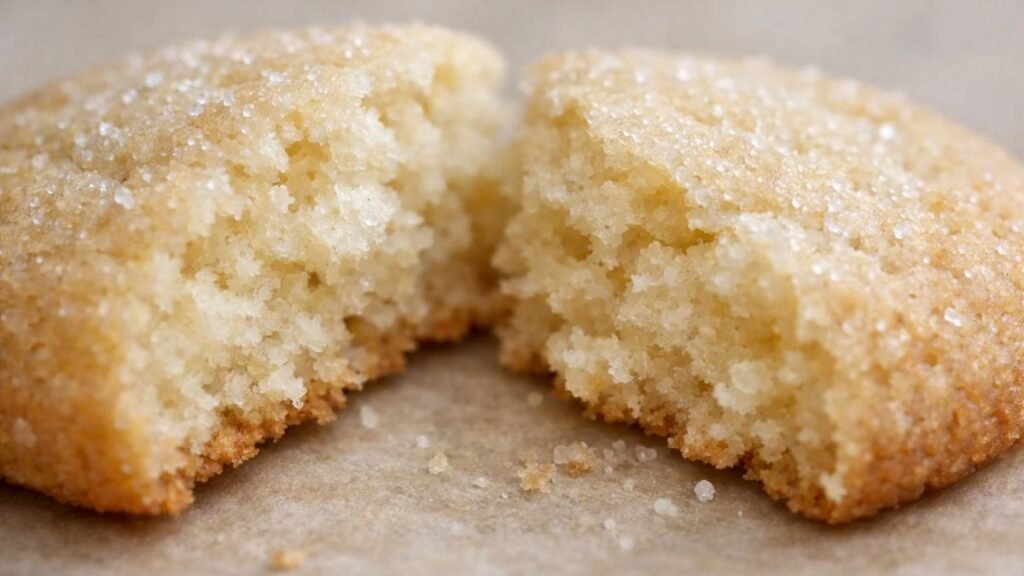
Cookies spread too much
- Butter too warm
- Dough not chilled
- Not enough flour
Cookies taste flat
- Forgot the salt
- Low-quality vanilla
- Under-creamed butter
Cookies are dry the next day
- Overbaked
- Too much flour
- Too little brown sugar
Most cookie problems are mechanical—not mysterious.
Flavor Variations That Keep Them Chipless (But Not Boring)
Once the base works, customization becomes effortless.
Subtle Add-Ins
- ¼ teaspoon cinnamon or nutmeg
- ½ teaspoon almond extract
- Lemon zest for brightness
Bakery-Style Finishes
- Flaky sea salt after baking
- Light honey-butter brush
- Vanilla sugar dusting
These understated upgrades pair beautifully with other minimalist desserts like classic butter-based cakes or simple holiday bakes.
Dietary Adaptations That Actually Work
Eggless Version
Replace the egg with:
- ¼ cup plain yogurt
- or unsweetened applesauce
Dairy-Free
- Use plant-based butter
- Add almond or oat milk
Gluten-Free
- Use a 1:1 gluten-free flour blend
- Chill slightly longer for structure
How to Store Chipless Cookies So They Stay Soft
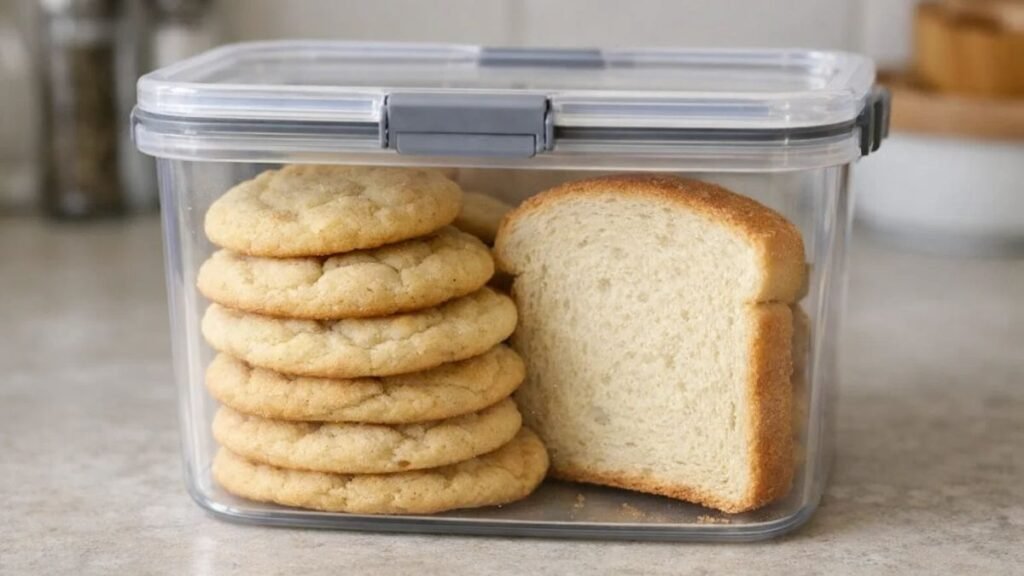
Soft cookies dry out fast—unless you intervene.
Best practices:
- Airtight container
- Room temperature
- Add a slice of bread to maintain moisture
Shelf life:
- 3–4 days fresh
- Up to 2 months frozen (baked)
Freezing Chipless Cookie Dough (Highly Recommended)
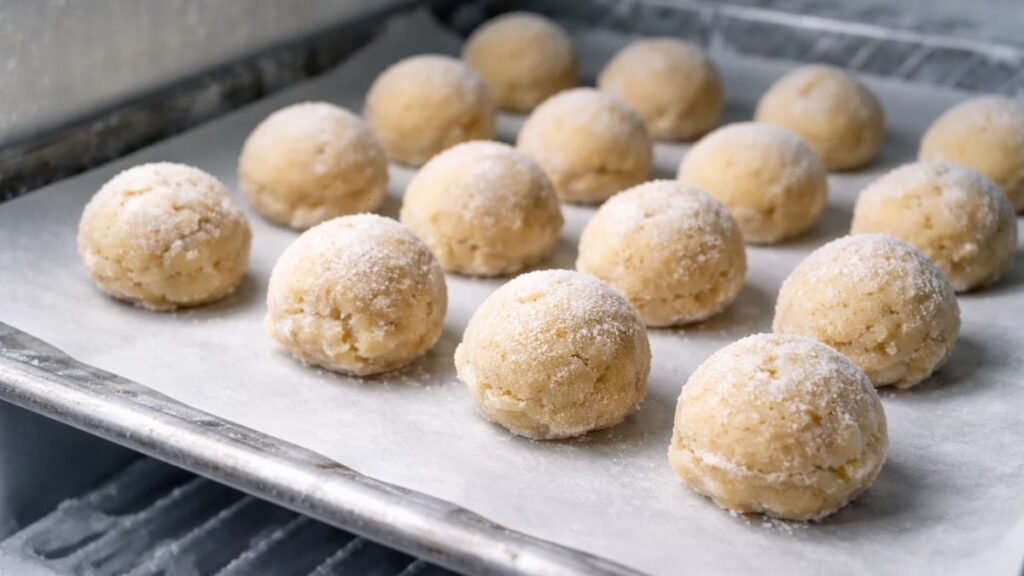
This dough freezes exceptionally well.
How to do it:
- Scoop dough balls
- Freeze until solid
- Store in freezer bag
Bake directly from frozen—just add 1–2 minutes.
Future you will be grateful.
Are Chipless Cookies Healthier?
They’re not health food—but they’re often less sugar-dense than chocolate chip cookies and easier to portion.
You can lighten them by:
- Reducing sugar by 10–15%
- Using half whole-wheat flour
- Slightly reducing butter and adding milk
If you’re already experimenting with lighter desserts like protein oatmeal ideas, this cookie fits nicely into a balanced approach.
Why This Recipe Works
- Brown sugar retains moisture
- Controlled butter temperature prevents spread
- Short bake preserves softness
- Simple ingredients highlight technique
This is how “plain” becomes impressive.
Final Takeaway
Chipless cookies are a reminder that good baking isn’t about excess.
It’s about balance. Timing. Intention.
When the dough is right and the technique is sound, you don’t miss the chocolate. You notice the chew. The warmth. The quiet richness that feels familiar in the best way.
If you’ve dismissed chipless cookies before, this recipe isn’t here to convince you with hype.
It’s here to prove it—one soft, bakery-style bite at a time.
Can I add chocolate later?
Yes—but bake these once without it first. You’ll understand the difference.
Why do my cookies harden overnight?
Overbaking or improper storage. Add bread to the container.
Can I double the recipe?
Absolutely. Chill longer for larger batches.
Are these good for kids?
They’re ideal—mild, soft, and easy to customize.
If you enjoyed this article, don’t forget to follow and subscribe for more health tools, recipes, and news!
Soft & Chewy Chipless Cookies (Bakery-Style)
Equipment
- Mixing Bowl
- Hand mixer or stand mixer
- Measuring cups and spoons
- Rubber Spatula
- Baking sheet
- Parchment paper
- Cookie scoop (optional)
Ingredients
- ½ cup Unsalted butter Softened not melted
- ¾ cup Light brown sugar Packed
- ¼ cup Granulated sugar —
- 1 large Egg Room temperature
- 1 tablespoon Vanilla extract Pure recommended
- 1½ cups All-purpose flour Spooned & leveled
- ½ teaspoon Baking soda —
- ½ teaspoon Fine salt —
- 1 –2 tablespoons Milk Optional for extra softness
Instructions
Cream Butter and Sugars
- In a mixing bowl, beat the softened butter with brown sugar and granulated sugar until light and fluffy, about 2–3 minutes.
Add Egg and Vanilla
- Mix in the egg and vanilla extract until fully incorporated. Scrape down the sides of the bowl.
Combine Dry Ingredients
- In a separate bowl, whisk together flour, baking soda, and salt.
Mix Dough
- Gradually add dry ingredients to the wet mixture. Mix just until no dry flour remains. Do not overmix.
Chill the Dough
- Cover and refrigerate the dough for 30 minutes to control spread and improve texture.
Bake
- Preheat oven to 350°F (175°C). Scoop dough into 2-tablespoon portions and place on a parchment-lined baking sheet.
- Bake for 9–11 minutes, until edges are set and centers look slightly soft.
Rest and Cool
- Let cookies rest on the baking sheet for 5 minutes, then transfer to a wire rack to cool completely.
Notes
- For extra chewiness, slightly underbake the cookies.
- Add flaky sea salt on top after baking for a bakery-style finish.
- Store in an airtight container with a slice of bread to keep cookies soft.
- Dough can be frozen for up to 2 months.

Muhammad Ahtsham is the founder of EatLikeFit.com and a nutrition researcher dedicated to healthy weight management. He provides practical, science-backed advice on high-protein diets and affordable meal planning to help readers achieve their fitness goals simply and effectively.