You’ve done everything right. You dropped the eggs into boiling water, set a timer, and waited — only to crack one open and find a yolk that’s chalky and gray around the edges, or so runny it slides right off your toast.
Many people don’t realize that the difference between a rubbery egg and a rich, creamy one comes down to about 60 seconds of cooking time. That’s really the whole secret.
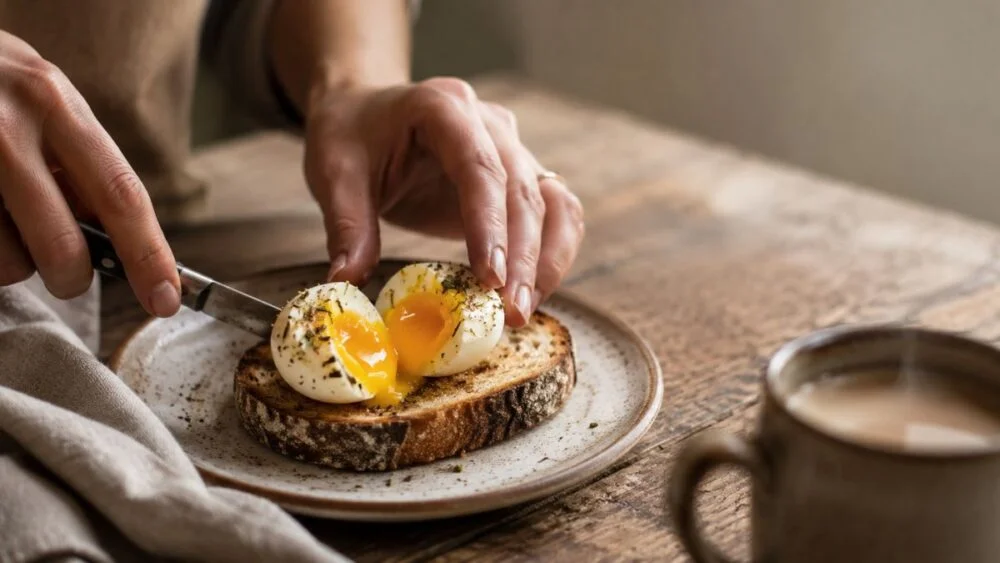
Jammy eggs sit in the narrow, forgiving window between soft-boiled and hard-boiled. The white is fully set, but the yolk stays soft, glossy, and almost spreadable — like the good kind of jam. Once you know the exact timing, plus a couple of small tricks that actually matter, you can make them the same way every single time.
At EatLikeFit, we’ve boiled more test batches than we’d like to admit to nail this down. Below is the exact method we use, the mistakes that trip up most home cooks, and plenty of ways to use jammy eggs beyond breakfast.
Jump To
What Are Jammy Eggs?
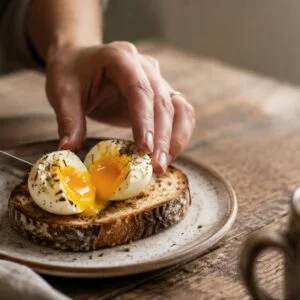
“Jammy eggs” is the name for eggs cooked just past soft-boiled but well short of hard-boiled. The yolk is set enough to hold its shape when sliced, but it’s still soft, glossy, and thick — closer to warm jam than a liquid.
You may already recognize this style of egg from ramen shops, where it’s often called ajitama, or from brunch menus that pair it with avocado toast. The idea is the same everywhere: a firm white on the outside, a rich, almost fudgy yolk in the middle.
Soft-boiled eggs (around 4 to 5 minutes) have a yolk that’s still mostly liquid. Hard-boiled eggs (10 to 12 minutes) have a yolk that’s fully set and can turn chalky if overcooked. Jammy eggs land right in between, at roughly 6 to 7 minutes.
Why It Happens: The Science of a Perfect Yolk
Here’s the part most recipes skip. Egg whites and egg yolks are made of different proteins, and they firm up at different temperatures. Egg white proteins start to set around 180°F, and they do it fast. Yolk proteins set more gradually, starting around 144°F and finishing closer to 158°F.
That gap is exactly why a minute or two of cooking time makes such a big difference. Once the water is boiling, heat has to travel from the shell, through the white, and into the yolk. For the first several minutes, the outer white firms up while the center yolk is still catching up. Pull the egg at 6 to 7 minutes, and the yolk is warm enough to set slightly but not hot enough to fully firm up.
A few other things affect the outcome, too: egg size, how cold the eggs are when they go in, your altitude, and how many eggs are crowded into the pot. This is why the same “boil for 7 minutes” instruction can give two different people two different results. [EXTERNAL REFERENCE: USDA Food Safety and Inspection Service]
Why You’ll Love This Jammy Eggs Recipe
- High in protein. Two eggs give you roughly 12 grams, with almost no effort.
- Fast. Start to finish, you’re looking at about 10 minutes.
- Beginner-friendly. No special skills or gadgets required.
- Budget-friendly. A dozen eggs costs less than almost any other protein source.
- Great for meal prep. Boil a batch on Sunday and use it all week.
- Naturally gluten-free, and easy to make dairy-free.
If you’re trying to build more protein into your morning routine, jammy eggs pair well with the options in our dietitian-approved weight loss breakfast foods guide.
What You’ll Need
Ingredients
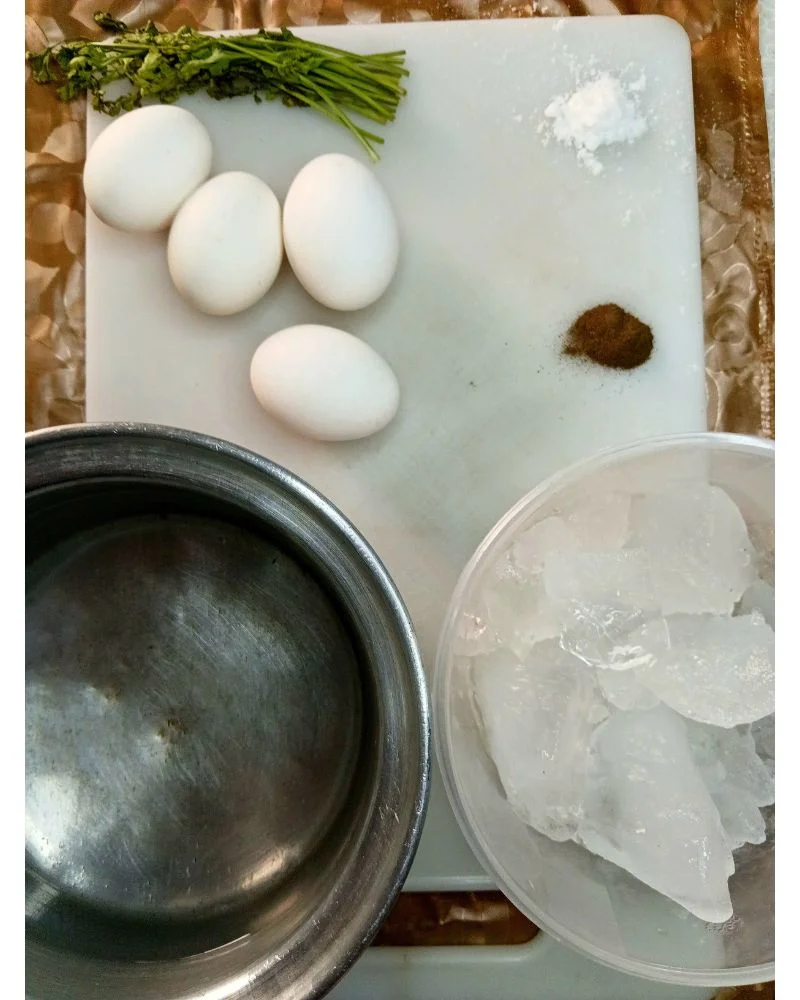
- Large eggs — a few days old peel more easily than very fresh ones
- Water — enough to fully cover the eggs by about an inch
- Ice cubes — a full tray, for the ice bath
- Salt and black pepper — for serving
- Fresh parsley (optional) — for color and freshness
- Chili flakes (optional) — for a little heat
A quick note on freshness: very fresh eggs are actually harder to peel, because the membrane clings tightly to the shell. Eggs that have been in your fridge for 5 to 10 days peel far more cleanly, since the air pocket inside grows and separates the membrane slightly.
Kitchen Equipment
- Medium saucepan
- Slotted spoon
- Mixing bowl (for the ice bath)
- Paring knife
- Kitchen timer
Nothing fancy here. If you can boil water, you can make this recipe.
How to Make Jammy Eggs
Step 1: Bring the Water to a Full Boil
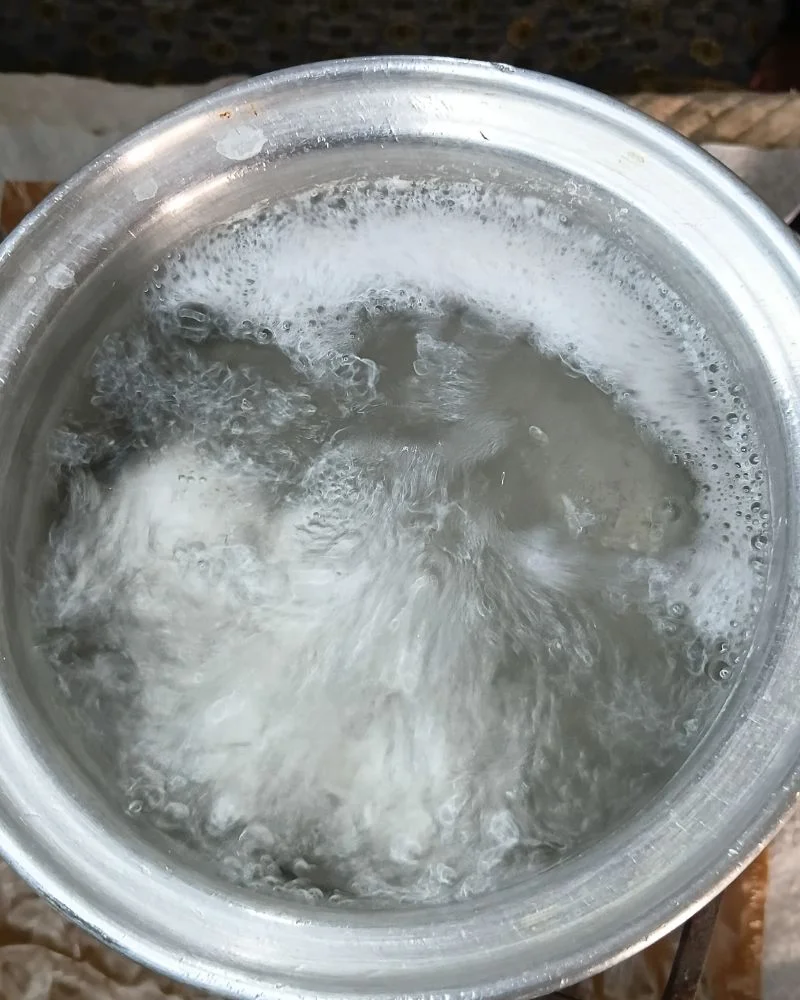
Fill your saucepan with enough water to cover the eggs by about an inch. Bring it to a full, rolling boil over high heat before adding anything else. Starting the clock too early is one of the most common reasons jammy eggs turn out inconsistent.
Step 2: Lower the Eggs In Carefully
Using a slotted spoon, gently lower each egg into the boiling water one at a time. This helps prevent cracking. Eggs straight from the fridge work fine — there’s no need to bring them to room temperature first.
Step 3: Cook for 6 to 7 Minutes
Start your timer the moment the last egg goes in. For a soft, glossy jammy yolk, cook for 6 minutes. For a slightly firmer, fudgier yolk that holds up better in salads or bowls, go with 7 minutes.
Step 4: Transfer to an Ice Bath
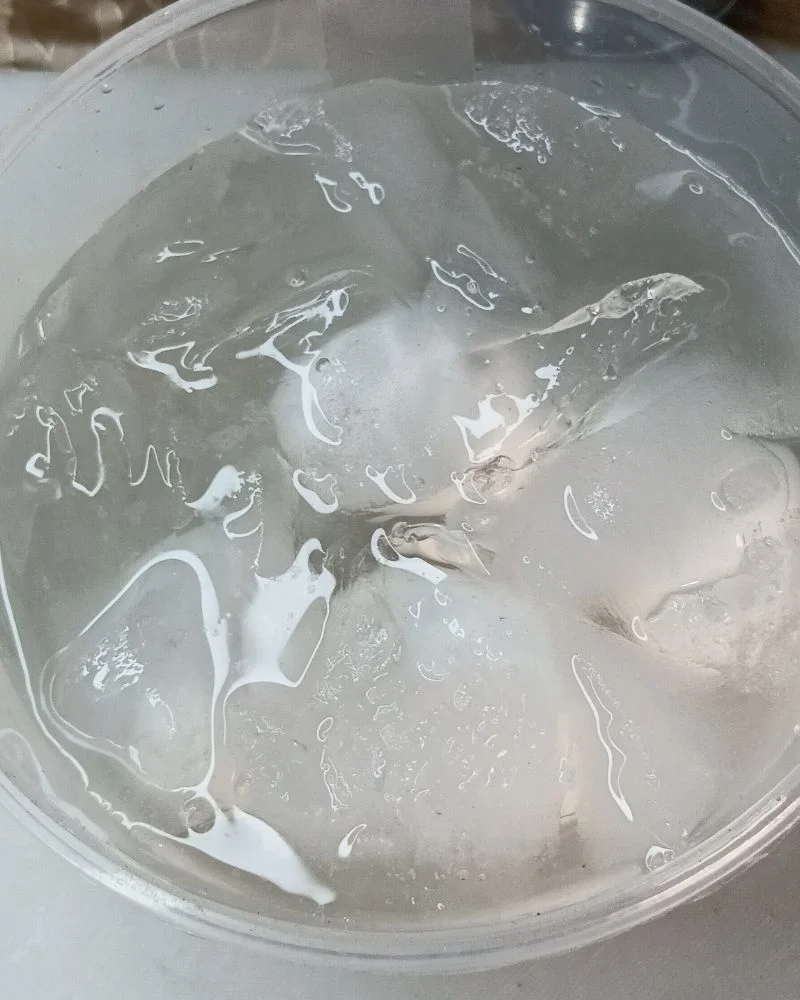
The moment the timer goes off, move the eggs directly into a bowl of ice water. Let them sit for at least 5 minutes. This step matters more than people realize — it stops the cooking instantly, so the yolk doesn’t keep firming up from residual heat.
Step 5: Peel Gently
Tap each egg gently on the counter to crack the shell all over, then peel under cool running water. The water helps separate the membrane from the egg without tearing the delicate white.
Step 6: Slice and Serve
Use a sharp knife to slice each egg in half lengthwise. Season with salt, pepper, and any optional toppings, and serve right away for the best texture.
Egg Cooking Time Chart
| Cook Time | Yolk Texture | Best For |
|---|---|---|
| 5 minutes | Very runny, liquid center | Ramen, dipping sauces |
| 6 minutes | Soft, glossy, jammy | Toast, salads |
| 7 minutes | Firm jammy, fudgy | Rice bowls, meal prep |
| 9 minutes | Mostly set, slightly soft center | Deviled eggs |
| 12 minutes | Fully hard-boiled | Egg salad, snacking |
Serving Ideas
One of the best things about jammy eggs is how many ways you can use them.
- On toast. Sourdough with a little olive oil, sea salt, and chili flakes.
- On a salad. Sliced over greens for extra protein — our salad meal prep ideas has plenty of pairing options.
- In ramen. The traditional way, similar to Japanese ajitama, and close in spirit to our soy sauce eggs recipe.
- Over a rice or grain bowl. Add soy sauce, sesame oil, and scallions.
- On a breakfast plate. Pairs nicely with a high-protein yogurt bowl for a balanced start to the day.
- In a sandwich. A jammy egg works as a satisfying swap for mayo-based fillings.
Jammy Eggs vs. Soft-Boiled vs. Hard-Boiled
| Time | Jammy Eggs | Soft-Boiled | Hard-Boiled |
|---|---|---|---|
| Cook time | 6–7 minutes | 4–5 minutes | 10–12 minutes |
| Yolk | Creamy, holds shape when sliced | Liquid, runny | Fully set, can be dry |
| White | Fully set | Mostly set | Fully set |
| Best uses | Toast, ramen, bowls, salads | Dipping, “egg soldiers” | Egg salad, deviled eggs |
Storage and Make-Ahead Tips
Unpeeled jammy eggs keep in the fridge for up to 5 days, though the yolk is at its best within the first day or two. Once peeled, try to eat them within 24 hours, since the texture changes the longer they sit.
For meal prep, boil a batch on the weekend and store the eggs unpeeled. Peel just what you need, when you need it. If you do need to store peeled eggs, keep them submerged in water in a covered container to help protect the texture.
Jammy eggs aren’t a great candidate for reheating in the microwave, since the yolk will keep cooking and lose its texture. If you want them warm, dip the whole egg — still in its shell — into hot water for about 30 seconds before peeling.
Variations to Try
- Everything bagel jammy eggs — sprinkle with everything bagel seasoning
- Spicy chili oil eggs — finish with a drizzle of chili crisp
- Garlic butter eggs — sauté peeled eggs briefly in garlic butter
- Smoked paprika eggs — dust with smoked paprika and flaky salt
- Marinated eggs — soak peeled eggs in a mix of soy sauce, mirin, and a little sugar for a few hours for a deeper, savory flavor
- Duck egg version — for a richer, larger yolk, try our duck eggs recipes guide, and add 1 to 2 extra minutes of cook time to account for the bigger size
Nutrition Information
Based on two large eggs:
- Calories: about 140–155
- Protein: about 12 grams
- Fat: about 10 grams
- Carbohydrates: less than 1 gram
- Fiber: 0 grams
Eggs are considered a complete protein, meaning they provide all nine essential amino acids your body needs but can’t make on its own.
Common Mistakes to Avoid
- Cooking too long. Even 60 to 90 extra seconds can turn a jammy yolk fully solid.
- Skipping the ice bath. Residual heat keeps cooking the egg after you take it out of the water.
- Adding eggs before the water boils. This throws off your timing and leads to inconsistent results.
- Overcrowding the pot. Too many eggs at once cools the water and slows cooking unevenly.
- Using extremely fresh eggs. They’re harder to peel cleanly, which can tear the white.
Expert Tips for Perfect Jammy Eggs
- Use eggs that are 5 to 10 days old for the easiest peeling.
- Only start your timer once the water is at a full, rolling boil.
- Prepare your ice bath before you start boiling, not after.
- Peel under running water to help loosen the shell.
- If you’re new to this, start with 6 eggs or fewer until you’re confident with your stove’s timing.
Who Can Benefit From This Recipe
- People trying to add more protein to their day without extra prep time
- Anyone following a low-carb, keto, or Mediterranean-style way of eating
- Busy professionals who need a fast, filling breakfast
- Parents building lunches or bowls the whole family will eat
- Anyone doing weekly meal prep — for more make-ahead ideas, see our hunger-crushing snacks for weight loss guide.
When to Seek Medical Advice
Because the yolk in a jammy egg isn’t fully cooked, it carries a small risk of foodborne illness from salmonella, similar to soft-boiled or poached eggs. This risk is low for most healthy adults, but the CDC advises that pregnant women, young children, older adults, and anyone with a weakened immune system use pasteurized eggs or cook eggs fully to reduce that risk.
If you have a diagnosed egg allergy, jammy eggs — or any preparation of eggs — aren’t appropriate, and you should talk with an allergist before trying to reintroduce them.
If you’re managing high cholesterol or heart disease, ask your doctor or a registered dietitian how eggs fit into your specific plan. Research on dietary cholesterol and heart health has shifted over the years, and individual guidance matters more than general rules.
Practical Daily Habits
- Boil a batch on Sunday and keep them unpeeled in the fridge for grab-and-go protein all week.
- Pair jammy eggs with a fiber source, like whole grain toast or greens, for a more balanced plate.
- Keep pre-washed greens or frozen vegetables on hand so you can turn eggs into a full bowl in minutes.
- Use a jammy egg instead of a mayo-based spread on sandwiches to add protein without much extra fat.
Helpful EatLikeFit Tools
A few free tools on our site can help you get more out of this recipe:
- Reverse BMI Calculator — useful if you’re working backward from a goal weight to figure out a realistic daily calorie or protein target.
- Recipe Converter Calculator — handy for scaling this recipe up for a family breakfast or down for a single meal-prep portion.
- PCOS Protein Calculator — helpful if you’re tracking daily protein needs, especially as eggs become a regular part of your routine.
FAQs
How long do jammy eggs take to cook?
Jammy eggs typically take 6 to 7 minutes in boiling water, plus about 5 minutes in an ice bath afterward. The exact time depends on how soft or firm you like the yolk.
Why are my jammy eggs turning out hard?
This usually means the eggs cooked too long, or they sat too long before hitting the ice bath. Try pulling them at 6 minutes and moving them to ice water immediately.
Can I use medium or extra-large eggs instead of large?
Yes, but adjust the time slightly. Medium eggs may need about 30 seconds less; extra-large eggs may need 30 to 60 seconds more.
Can I make jammy eggs ahead of time?
Yes. Store them unpeeled in the fridge for up to 5 days, and peel just before eating for the best texture.
Can I use jammy eggs in ramen?
Yes. This is actually one of the most popular uses. Many ramen shops marinate jammy eggs in a soy-based sauce overnight for extra flavor.
Final Thoughts
Jammy eggs are one of those small kitchen skills that pay off constantly. Once you’ve nailed the timing, you have a fast, protein-rich topping ready for almost anything in your fridge. Try it once this week with a 6-minute batch, and see for yourself how different it is from the eggs you grew up boiling.
If you give this a try, we’d love to hear how it turned out and what you served it with.
Visit our official website for more healthy recipes, nutrition tips, wellness guides, and powerful health tools:
🌐 Visit EatLikeFit.com
Jammy Eggs
Equipment
- Medium saucepan
- Slotted spoon
- Mixing Bowl
- Paring knife
- Kitchen timer
Ingredients
- 4 Large Eggs 5–10 days old peel more easily than very fresh eggs
- 6 Cups Water Enough to cover the eggs by about 1 inch
- 1 Tray Ice cubes For the ice bath
- To taste — Salt Season to taste
- To taste — Black pepper Season to taste
- 1 Tbsp Fresh parsley chopped Optional, for garnish
- 1 Tsp Chili flakes Optional for garnish
Instructions
- Bring the water to a full boil. Fill the saucepan with enough water to cover the eggs by about an inch and bring it to a full, rolling boil over high heat.
- Lower the eggs in carefully. Using a slotted spoon, gently lower each egg into the boiling water one at a time to prevent cracking.
- Cook for 6 to 7 minutes. Start your timer the moment the last egg goes in. 6 minutes gives a softer, glossier yolk; 7 minutes gives a firmer, fudgier one.
- Transfer to an ice bath. The moment the timer goes off, move the eggs straight into a bowl of ice water and let them sit for at least 5 minutes.
- Peel gently. Tap each egg on the counter to crack the shell all over, then peel under cool running water.
- Slice and serve. Cut each egg in half lengthwise, season with salt and pepper, and serve immediately.
Video
Notes

Muhammad Ahtsham is the founder of EatLikeFit.com and a nutrition researcher dedicated to healthy weight management. He provides practical, science-backed advice on high-protein diets and affordable meal planning to help readers achieve their fitness goals simply and effectively.