

If you’ve ever stood in a specialty grocery store staring at a carton of tiny speckled eggs, wondering if they’re worth the extra cost, you’re not alone. Quail eggs have quietly become one of the most talked-about additions to health-conscious kitchens, showing up on ramen bowls, charcuterie boards, and in the meal-prep containers of people chasing more protein without more calories.
Many people don’t realize that ounce for ounce, a quail egg actually holds its own against a chicken egg — and in a few categories, it pulls ahead. The confusion usually comes down to size. Because quail eggs are so small, people assume they’re nutritionally insignificant. That’s not quite the full picture.
In this guide, we’ll break down exactly what quail eggs offer, how they compare to chicken eggs, who benefits most from adding them to a meal plan, and how many you can reasonably eat in a day. No hype, no miracle claims — just a clear, practical look at what the research actually says.
Jump To
What Are Quail Eggs?
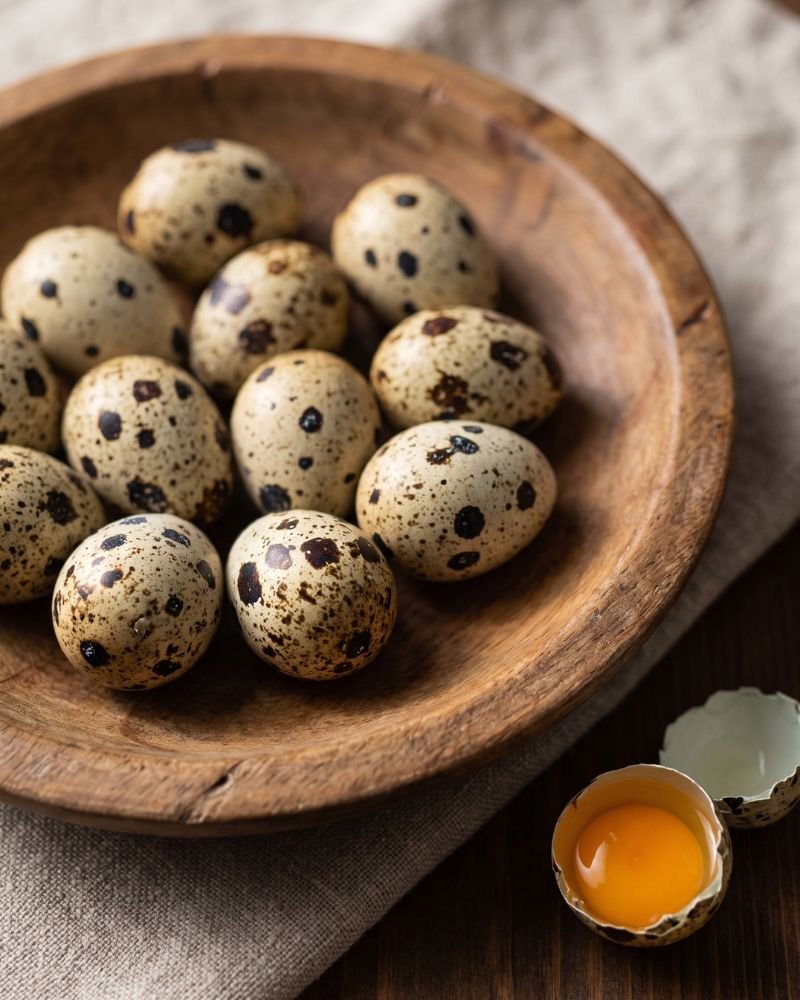
Quail eggs come from the common quail (Coturnix coturnix), a small game bird raised across parts of Asia, Europe, and increasingly in the United States. They’re roughly a fifth the size of a standard chicken egg, with a distinctive cream-colored shell speckled in brown and black.
You’ll typically find them in Asian grocery stores, farmers markets, or specialty food shops, sold either fresh in the shell or pre-boiled and packaged for convenience. In many Asian cuisines, quail eggs have been used for centuries — pickled, boiled into ramen, skewered as street food, or served raw over rice.
What’s changed recently is how mainstream nutrition circles are talking about them. As more people search for compact, nutrient-dense foods that fit into high-protein or low-calorie eating patterns, quail eggs have found a new audience among home cooks who want more from a small package.
Quail Eggs Nutrition Facts
Here’s what one quail egg (about 9 grams) typically provides, based on USDA nutrient data:
| Nutrient | Per 1 Quail Egg (9g) | Per 1 Large Chicken Egg (50g) |
|---|---|---|
| Calories | ~14 | ~72 |
| Protein | ~1.2g | ~6.3g |
| Fat | ~1g | ~5g |
| Cholesterol | ~76mg | ~186mg |
| Vitamin B12 | ~6% DV | ~6% DV |
| Iron | ~2% DV | ~3% DV |
| Selenium | ~5% DV | ~15% DV |
| Riboflavin (B2) | ~6% DV | ~15% DV |
At first glance, the chicken egg looks like the clear winner because it’s simply bigger. But when you scale both eggs to the same weight (say, 100 grams), quail eggs edge out chicken eggs in protein density, vitamin B12, and iron. This is the detail most articles skip — and it’s the reason quail eggs have earned their reputation as a “nutrient-dense” food rather than just a novelty ingredient.
10 Science-Backed Quail Eggs Benefits
1. Rich in High-Quality Protein
Quail eggs contain all nine essential amino acids, making them a complete protein source — the same category as chicken eggs, fish, and lean meat. This matters because complete proteins support muscle repair, immune function, and the production of enzymes and hormones your body needs every day.
Because they’re small, you’ll need to eat several to match the protein of a chicken egg, but the protein quality itself is comparable. Egg protein is often used as a reference standard for measuring the protein quality of other foods.
2. Packed With Vitamins
Quail eggs are a solid source of B-complex vitamins, particularly B12, B2 (riboflavin), and B1 (thiamine). These vitamins play a role in converting food into usable energy and supporting healthy nervous system function.
They also contain vitamin A, which supports vision and immune health, and small amounts of vitamin D, which many Americans fall short on, especially during winter months.
3. Support Muscle Growth
The combination of complete protein and B vitamins makes quail eggs a reasonable addition to a muscle-building or muscle-maintaining diet. Protein provides the amino acid building blocks for muscle repair after exercise, while B vitamins help your body actually use that protein efficiently.
At EatLikeFit, we often recommend pairing quail eggs with a fiber-rich carbohydrate — like our Easy Chickpea Rice Recipe — to build a more balanced post-workout plate.
4. Help You Stay Full Longer
Protein and fat are two of the most satiating nutrients, meaning they help slow digestion and reduce hunger between meals. A few quail eggs added to a salad, soup, or breakfast bowl can help take the edge off cravings without adding a large number of calories.
This is one reason quail eggs have found a following among people focused on weight management — they offer satiety without the calorie load of heavier protein sources.
5. Rich in Iron
Iron is essential for producing hemoglobin, the protein in red blood cells that carries oxygen throughout your body. Low iron intake is linked to fatigue, poor concentration, and in more serious cases, anemia.
Quail eggs contain more iron per gram than chicken eggs, which can make them a useful addition for people trying to boost iron intake through food, particularly those following a mostly plant-based diet who still eat eggs.
6. Good Source of Healthy Fats
The fat in quail eggs is concentrated in the yolk and includes a mix of monounsaturated and polyunsaturated fats, along with small amounts of omega-3 fatty acids. These fats support hormone production, cell health, and the absorption of fat-soluble vitamins like A, D, E, and K.
Yes, quail eggs do contain cholesterol — proportionally more than chicken eggs by weight. But current research suggests dietary cholesterol has a smaller effect on blood cholesterol levels for most healthy people than once believed, though people with existing heart conditions or high cholesterol should still monitor their intake with a doctor’s guidance.
7. Support Eye Health
Quail eggs contain lutein and zeaxanthin, two antioxidants that accumulate in the retina and are associated with reduced risk of age-related eye conditions like macular degeneration. While quail eggs aren’t the richest source of these compounds compared to leafy greens, they contribute a small but meaningful amount, especially when eaten regularly as part of a varied diet.
8. Easy Portion Control
Because quail eggs are naturally small, they lend themselves to easy, built-in portion control. Instead of guessing how much of a large protein source to eat, you can simply count eggs — a helpful visual cue for people who prefer structure without strict calorie counting.
This makes them a practical choice for meal preppers, and pairs well with tools like our Recipe Cost Calculator if you’re trying to plan batch meals on a budget.
9. Great for Balanced Breakfasts
A few boiled quail eggs alongside whole grains, fruit, and healthy fats can round out a breakfast that includes protein, fiber, and micronutrients — a combination associated with steadier energy and fewer mid-morning cravings.
If you’re looking for more breakfast inspiration built around this same idea, our guide to Dietitian-Approved Weight Loss Breakfast Foods walks through several practical combinations.
10. Delicious and Versatile
Beyond the nutrition numbers, quail eggs simply taste good — slightly richer and creamier than chicken eggs, with a similar but more concentrated flavor. They work boiled, fried, pickled, or soft-cooked, and their small size makes them a fun, elegant addition to salads, ramen, avocado toast, or appetizer boards.
Quail Eggs vs Chicken Eggs
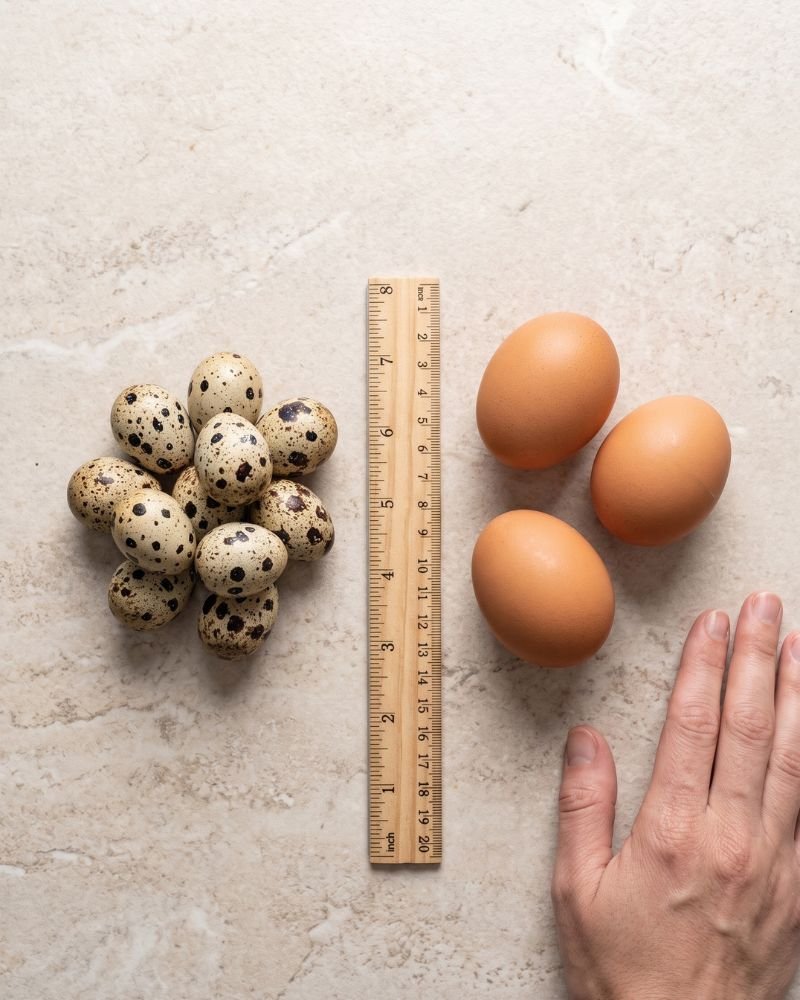
| Category | Quail Eggs | Chicken Eggs |
|---|---|---|
| Size | ~9g each | ~50g each |
| Protein (per 100g) | Higher | Lower |
| Vitamin B12 (per 100g) | Higher | Lower |
| Iron (per 100g) | Higher | Lower |
| Cholesterol (per 100g) | Higher | Lower |
| Shelf Life | Slightly longer due to thicker membrane | Standard |
| Allergen Risk | Can trigger reactions in people allergic to chicken eggs | Common allergen |
| Cost | Generally more expensive per gram | More affordable |
| Best Use | Garnishes, appetizers, nutrient-dense snacking | Everyday cooking staple |
The honest takeaway: neither egg is objectively “better.” Chicken eggs are more practical and affordable for everyday cooking, while quail eggs offer a nutrient-dense, portion-controlled option that’s fun to incorporate occasionally or regularly, depending on your goals and budget.
Are Quail Eggs Good for Weight Loss?
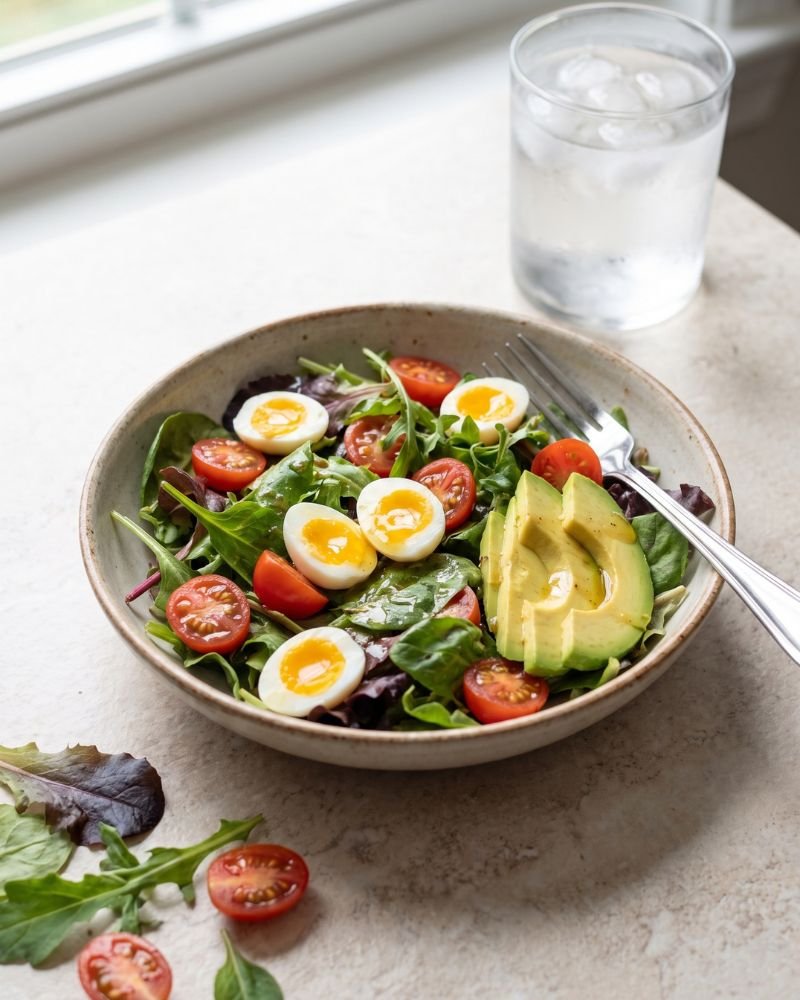
Quail eggs aren’t a magic weight-loss food — no single food is — but they can fit well into a weight-management plan. Their high protein-to-calorie ratio means you get meaningful satiety without a large calorie contribution, which can help with overall appetite control throughout the day.
A realistic approach looks like this: add 3–4 boiled quail eggs to a salad or grain bowl instead of relying solely on higher-calorie toppings like cheese or creamy dressings. It’s a small swap, but one small habit can make a big difference when repeated consistently.
If you’re building out a broader weight-loss eating pattern, our collection of Hunger-Crushing Snacks for Weight Loss covers other protein-forward options that pair well with quail eggs throughout the week.
How Many Quail Eggs Can You Eat Per Day?
For most healthy adults, 4–6 quail eggs per day is a reasonable amount, roughly equivalent to 1–1.5 chicken eggs in terms of overall nutrient and cholesterol contribution. This isn’t a strict rule — it’s a practical guideline based on matching typical chicken egg recommendations, which most health organizations consider safe for daily consumption in the context of an overall balanced diet.
People managing high cholesterol, cardiovascular disease, or diabetes should check with a healthcare provider about a personalized limit, since individual tolerance for dietary cholesterol varies.
Common Mistakes
- Assuming more is automatically better. Quail eggs are nutrient-dense, but eating a dozen or more daily without adjusting the rest of your diet can push cholesterol and calorie intake higher than intended.
- Skipping the shell check. Because quail eggs are small and often sold pre-packaged, it’s easy to overlook cracked or improperly stored eggs. Always check for intact shells and proper refrigeration.
- Overcooking them. Their small size means they cook fast — boiling for more than 3–4 minutes can leave the yolk dry and chalky.
- Treating them as a cholesterol-free swap. Some people assume smaller eggs mean less cholesterol overall, but per egg, quail eggs still contain a meaningful amount relative to their size.
- Ignoring allergy risk. People with chicken egg allergies aren’t automatically safe with quail eggs, and cross-reactivity is possible.
Expert Tips
- Boil quail eggs for 3 minutes for a soft-set yolk, or 4 minutes for a fully firm one — then transfer immediately to ice water to make peeling easier.
- Batch-boil a dozen at the start of the week; they hold up well in the fridge for snacking or quick meal additions.
- Add them to grain bowls, noodle soups, or salads for a protein boost without heaviness.
- Pickled quail eggs (in a simple vinegar brine) make a tangy, protein-rich snack that keeps for about two weeks refrigerated.
- If you’re new to quail eggs, start with 2–3 per serving to see how your body responds before increasing your intake.
Who Can Benefit
- Active adults and strength trainers looking for an easy way to add complete protein to meals.
- People managing weight who want a satiating, portion-controlled protein source.
- Those with mild iron deficiency looking to increase dietary iron intake, alongside other iron-rich foods.
- Home cooks who enjoy variety and want to elevate simple dishes with texture and visual appeal.
- People with chicken egg sensitivities who tolerate quail eggs well (though this should be confirmed with a doctor, not assumed).
When To Seek Medical Advice
Quail eggs are safe for most healthy adults, but you should check with a doctor or registered dietitian before adding them regularly to your diet if you:
- Have a diagnosed egg allergy of any kind
- Are managing high LDL cholesterol or a history of cardiovascular disease
- Have gallbladder issues, since high-fat foods can sometimes trigger symptoms
- Are pregnant and unsure about safe egg preparation and sourcing
- Notice any signs of an allergic reaction after eating quail eggs for the first time, such as hives, swelling, or digestive discomfort
Practical Daily Habits
Small, consistent habits tend to work better than dramatic overhauls. Here’s how you might realistically work quail eggs into a week of eating:
- Add 2–3 boiled quail eggs to your morning oatmeal or avocado toast for extra protein.
- Toss a handful into a lunchtime salad instead of croutons or extra cheese.
- Keep a jar of pickled quail eggs in the fridge for a quick afternoon snack.
- Use them as a garnish on soups or grain bowls for texture and a protein boost.
- Rotate them with chicken eggs throughout the week rather than replacing one entirely with the other.
Helpful EatLikeFit Tools
If you’re trying to build quail eggs — or any new ingredient — into a more structured eating plan, a few free tools can make the process easier:
BMI Calculator Our Reverse BMI Calculator helps you understand your current standing and set realistic targets, which is especially useful if you’re adjusting your protein intake as part of a broader weight or fitness goal.
Recipe Converter Calculator Scaling a recipe up or down to fit quail eggs into a family-size dish (or a single-serving one) is easier with our Recipe Converter Calculator, which automatically adjusts ingredient amounts for you.
Recipe Cost Calculator Since quail eggs can be pricier than chicken eggs, our Recipe Cost Calculator helps you see exactly how much a dish costs per serving, so you can decide when quail eggs are worth the splurge and when a chicken egg swap makes more sense.
These tools are especially helpful for anyone meal-prepping on a budget or tracking progress toward a specific nutrition goal.
FAQs
Are quail eggs healthier than chicken eggs?
Not necessarily “healthier” — they’re nutritionally comparable, with quail eggs being more nutrient-dense per gram. Chicken eggs remain a more practical everyday choice due to size and cost, while quail eggs work well as a nutrient-dense addition or garnish.
Can you eat quail eggs every day?
Yes, for most healthy adults, eating 4–6 quail eggs daily is generally considered safe as part of a balanced diet. People with cholesterol concerns should check with a doctor first.
Are quail eggs high in cholesterol?
Yes, proportionally, quail eggs contain more cholesterol per gram than chicken eggs. However, current research suggests dietary cholesterol has less impact on blood cholesterol for most healthy people than previously thought. Those with existing heart conditions should still monitor intake.
Can you eat quail eggs raw?
It’s possible, but raw eggs of any kind carry a small risk of salmonella. Cooking quail eggs until the whites and yolks are set is the safer choice, especially for pregnant women, young children, older adults, or anyone with a weakened immune system.
Final Thoughts
Quail eggs aren’t a trendy gimmick — they’re a genuinely nutrient-dense food that’s earned a place in a balanced, health-conscious kitchen. They won’t replace chicken eggs as an everyday staple for most households, largely due to cost and size, but as an occasional or regular addition, they bring real nutritional value along with a bit of culinary fun.
If you’re looking for a simple way to boost protein, iron, and B vitamins without piling on extra calories, a few quail eggs a day is a small, sustainable habit worth trying. As always, pay attention to how your body responds, and check in with a healthcare provider if you have any underlying health conditions.
For more ways to round out a balanced plate, take a look at our Mediterranean Diet Dinner Ideas or our 5-Ingredient Chicken Salad Recipe for another easy, protein-forward meal.

Muhammad Ahtsham is the founder of EatLikeFit.com and a nutrition researcher dedicated to healthy weight management. He provides practical, science-backed advice on high-protein diets and affordable meal planning to help readers achieve their fitness goals simply and effectively.