
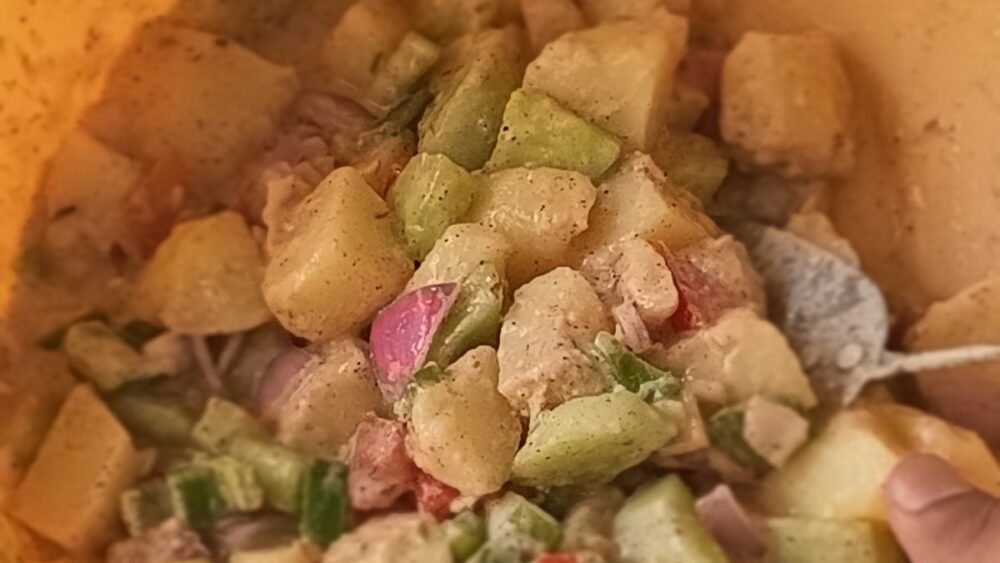
There’s something almost nostalgic about a great potato salad. It shows up at every backyard cookout, every summer potluck, every lazy Sunday lunch and somehow it always disappears first. But here’s the thing most people don’t realize: the version your aunt made with a mountain of mayo and not much else? It’s not the only way. In fact, it’s far from the best way.
This red potato salad recipe changes everything. It’s creamy without being heavy, loaded with fresh vegetables, and built around a tangy yogurt dressing that keeps things light without sacrificing any of the flavor. Whether you’re making it for a family cookout or just want a satisfying side dish to last you through the week, this recipe delivers.
By the end of this guide, you’ll know exactly how to make it, how to store it, what to pair it with, and how to avoid the most common mistakes that ruin a perfectly good potato salad.
Jump To
A healthy red potato salad uses boiled red potatoes (skin-on), plain Greek yogurt, red onion, green pepper, tomatoes, garlic, and simple seasonings like salt, pepper, and a touch of mustard. Mix and chill for at least an hour before serving. No mayo required.
Why This Healthy Red Potato Salad Is So Popular
Red potato salad has been trending in home kitchens across the U.S. for good reason. It’s not just that it looks beautiful — those deep red skins holding their shape against the creamy white dressing make for a visually stunning dish. It’s that it actually holds up.
Unlike salads made with russet potatoes that tend to turn mushy and fall apart, red potatoes stay firm even after boiling and mixing. That means better texture in every bite and a dish that still looks great the next day.
The shift toward yogurt-based dressings also plays a huge role. As more people look for ways to eat satisfying, real food without overshooting their calorie goals, the classic mayo-heavy potato salad has gotten a healthy makeover and this version is proof that the swap works beautifully.
Ingredients You’ll Need
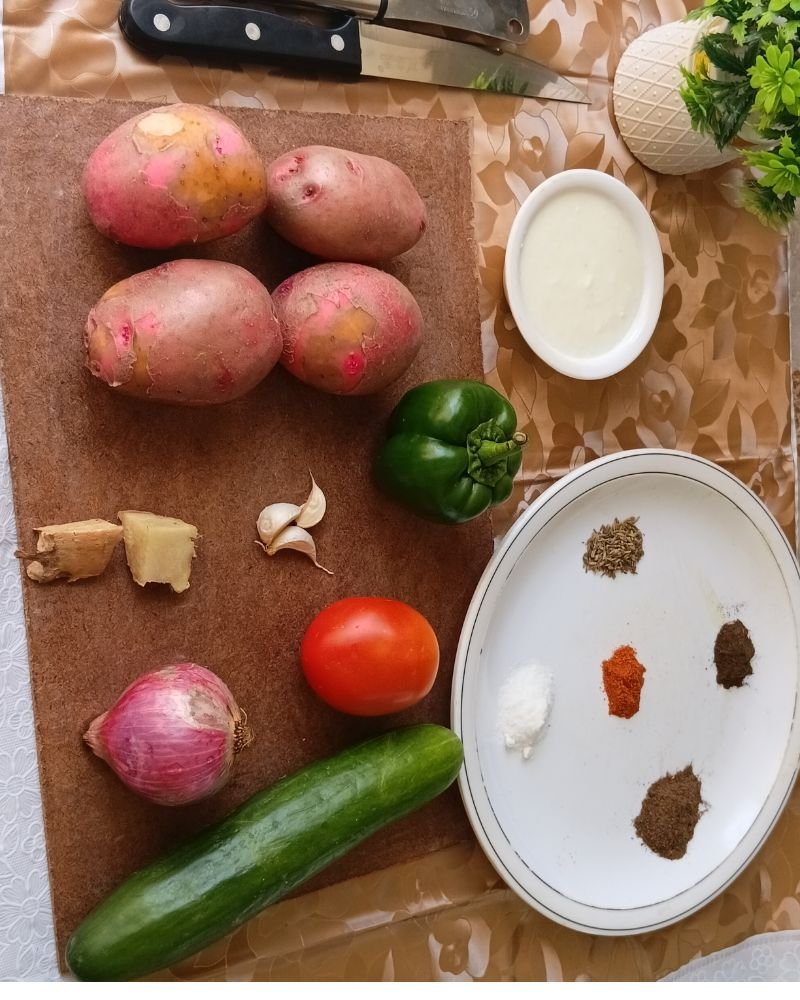
This recipe keeps things simple. Every ingredient earns its place.
Red Potatoes
Use about 2 pounds of small to medium red potatoes. Leave the skin on — it adds texture, color, and nutrients. Red potatoes have a naturally waxy texture that holds together well after cooking.
Greek Yogurt
Plain, full-fat Greek yogurt is the base of the dressing. It’s thick, tangy, and packed with protein. It mimics the creaminess of mayo without the heavy fat load. About ½ cup works well for 2 pounds of potatoes.
Red Onion
Half a red onion, finely diced. Red onion brings sharpness and a pop of color. If raw onion is too intense for you, soak the diced pieces in cold water for 10 minutes before adding — it takes the edge off dramatically.
Green Pepper
One small green bell pepper, chopped. It adds crunch, freshness, and a slightly bitter note that balances the creaminess of the dressing.
Tomatoes
One cup of cherry tomatoes, halved, or one medium Roma tomato, diced. Tomatoes add juiciness and a mild sweetness. Add them last so they don’t make the salad watery.
Garlic
Two cloves, minced. Fresh garlic gives the dressing a savory backbone. Don’t skip this — it makes a real difference.
Simple Seasonings
- 1 teaspoon Dijon mustard
- 1 tablespoon apple cider vinegar
- Salt and black pepper to taste
- Optional: fresh dill, chives, or parsley for a finishing touch
How to Make Potato Salad with Red Potatoes
Step 1: Boil the Potatoes
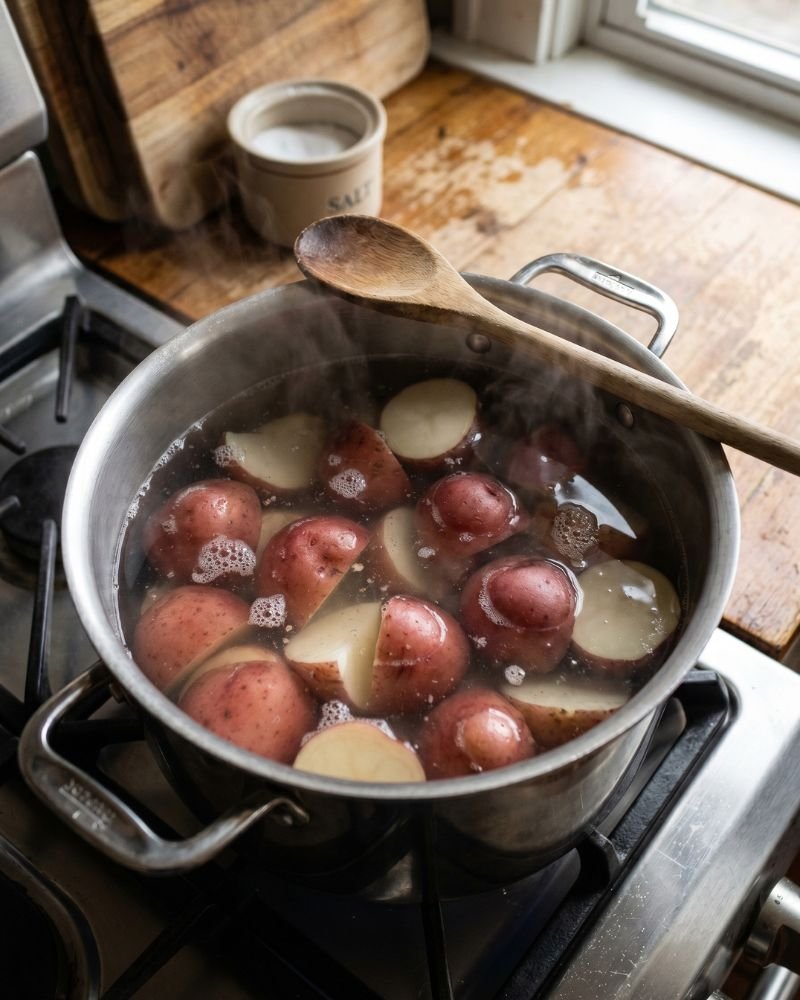
Wash the red potatoes thoroughly and cut them into halves or quarters, depending on size. You want uniform chunks — around 1 to 1½ inches — so they cook evenly.
Place them in a large pot of cold, salted water. Start with cold water, not boiling. This helps the potatoes cook evenly from the inside out. Bring to a boil over medium-high heat, then reduce and simmer for 12–15 minutes, or until a fork slides in with slight resistance. You want them tender but not mushy.
Drain and let them cool. Resist the urge to rinse them with cold water — that can make them waterlogged. Spread them on a baking sheet to cool faster if you’re in a rush.
Step 2: Prepare the Creamy Yogurt Dressing
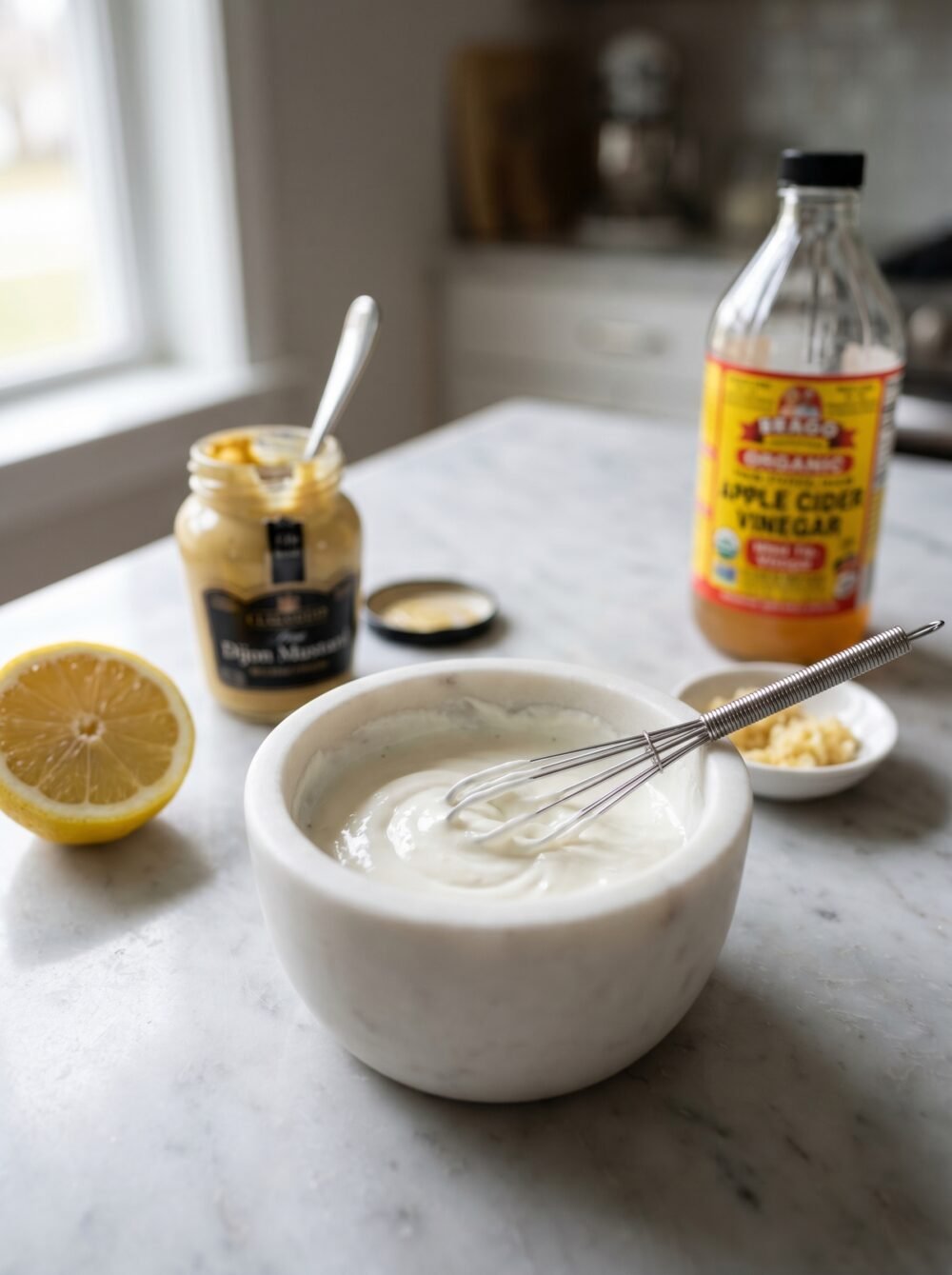
In a small bowl, whisk together:
- ½ cup plain Greek yogurt
- 1 tablespoon apple cider vinegar
- 1 teaspoon Dijon mustard
- 2 minced garlic cloves
- Salt and pepper to taste
Taste it. Adjust the acidity with more vinegar or add a pinch of sugar if you want to balance the tang. This dressing should taste slightly bold on its own — it mellows once mixed with the potatoes.
Related: Easy Coleslaw Recipe: Creamy & Ready in 10 Minutes
Step 3: Chop the Vegetables
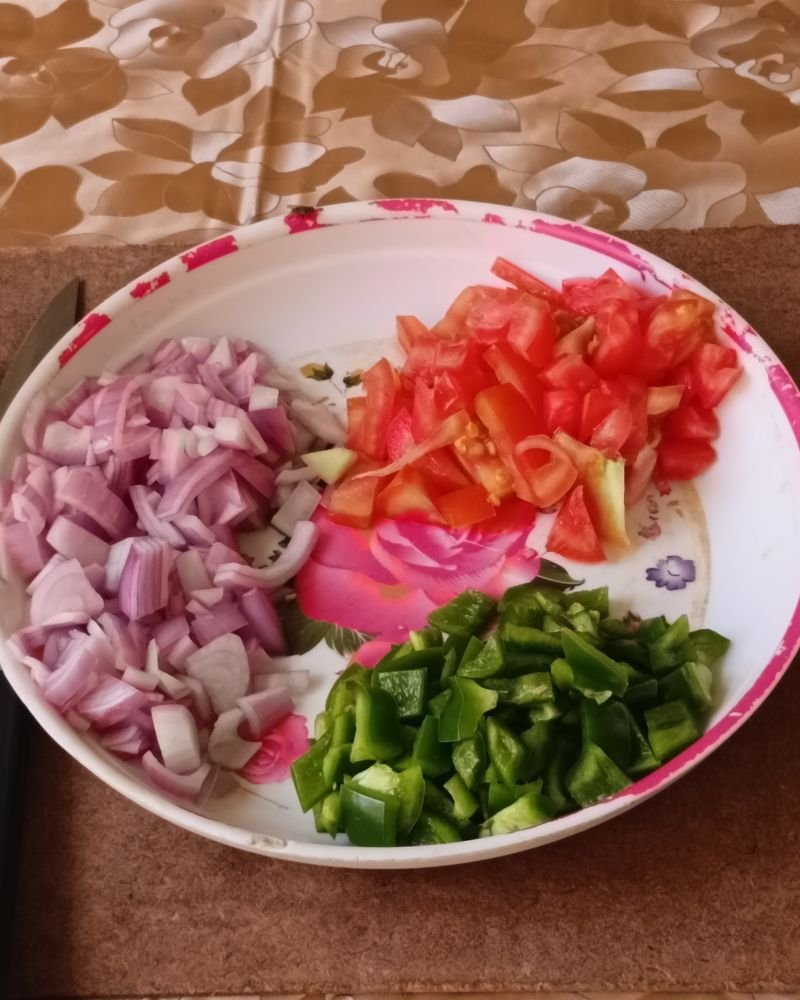
While the potatoes cool, dice the red onion and green pepper, and halve the cherry tomatoes. Keep everything roughly the same size so you get a little of each ingredient in every forkful.
Step 4: Mix Everything Together
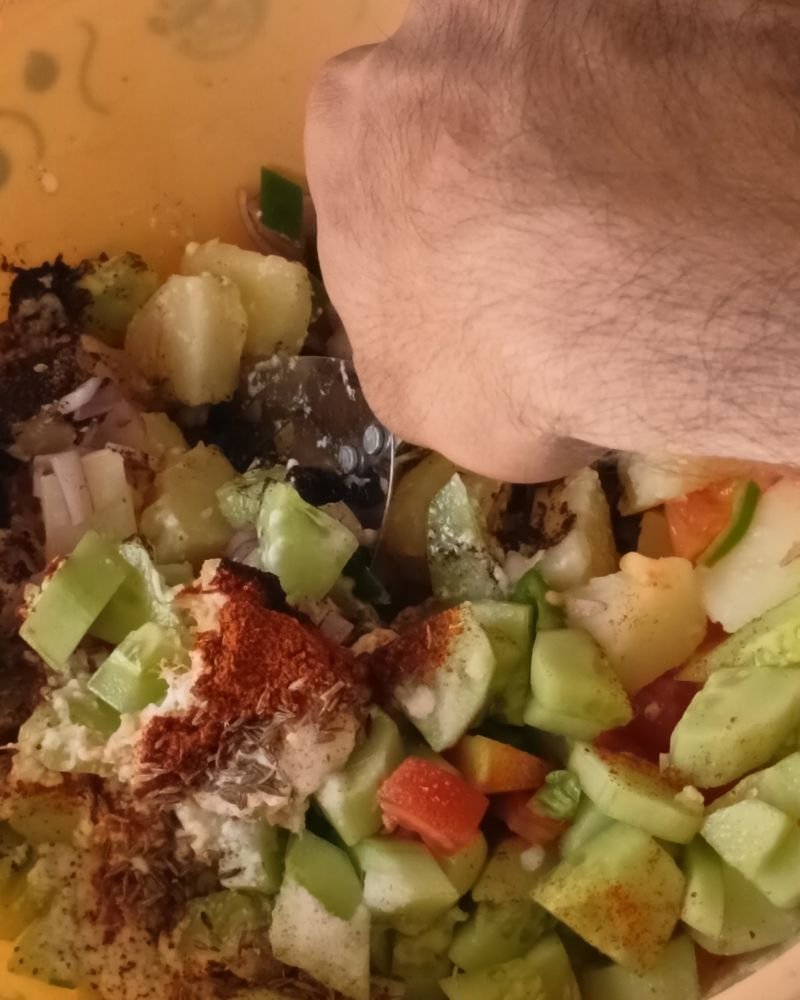
In a large bowl, combine the cooled potatoes, onion, green pepper, and dressing. Fold gently — you want to coat without breaking up the potato pieces. Add the tomatoes last, folding them in with a light hand.
Taste and adjust seasoning. A little extra salt or a squeeze of lemon can brighten everything up.
Step 5: Chill and Serve
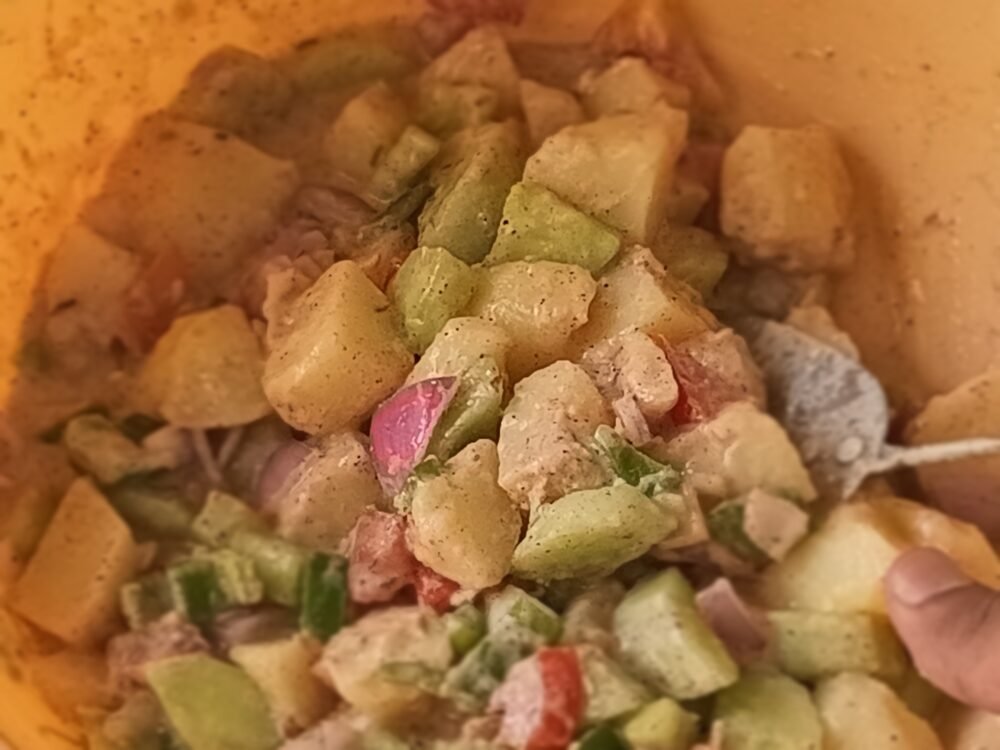
Cover and refrigerate for at least one hour before serving. This step is non-negotiable. The flavors meld as the salad chills, and the texture improves significantly. Overnight is even better.
Top with fresh herbs — dill and chives work especially well — right before serving.
Mini Tip: This salad tastes best at room temperature, so pull it out of the fridge about 15 minutes before serving.
Healthy Swaps That Make This Potato Salad Better
Using Yogurt Instead of Mayo
The swap from mayonnaise to Greek yogurt cuts fat significantly while boosting protein. A tablespoon of mayo contains around 90–100 calories and almost no protein. Greek yogurt brings that down dramatically and adds a satisfying tanginess.
If you want a hybrid approach — slightly richer without full mayo — try a mix of ½ Greek yogurt and ½ light sour cream. Still much lighter than a fully mayo-based version.
Adding Fresh Vegetables
Most classic potato salads are pretty one-note texturally. Adding raw red onion, crunchy bell pepper, and juicy tomatoes transforms the dish into something with actual dimension. You get creamy, crunchy, and bright all in the same bite.
Lower Calorie Dressing Tips
- Skip the sugar — Dijon and apple cider vinegar provide enough contrast
- Use non-fat Greek yogurt if you’re really watching calories
- Add fresh herbs generously — they bulk up the salad without adding calories
Why Red Potatoes Work Best for Potato Salad
Not all potatoes are created equal especially when it comes to salad.
| Potato Type | Texture After Cooking | Skin-On? | Best Use |
|---|---|---|---|
| Red Potatoes | Firm, waxy | Yes | Potato salads, roasting |
| Russet | Fluffy, starchy | No | Mashed, baked |
| Yukon Gold | Medium, creamy | Optional | Versatile |
| Fingerling | Firm | Yes | Roasting, salads |
Red potatoes are naturally low in starch and high in moisture, which is why they hold their shape so beautifully after cooking. They don’t need to be peeled — the thin skin adds a slightly earthy flavor and holds the chunk together. Russets, on the other hand, absorb liquid quickly and tend to fall apart in a salad, giving you something closer to chunky mashed potatoes.
Tips for Creamy Potato Salad Without Mayo
Making a potato salad that’s genuinely creamy without mayo takes a bit of technique:
- Use full-fat Greek yogurt. Non-fat versions are thinner and less rich-tasting.
- Season the potatoes while warm. A light sprinkle of salt and a splash of vinegar while the potatoes are still slightly warm helps them absorb flavor before the dressing goes on.
- Don’t overdress. Add dressing gradually — you can always add more, but you can’t take it back.
- Let it rest. The yogurt dressing thickens slightly as it sits, making the salad creamier the longer it chills.
- Add a small drizzle of olive oil. Just a teaspoon stirred into the dressing gives a silkier mouthfeel.
Best Healthy Dinner Pairings
This salad is incredibly versatile. Here’s what it goes best with:
Grilled Chicken
A simple grilled chicken breast or thigh next to a scoop of red potato salad makes for a complete, balanced meal. The protein from the chicken pairs with the complex carbs in the potatoes for steady, lasting energy.
Healthy Sandwiches
Turkey, chicken, or veggie sandwiches pair perfectly here. The potato salad doubles as both a side and a flavor contrast — especially if your sandwich has a bold sauce or seasoning.
BBQ Meals
This is the classic pairing for good reason. Whether it’s pulled chicken, beef brisket, or grilled salmon, the cool creaminess of potato salad cuts right through smoky, rich barbecue flavors.
Light Summer Dinners
Serve it alongside a green salad and some sliced avocado for a fully plant-forward dinner that still feels substantial. It’s the kind of meal that works especially well on a hot evening when heavy food is the last thing you want.
Healthy Snack Ideas with Potato Salad
Potato salad isn’t just for dinner. A small portion — about half a cup — makes a surprisingly satisfying afternoon snack, especially paired with:
- Cucumber slices and hummus — crunch meets cream
- Hard-boiled eggs — adds protein and keeps you full longer
- A handful of cherry tomatoes — echoes the flavors in the salad itself
If you’re tracking your intake, our Recipe Nutrition Calculator can help you break down the exact macros of your specific serving size. It’s especially useful if you’ve made any ingredient swaps or adjustments to the base recipe.
How to Store Leftover Potato Salad
Store leftovers in an airtight container in the refrigerator. Properly stored, it keeps well for 3 to 4 days.
A few things to keep in mind:
- Don’t freeze it. Yogurt-based dressings separate when frozen and thawed, and the potato texture suffers too.
- Stir before serving. The dressing may settle or thin slightly overnight. A good stir brings it back together.
- Add fresh herbs after storing. Herbs like dill and chives wilt and lose their brightness over time. Add them fresh right before eating.
- Keep it cold. Potato salad should not sit out at room temperature for more than 2 hours — and in summer heat, that window is even shorter.
Common Potato Salad Mistakes to Avoid
Even experienced cooks get these wrong:
- Overcooking the potatoes. Mushy potatoes make a mushy salad. Test early and pull them off the heat as soon as they’re just tender.
- Dressing the salad while potatoes are hot. Hot potatoes absorb too much dressing and can make the yogurt separate. Let them cool to room temperature first.
- Under-seasoning. Potatoes need salt. Season the cooking water generously and taste the finished salad before serving.
- Skipping the chill time. Potato salad needs at least an hour in the fridge to really come together. Serving it immediately always leads to disappointment.
- Adding tomatoes too early. Tomatoes release water as they sit. Add them just before serving or right at the end of mixing.
Variations You Can Try
High-Protein Potato Salad
Add two hard-boiled eggs, chopped, and a can of drained white beans to the base recipe. This version works beautifully as a standalone meal and keeps you full for hours. If you’re tracking your protein goals, check out our PCOS Protein Calculator to see how this fits into your daily targets.
Spicy Potato Salad
Add ½ teaspoon of smoked paprika, a pinch of cayenne, and finely diced jalapeño to the dressing. The heat plays off the tanginess of the yogurt in an unexpectedly good way.
Greek Yogurt Potato Salad
Double down on Mediterranean flavors by adding Kalamata olives, cucumber, crumbled feta, and a drizzle of extra virgin olive oil. It’s closer to a Greek salad than a traditional American potato salad — and honestly, it might be even better.
BBQ Potato Salad
Stir in 1–2 tablespoons of your favorite smoky BBQ sauce into the yogurt dressing, skip the tomatoes, and add pickled jalapeños and thinly sliced scallions. Serve alongside grilled chicken or pulled pork for a crowd-pleasing combination.
Tools to Help You Cook Smarter
If you’re making this salad for a different number of people, scaling recipes by hand can get complicated fast. The Recipe Converter Calculator on this site takes care of that instantly — just plug in your desired servings and it adjusts every ingredient automatically. No math required.
And if you’re curious about the calorie breakdown of your finished salad — especially if you’ve made swaps or added ingredients — the Recipe Nutrition Calculator gives you a full macro breakdown based on your actual quantities.
Final Thoughts
A great potato salad doesn’t need to be complicated, and it definitely doesn’t need a cup of mayonnaise to be satisfying. This red potato salad recipe proves that clean, simple ingredients — done right — are always more interesting than shortcuts.
The red potatoes hold their shape. The yogurt dressing is tangy and rich without being heavy. The fresh vegetables add crunch and color. And the whole thing gets better the longer it sits.
Make it for your next cookout, bring it to a potluck, or keep a batch in the fridge for easy meals throughout the week. However you eat it, don’t skip the chill time. That’s the real secret.
For more satisfying, easy recipes that actually keep you on track, browse our Healthy Dinner ideas and Salad Meal Prep Ideas — there’s plenty more where this came from.
Healthy Red Potato Salad (No Mayo)
Equipment
- Large pot
- Colander
- Large mixing bowl
- Whisk
- Chef’s Knife
- Cutting board
Ingredients
- 4 lbs red potatoes skin on cut into 1–1½ inch chunks
- ½ cup plain Greek yogurt full-fat recommended
- ½ medium red onion finely diced
- 1 small green bell pepper chopped
- 1 cup cherry tomatoes halved
- 2 cloves garlic minced
- 1 tsp Dijon mustard —
- 1 tbsp apple cider vinegar —
- 1 tsp salt or to taste
- ½ tsp black pepper freshly ground
- 2 tbsp fresh dill chopped for garnish
- 1 tbsp fresh chives chopped optional garnish
Instructions
Group 1: Cook the Potatoes
- Wash red potatoes thoroughly and cut into even 1 to 1½ inch chunks. Do not peel.
- Place potato chunks in a large pot and cover with cold salted water. Starting cold ensures even cooking.
- Bring to a boil over medium-high heat, then reduce to a simmer. Cook for 12–15 minutes until a fork slides in with slight resistance — tender but not mushy.
- Drain and spread on a baking sheet or large plate to cool to room temperature. Do not rinse with cold water.
Group 2: Make the Dressing
- In a small bowl, whisk together Greek yogurt, apple cider vinegar, Dijon mustard, minced garlic, salt, and black pepper.
- Taste and adjust — add a pinch more salt, a splash more vinegar, or a tiny pinch of sugar if needed. The dressing should taste slightly bold on its own.
Group 3: Prep the Vegetables
- Finely dice the red onion. For a milder flavor, soak diced onion in cold water for 10 minutes then drain.
- Chop the green bell pepper into small pieces. Halve the cherry tomatoes.
Group 4: Combine and Chill
- Add cooled potatoes, red onion, and green pepper to a large mixing bowl. Pour dressing over and fold gently to coat without breaking up the potatoes.
- Add cherry tomatoes last and fold in carefully.
- Taste and adjust seasoning. Cover and refrigerate for at least 1 hour before serving. Overnight is even better.
- Before serving, top with fresh dill and chives. For best texture, let sit at room temperature for 10–15 minutes after removing from fridge.
Video
Notes
- Don’t skip the chill time. The salad tastes significantly better after at least 1 hour in the fridge. The dressing thickens and the flavors meld together.
- Tomatoes last, always. Adding tomatoes too early makes the salad watery. Fold them in at the very end.
- Make it ahead. This salad is ideal for meal prep — it holds well for 3–4 days in an airtight container in the fridge.
- Do not freeze. Yogurt-based dressings separate when frozen. Keep refrigerated only.
- Scaling the recipe? Use the Recipe Converter Calculator to adjust quantities for any serving size instantly.
- Variations: Add hard-boiled eggs and white beans for high protein, or Kalamata olives and feta for a Greek-style version.
FAQs
Can I make potato salad without mayo?
Absolutely. Greek yogurt is the best substitute — it’s thick, tangy, and creamy in a way that complements potatoes perfectly. You can also use a mix of yogurt and sour cream for a slightly richer version.
Should red potatoes be peeled for potato salad?
No — and you shouldn’t. The skin on red potatoes is thin and tender, and it adds texture, color, and nutrients to the salad. Just scrub them thoroughly before cooking.
How long does potato salad last in the fridge?
Stored in an airtight container, this yogurt-based red potato salad keeps well for 3 to 4 days. Stir before serving and add fresh herbs right before eating.
Can potato salad be healthy?
Yes, especially when made with Greek yogurt instead of mayo, and loaded with fresh vegetables. This version is lower in fat, higher in protein, and contains fiber, vitamins, and antioxidants from the vegetables.
What type of potato is best for potato salad?
Red potatoes are widely considered the best choice. Their waxy texture means they hold their shape after boiling, unlike starchy russets that tend to fall apart and turn mushy.
Visit our official website for more healthy recipes, nutrition tips, wellness guides, and powerful health tools:
🌐 Visit EatLikeFit.com

Muhammad Ahtsham is the founder of EatLikeFit.com and a nutrition researcher dedicated to healthy weight management. He provides practical, science-backed advice on high-protein diets and affordable meal planning to help readers achieve their fitness goals simply and effectively.