

You wake up already nervous.
Today is your pregnancy glucose test — the one that checks for gestational diabetes — and suddenly breakfast feels like a high-stakes decision. Should you eat? Skip it? Have eggs? Oatmeal? Just coffee?
If you’re wondering what to eat for breakfast before pregnancy glucose test, you’re not alone. This is one of the most common questions expecting moms ask — and for good reason. What you eat can influence how steady your blood sugar is before the glucose drink.
Let’s clear the confusion — calmly and confidently.
Disclaimer: Always consult with your doctor or healthcare provider before making any dietary changes for a medical test.
Jump To
What Should You Eat?
Before a 1-hour pregnancy glucose screening, choose a balanced breakfast with protein, fiber, and complex carbs — and avoid sugary or refined foods.
Good options include:
- Eggs with whole-grain toast
- Plain Greek yogurt with berries
- Oatmeal with chia seeds (no added sugar)
- Avocado toast with protein
Avoid:
- Sugary cereals
- Donuts or pastries
- Fruit juice
- Pancakes with syrup
- Sweet coffee drinks
Always follow your provider’s specific instructions first.
What Is the Pregnancy Glucose Test?
The pregnancy glucose test — often called the glucose challenge test — screens for gestational diabetes, a condition where blood sugar rises during pregnancy.
Here’s how it works:
- You drink a sweet glucose solution.
- One hour later, your blood is drawn.
- Your provider checks how your body processed the sugar.
If the results are elevated, you may need a 3-hour glucose tolerance test, which usually requires fasting.
Why This Matters
Gestational diabetes can increase risks for both mom and baby, including high birth weight and delivery complications. Early detection allows simple diet adjustments in many cases.
The 1-hour test screens for gestational diabetes. It does not always require fasting — but breakfast choices matter.
Should You Eat Before the Test?
Do You Have to Fast?
For the 1-hour glucose screening, most providers allow you to eat normally beforehand.
However:
- Some clinics recommend avoiding food 1–2 hours before the drink.
- A few may suggest light eating only.
For the 3-hour test, fasting overnight (8–12 hours) is typically required.
Difference Between 1-Hour and 3-Hour Tests
| Test Type | Fasting Required? | Duration |
|---|---|---|
| 1-Hour Glucose Screening | Usually no | 1 hour |
| 3-Hour Glucose Tolerance Test | Yes (overnight) | 3 hours |
Ask Your Provider First
This cannot be overstated. Every clinic has slightly different preparation instructions.
Most women can eat before the 1-hour test — but keep it balanced and confirm instructions.
Best Breakfast Foods to Eat Before the Pregnancy Glucose Test
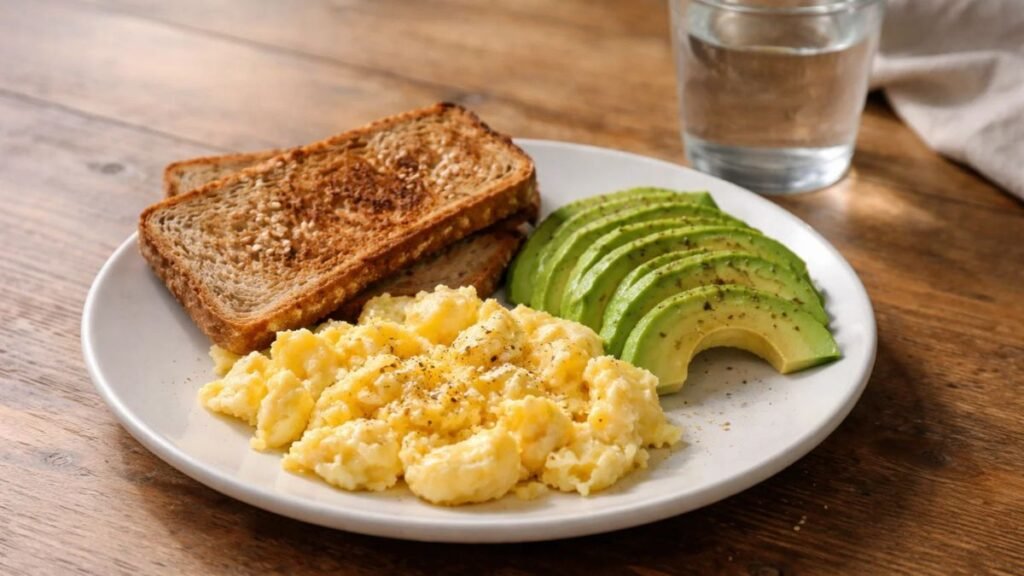
The goal is simple: avoid a blood sugar spike before you even drink the glucose solution.
That means balancing:
- Protein
- Fiber
- Healthy fats
- Complex carbohydrates
Let’s break it down.
High-Protein Options
Protein slows glucose absorption and keeps blood sugar steady.
Good choices:
- Scrambled or boiled eggs
- Plain Greek yogurt (low sugar)
- Cottage cheese with veggies
- Tofu scramble
If you’re unsure about dairy, you may find this comparison helpful:
👉 Cultured Milk vs Yogurt: Which Is Actually Healthier
Balanced Complex Carbohydrates
You don’t need to avoid carbs entirely — just choose the right ones.
Better options:
- Whole-grain toast
- Steel-cut oatmeal
- Quinoa
- High-fiber English muffin
Avoid refined carbs like white bread or bagels.
If you already eat oats regularly, you might appreciate this related read:
👉 Is Eating Oats on an Empty Stomach Safe?
Low-Glycemic Fruits
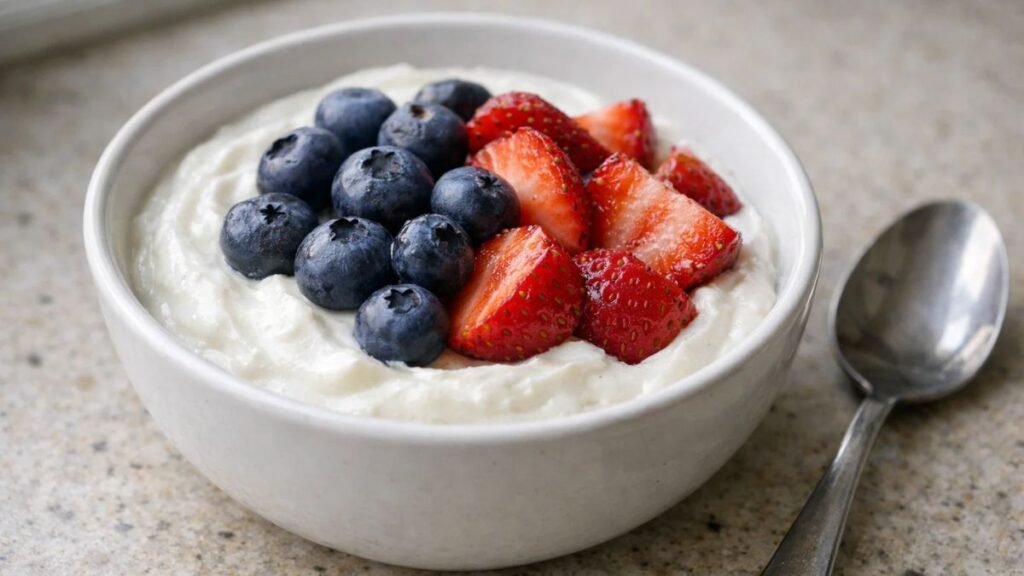
Fruit is fine — but portion matters.
Best picks:
- Berries
- Apple slices
- Pears
- Stone fruits (like peaches)
Skip:
- Fruit juice
- Smoothies loaded with banana + honey
- Dried fruit in large amounts
Healthy Fats
Healthy fats slow digestion and improve blood sugar stability.
Add:
- Avocado
- Nut butter (unsweetened)
- Chia seeds
- Almonds
If you’re curious about nut comparisons, see:
👉 Almonds or Pecans: Which Nut Boosts Health and Energy More
Build your breakfast around protein + fiber + healthy fats. Avoid added sugar and refined carbs.
Foods to Avoid Before the Glucose Test

This section is critical.
Even if you’re allowed to eat, certain foods can spike your glucose levels before the test begins.
Added Sugar Sources
- Donuts
- Muffins
- Sweet pastries
- Sugary cereal
- Sweetened yogurt
- Syrupy coffee drinks
Refined Carbohydrates
- White toast
- Bagels
- Pancakes
- Waffles
- Croissants
Sugary Beverages
- Fruit juice
- Soda
- Energy drinks
- Sweet tea
These foods can temporarily elevate blood sugar, increasing the chance of a false-positive result.
Avoid anything that would spike blood sugar before the glucose drink.
Meal Timing & Practical Tips
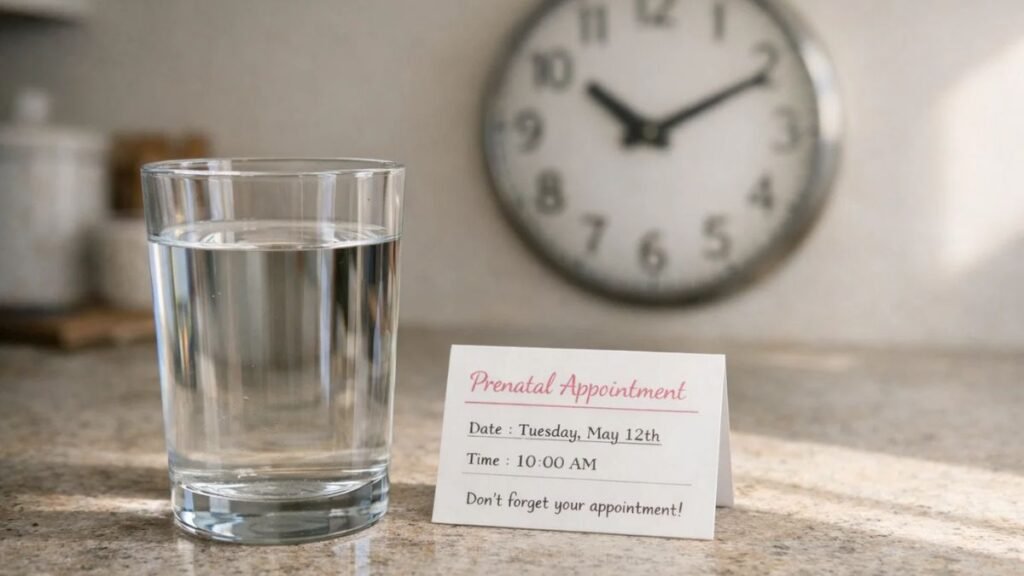
Even the perfect breakfast can backfire if timing is off.
When to Eat
- Eat 2–3 hours before your test (if allowed).
- Avoid eating 1–2 hours before the glucose drink if your clinic advises.
Hydration Guidelines
- Drink water.
- Avoid flavored drinks.
- No sugary beverages.
What If You Have to Fast?
If instructed to fast:
- Do not eat or drink anything except water.
- Schedule your appointment early in the morning to reduce discomfort.
After the Test
Bring a snack with protein and carbs. Many women feel slightly shaky after the glucose drink.
Examples:
- Peanut butter sandwich
- Protein bar (low sugar)
- Yogurt + nuts
Sample Breakfast Ideas Before the Pregnancy Glucose Test
Here’s a simple, copy-friendly list:
| Meal Idea | Why It Works |
|---|---|
| Greek yogurt + berries | Protein + low sugar |
| Eggs + whole-grain toast | Balanced macros |
| Oatmeal + chia seeds | Fiber stabilizes glucose |
| Cottage cheese + apple | Protein + controlled carbs |
| Avocado toast + egg | Healthy fat + protein |
Keep portions moderate. This is not the day for oversized breakfast plates.
Expert Tips From Clinical Practice
In conversations with OB-GYNs and registered dietitians, the advice is remarkably consistent:
- “Eat what you normally would — but skip added sugar.”
- “Protein + fiber breakfast helps steady glucose.”
- “Don’t intentionally restrict food to try to ‘pass’ the test.”
Trying to manipulate the test by skipping food entirely can actually backfire.
Your goal is an accurate result — not a temporary workaround.
How Our Tools Can Help You Prepare
If you’re unsure how balanced your breakfast is, our tools can make it easier:
BMI Calculator
Use it to understand your current pregnancy weight range and discuss it with your provider.
Recipe Nutrition Calculator
If you’re preparing a custom breakfast, plug in ingredients to check sugar and carb levels.
Recipe Converter
Adjust portion sizes easily — especially helpful if you’re reducing refined carbs.
Common Mistakes to Avoid
- Skipping breakfast without instructions
- Drinking juice “because it’s natural”
- Choosing sugary granola
- Having sweetened coffee
- Eating right before the appointment
Small details matter.
Final Thoughts: Stay Calm, Stay Balanced
If you’re feeling anxious, take a breath.
The pregnancy glucose test is routine. Millions of women pass it every year. And even if you don’t, gestational diabetes is manageable with proper guidance.
Focus on:
- Balanced breakfast
- Smart timing
- Following provider instructions
- Hydrating properly
That’s it.
You’ve got this.
FAQs
Can I eat eggs before the pregnancy glucose test?
Yes. Eggs are an excellent choice because they contain protein and do not spike blood sugar.
Is oatmeal okay before the glucose test?
Yes — if it’s unsweetened and portion-controlled. Avoid adding sugar or syrup.
Can I drink coffee before the test?
Plain coffee may be allowed, but skip sugar, syrups, and flavored creamers. Confirm with your provider.
What happens if I fail the 1-hour test?
You may be asked to take a 3-hour glucose tolerance test, which requires fasting.
Should I skip breakfast to pass the test?
No. Skipping food without instructions may affect results and is not recommended.
Sources
- American College of Obstetricians and Gynecologists (ACOG). Gestational Diabetes.
https://www.acog.org/womens-health/faqs/gestational-diabetes - Mayo Clinic. Gestational diabetes – Symptoms & causes.
https://www.mayoclinic.org/diseases-conditions/gestational-diabetes/symptoms-causes/syc-20355339

Muhammad Ahtsham is the founder of EatLikeFit.com and a nutrition researcher dedicated to healthy weight management. He provides practical, science-backed advice on high-protein diets and affordable meal planning to help readers achieve their fitness goals simply and effectively.