
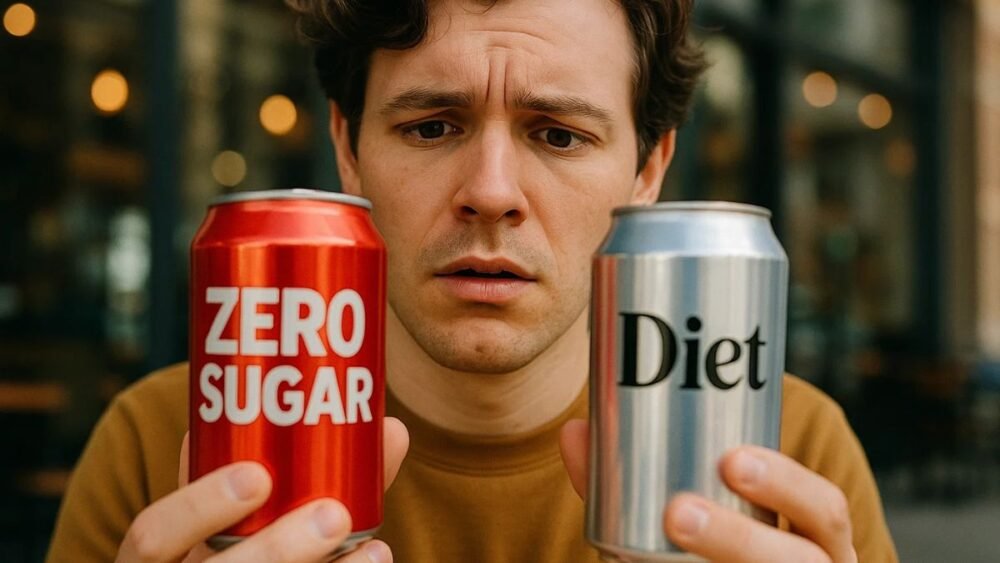
You’ve probably stood in the grocery aisle, staring at rows of cans boasting labels like “Zero Sugar” or “Diet”, and felt a little smug. “Hey, I’m making a healthier choice,” you think, tossing one into your cart. But here’s the kicker: neither of these soda options is truly a health drink. In fact, emerging research suggests both could come with hidden risks you wouldn’t expect.
Jump To
What’s Really Inside Those Cans
Let’s get one thing straight. Both zero-sugar and diet sodas are packed with artificial sweeteners — think aspartame, sucralose, or acesulfame-K — instead of sugar. That means zero calories, zero fat, zero sugar. Sounds ideal, right? But just because something is sugar-free doesn’t automatically make it harmless.
The goal of these sodas is simple: mimic the sweet, fizzy satisfaction of regular soda without spiking your blood sugar or adding extra calories. That’s why so many people trying to cut sugar or manage weight gravitate toward them. Yet nutritionists note that swapping sugar for artificial sweeteners isn’t a free pass to drink endlessly.
If you’re curious about other ways to manage your sweet cravings, you might also check out why cookie milk is suddenly everywhere or hard-boiled eggs vs cottage cheese for satiety — both offer alternatives to artificially sweetened treats.
The Health Debate: Confusing and Mixed
Here’s where things get messy. Logically, replacing sugar with artificial sweeteners seems smart. Fewer calories, lower blood sugar spikes — what’s not to love? But studies keep raising eyebrows. Some research links diet or zero-calorie sodas to a higher risk of type 2 diabetes and heart disease, even when you’re technically skipping the calories.
There’s also growing concern about the gut. Evidence suggests these sweeteners may disrupt your gut microbiome, potentially affecting glucose metabolism and long-term metabolic health. Experts caution that while zero-sugar drinks reduce immediate sugar intake, the long-term impact on your body remains murky.
And it’s not just your metabolism. Soda acids — whether diet or zero — are notorious for eroding tooth enamel. Phosphoric and citric acids don’t care if you skipped the sugar. Over time, they could even affect bone health by interfering with calcium absorption.
A recent observational study presented at a major gastroenterology conference in 2025 even linked frequent low- or no-sugar soda consumption to higher risks of chronic liver conditions. Cardiologists have started raising eyebrows, warning that in some cases, zero-sugar drinks might stress your liver more than traditional soda.
Zero Sugar vs Diet: Are They Really Different?
Here’s the short answer: not by much.
“Zero sugar” sodas often use a blend of sweeteners, sometimes formulated to taste more like regular soda. Diet sodas might have a slightly different flavor profile, but nutritionally? Both are practically twins — zero sugar, zero calories, same potential risks.
So if you’ve been pondering whether to reach for Coke Zero or Diet Coke, don’t stress about picking the “healthier” one. What matters more is your overall habits: how often you sip, what else you’re eating, and whether you’re moving your body.
If you’re craving soda but want to make a smarter choice, think about pairing occasional indulgences with nutrient-packed options like Cincinnati chili recipes or cauliflower shawarma bowls — hearty meals that offer flavor and nutrition.
What Experts Recommend
Here’s the takeaway from dietitians and nutrition scientists: use zero-sugar or diet sodas sparingly. Make them an occasional treat, not your daily go-to.
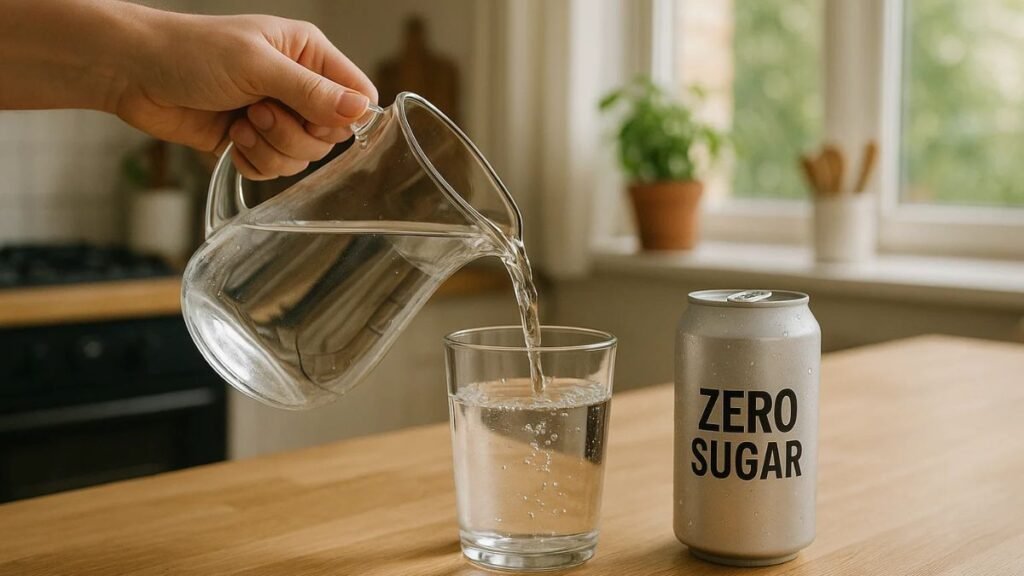
Better options? Water, unsweetened tea, plain coffee, or fruit-infused water. These beverages hydrate you, offer real nutritional value, and won’t interfere with your metabolic or dental health. A little soda here and there is fine, but moderation is key.
Bottom Line
Zero-sugar and diet sodas might feel like the smarter choice compared to classic sugary drinks. But don’t be fooled — sugar-free doesn’t equal safe. Between artificial sweeteners, acids, and potential long-term metabolic risks, neither is a true health drink.
If you care about your long-term health — teeth, bones, liver, and metabolism — the ultimate champion remains water. Keep soda as a once-in-a-while treat, enjoy it, but don’t let the labels fool you. Your body will thank you.
If you enjoyed this article, don’t forget to follow and subscribe for more health tools, recipes, and news!
Sources
- Healthline – Coke Zero vs Diet Coke: Which Is Healthier?
- Healthline – Is Coke Zero Bad for You?
- Yahoo Lifestyle – Difference Between Zero Sugar and Diet Soda

Muhammad Ahtsham is the founder of EatLikeFit.com and a nutrition researcher dedicated to healthy weight management. He provides practical, science-backed advice on high-protein diets and affordable meal planning to help readers achieve their fitness goals simply and effectively.