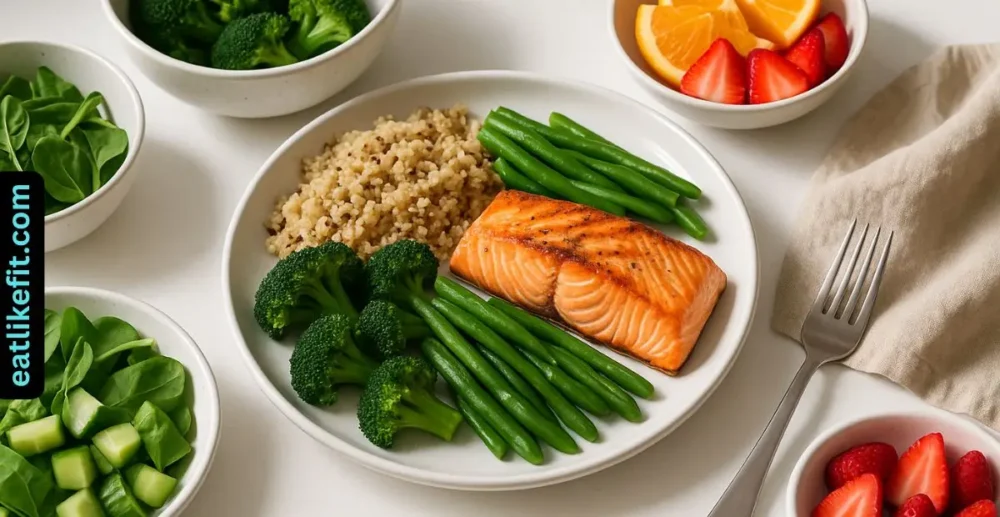

Losing weight fast sounds tempting—especially when you want visible results now, not months later. I’ve been there. You clean up your diet, cut portions, and then wonder: “How low should I go to actually see a difference?”
That’s where a 1000 calorie diet plan comes in.
It’s aggressive. It’s structured. And if done carefully, it can kickstart weight loss quickly. But it’s also not something to jump into blindly.
In this guide, you’ll learn exactly how it works, who it’s for (and who should avoid it), plus a practical 7-day plan you can actually follow.
Jump To
✅ Thanks! Your PDF is ready:
📥 Download PDFWhat Is a 1000 Calorie Diet Plan?
A 1000 calorie diet is a very low-calorie diet (VLCD) designed to create a strong calorie deficit.
Most adults need:
- 1800–2400 calories/day (women)
- 2200–3000 calories/day (men)
Dropping to 1000 calories means your body starts using stored fat for energy—fast.
Why People Choose It
- Quick weight loss before an event
- Breaking a plateau
- Jumpstarting a long-term diet plan
But here’s the truth: this is not a casual lifestyle diet—it’s a short-term strategy.
A 1000 calorie diet forces fat loss by creating a large calorie deficit, but it requires careful planning to avoid nutrient deficiencies.
How a 1000 Calorie Diet Works for Weight Loss
Weight loss comes down to one thing: calorie deficit.
When you eat fewer calories than your body burns:
- Your body taps into fat stores
- You lose weight (primarily fat + some water)
What Happens in Your Body
- First 2–3 days: Water weight drops
- Days 4–7: Fat loss begins
- Appetite hormones may fluctuate
Expected Weekly Results
| Timeframe | Expected Result |
|---|---|
| 3 days | 1–3 lbs (mostly water) |
| 7 days | 2–5 lbs total loss |
| 2 weeks | Noticeable fat reduction |
Results vary based on:
- Starting weight
- Activity level
- Metabolism
A 1000 calorie diet accelerates weight loss, especially in the first week, but results are not purely fat—some water loss is normal.
Is a 1000 Calorie Diet Safe?
Let’s be honest—this is where most people get it wrong.
It CAN be safe if:
- Used short-term (7–14 days max)
- Meals are nutrient-dense
- Protein intake is adequate
- You stay hydrated
It’s NOT safe if:
- You follow it long-term
- You skip essential nutrients
- You already have a low body weight
Potential Side Effects
- Fatigue
- Dizziness
- Hunger spikes
- Mood changes
- Slower metabolism (if prolonged)
👉 Always consult a healthcare professional before starting.
Safe for short-term use with proper planning—but risky if extended or poorly structured.
Who Should Follow This Diet (And Who Should NOT)
Suitable For:
- Overweight individuals needing quick results
- People restarting weight loss after a plateau
- Short-term goal (events, photoshoots)
Not Suitable For:
- Pregnant or breastfeeding women
- Teens or elderly individuals
- People with medical conditions
- Highly active individuals or athletes
If you’re unsure, a safer alternative is a slightly higher plan like
👉 1400 Calorie Diet Plan for Fast & Healthy Weight Loss
or
👉 1700 Calorie Diet Plan: Balanced Meals for Healthy Weight Loss
This plan is not for everyone—know your body and limitations.
7-Day 1000 Calorie Meal Plan
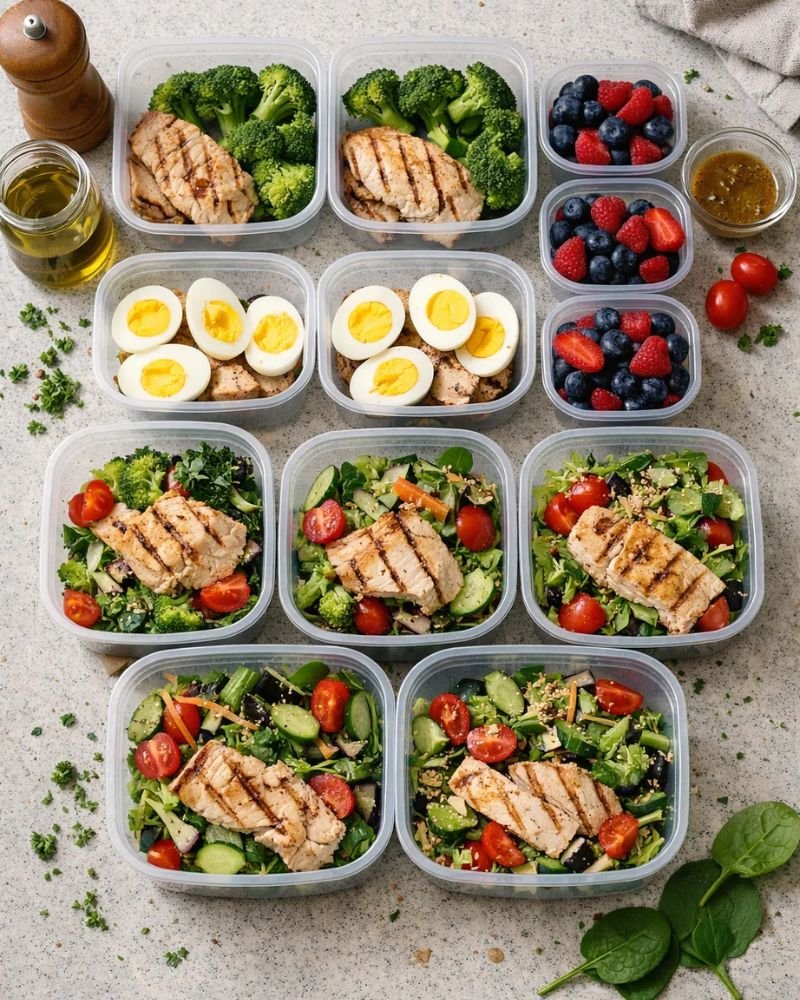
Here’s a practical, realistic plan you can follow.
Day 1
- Breakfast: Greek yogurt + berries (200 cal)
- Lunch: Grilled chicken salad (300 cal)
- Dinner: Steamed fish + veggies (350 cal)
- Snack: Apple (150 cal)
Day 2
- Breakfast: Boiled eggs (2) + spinach (200 cal)
- Lunch: Turkey lettuce wraps (300 cal)
- Dinner: Zucchini noodles + marinara (350 cal)
- Snack: Almonds (150 cal)
Day 3
- Breakfast: Protein smoothie (200 cal)
- Lunch: Tuna salad (300 cal)
- Dinner: Grilled shrimp + broccoli (350 cal)
- Snack: Orange (150 cal)
Day 4–7 (Repeat Variation)
- Swap proteins (chicken, fish, tofu)
- Rotate veggies (broccoli, spinach, zucchini)
- Keep calories consistent
👉 For more meal inspiration, check:
5 Easy Salad Meal Prep Ideas for Healthy Weekly Meals
High Volume Low Calorie Foods: Eat More & Lose Weight
Keep meals simple, high-protein, and low-calorie for sustainability.
Sample Daily Meal Breakdown
A balanced 1000 calorie day looks like:
- Breakfast: 200–250 calories
- Lunch: 300 calories
- Dinner: 350 calories
- Snack: 100–150 calories
Focus on:
- Protein at every meal
- Fiber-rich vegetables
- Minimal sugar
Grocery List for a 1000 Calorie Diet
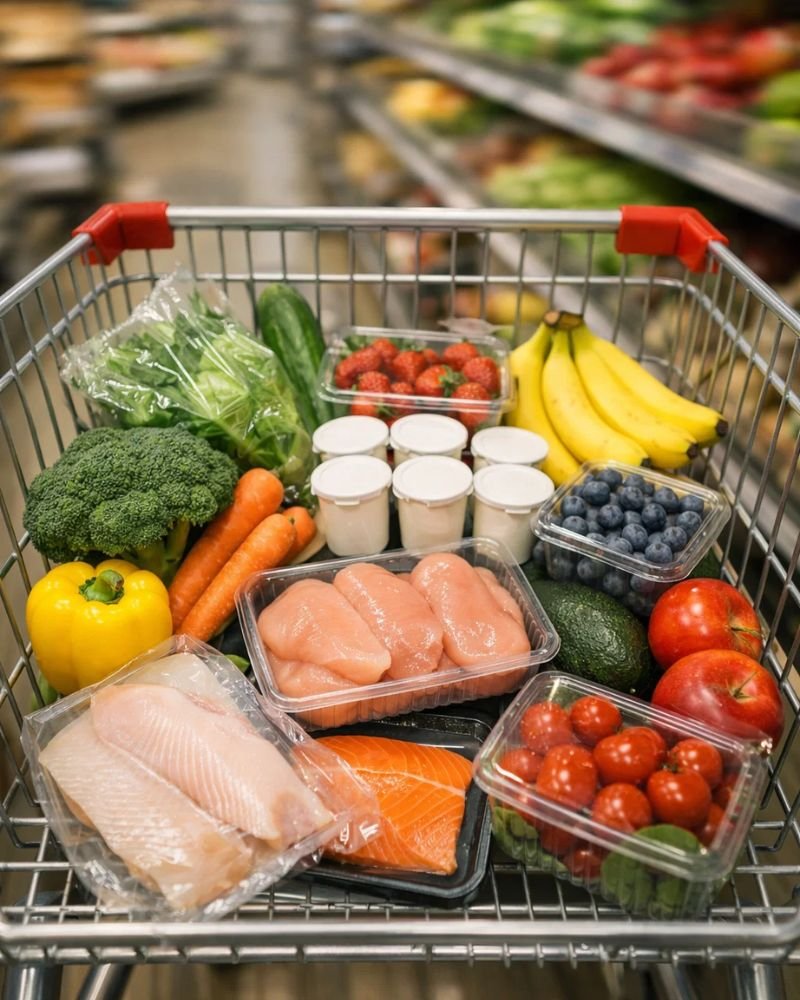
Proteins
- Chicken breast
- Eggs
- Greek yogurt
- Tuna
- Salmon
Vegetables
- Spinach
- Broccoli
- Zucchini
- Cucumbers
- Bell peppers
Fruits
- Apples
- Berries
- Oranges
Extras
- Olive oil (small amounts)
- Almonds
- Low-calorie sauces
Best Foods to Eat on a Low-Calorie Diet
To stay full on fewer calories, prioritize:
High Protein, Low Calorie Foods
- Egg whites
- Chicken breast
- Fish
- Greek yogurt
High Volume Foods
- Leafy greens
- Cucumbers
- Broccoli
- Zucchini
Smart Additions
- Soups (low sodium)
- Herbal teas
- Sparkling water
Foods to Avoid
- Sugary drinks
- Fried foods
- White bread and pastries
- Processed snacks
- High-calorie sauces
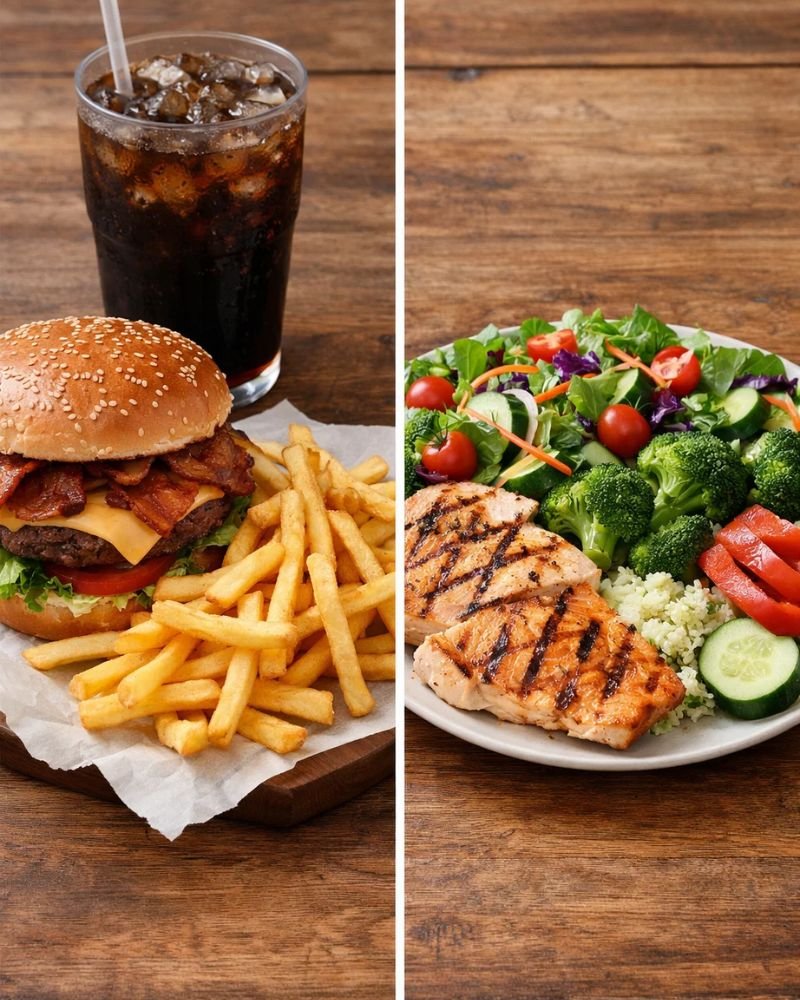
These foods drain your calorie budget quickly without keeping you full.
How to Stay Full on 1000 Calories
This is the biggest challenge.
Proven Tips:
- Eat protein first at every meal
- Drink water before eating
- Use volume foods (salads, soups)
- Space meals every 3–4 hours
- Avoid liquid calories
👉 A helpful trick: build meals around fiber + protein—it keeps hunger stable.
Common Mistakes Beginners Make
I’ve seen this again and again.
1. Eating Too Little Protein
Leads to muscle loss and hunger.
2. Skipping Meals
Backfires into binge eating later.
3. Ignoring Nutrients
Calories matter—but so do vitamins.
4. Doing It Too Long
This is a short-term strategy, not a lifestyle.
Realistic Results: What to Expect in 7 Days

Let’s set honest expectations.
- You will lose weight quickly
- Some of it will be water weight
- You may feel lighter and less bloated
- Energy may dip slightly
But:
- Long-term fat loss requires sustainable habits
Expert Tips for Safe Weight Loss
- Keep protein high (70–100g/day)
- Add light activity (walking, not intense workouts)
- Stay hydrated
- Sleep 7–8 hours
- Transition to a higher-calorie plan after
👉 After 1–2 weeks, move to a more sustainable plan like:
My Favorite Foods to Lose Weight Fast: Top 7 Picks That Work
Tools to Make This Diet Easier
1. BMI Calculator
Use it to determine if you should even be in a calorie deficit.
2. Recipe Nutrition Calculator
Perfect for tracking your meals and staying within 1000 calories.
3. Recipe Converter
Adjust portion sizes easily without guessing calories.
👉 These tools help you stay precise—which is critical on a low-calorie plan.
Important Safety Reminder
- This diet is not for long-term use
- Always consult a professional
- Listen to your body—if you feel unwell, stop
Final Thoughts
A 1000 calorie diet plan can absolutely help you lose weight fast—but it’s not magic. It works because it creates a strong calorie deficit, not because it’s extreme.
Used wisely, it can be a powerful reset.
Used incorrectly, it can backfire.
The smartest approach? Use it briefly, learn from it, and then transition into a sustainable lifestyle.
✅ Thanks! Your PDF is ready:
📥 Download PDFFAQs
Is 1000 calories a day safe?
It can be safe for short-term use if properly balanced, but it’s not recommended long-term without medical supervision.
How much weight can I lose on 1000 calories?
Most people lose 2–5 pounds in a week, depending on body weight and activity level.
Can I exercise on a 1000 calorie diet?
Light activity like walking is fine, but intense workouts are not recommended due to low energy intake.
What should I eat on a 1000 calorie diet?
Focus on lean proteins, vegetables, fruits, and low-calorie whole foods to stay full and nourished.
Sources
This guide is based on established nutrition science and recommendations from trusted health organizations:
- Harvard T.H. Chan School of Public Health
https://www.hsph.harvard.edu/nutritionsource/healthy-weight/ - Mayo Clinic
https://www.mayoclinic.org/healthy-lifestyle/weight-loss/in-depth/calories/art-20048065 - National Institutes of Health
https://www.niddk.nih.gov/health-information/weight-management

Muhammad Ahtsham is the founder of EatLikeFit.com and a nutrition researcher dedicated to healthy weight management. He provides practical, science-backed advice on high-protein diets and affordable meal planning to help readers achieve their fitness goals simply and effectively.