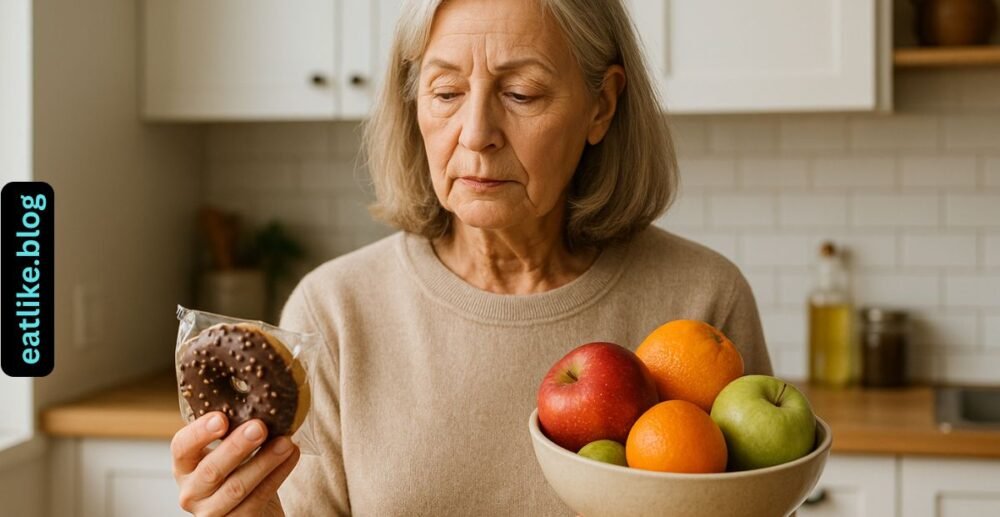
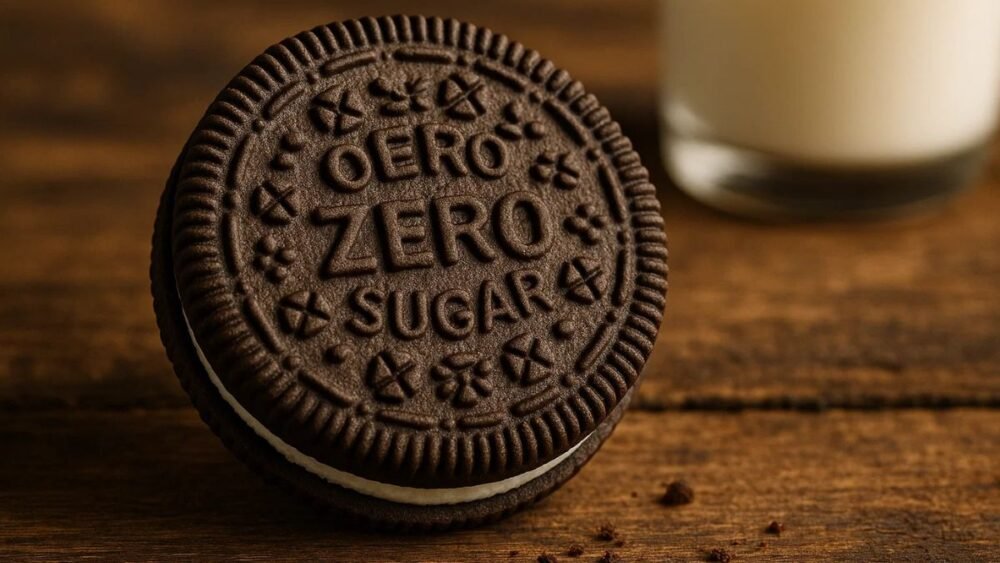
When Oreo — that little black-and-white ritual from childhood — does something new, people notice. This week the conversation turned electric: whispers on social feeds, a few early sellouts at retailers, side-by-side comparison photos popping up everywhere. It’s not just a product launch. It feels like a cultural check-in: can a candy-aisle classic survive a makeover aimed at modern health concerns?
I spent a morning scrolling through reactions so you don’t have to. Some fans sounded philosophical — “If it tastes like my grandma’s kitchen I’ll cry.” Others were practical: “No sugar? Sign me up for midnight cookies again.” And from a distance, you can see the broader trend: legacy snack brands reshaping themselves for people who want both flavor and restraint.
Jump To
Why this matters now
The move isn’t random. Public health conversations about sugar, metabolic health, and diabetes have nudged both shoppers and manufacturers for years. Experts point out that many consumers are trying to cut back on added sugars — not always to be virtuous, but to feel better day to day. So when a brand that’s essentially shorthand for “treat” offers a low-sugar alternative, it lands differently than another novelty flavor.

Nutritionists I’ve read (and yes, I asked around) say product shifts like this aren’t only about calories. They’re about perceptions. A zero-sugar Oreo signals that even comfort foods can adapt without losing identity — if the recipe’s right.
What people say it tastes like
Taste is where the debate lives.
Early tasters online describe a cookie that keeps the signature crunch but mellows the sweetness. The cream filling reads as “less syrupy,” some say — an echo of the original rather than a copy. Alternative sweeteners are doing the heavy lifting, and that’s where most conversations turn technical: there’s always chatter about aftertaste, texture, and whether the substitute behaves like sugar in a sandwich cookie.
In plain language: some people are pleasantly surprised, others miss the sugar rush. You’ll probably fall somewhere in between.
It’s not just a cookie — it’s a signal
Food companies have been experimenting with formats — thinner cookies, gluten-free versions, limited runs — for years. Rolling out a zero-sugar option feels more strategic. It’s a statement that classic snacks aren’t off limits to health-minded shoppers. And for marketers, it’s gold: nostalgia plus a “better-for-you” angle equals serious engagement.
If you’re curious about how reduced-sugar foods compare more broadly — for example, the tradeoffs between sugar alternatives and diet drinks — we’ve looked at similar debates in our piece on Zero-Sugar vs Diet Soda. And if you’re wondering why cookies suddenly seem to have a cultural moment (cookie milk, anyone?), our explainer on Why Cookie Milk Is Suddenly Everywhere dives into how tastes and trends collide.
So — is it healthier?
“Zero Sugar” reduces added sugar, but it doesn’t automatically mean “healthy.”
Health professionals caution that removing sugar helps people who monitor blood sugar or follow low-sugar eating plans, yet calories, portion sizes, and overall diet still matter. For someone with diabetes, a zero-sugar cookie might be a better option — but always check the label and talk to a clinician if you’re unsure. Experts also warn about relying solely on “zero sugar” as a health stamp; it’s one part of the picture.
Will it stick around?
Oreo has tested new things before and kept only some. Thins became a mainstay; others were fleeting. Right now, early demand and social buzz are strong indicators — but long-term longevity depends on two things: consistent consumer demand, and whether the product actually satisfies people who come back for a second package.
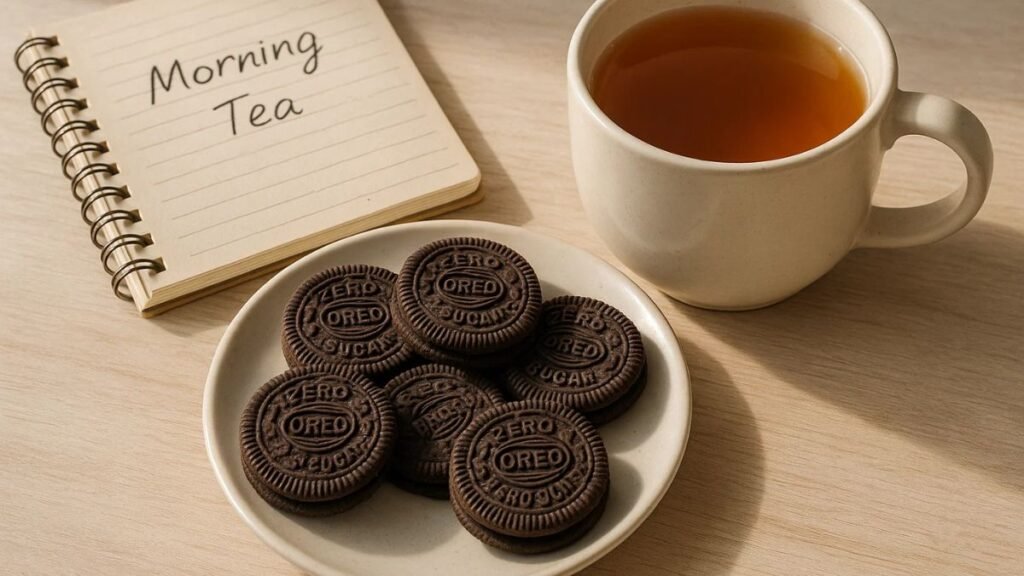
If this follows the path of other experimental launches that found a loyal audience, zero-sugar Oreos could graduate from test run to staple.
What are Oreo Zero-Sugar Cookies?
Oreo Zero-Sugar Cookies are a sugar-reduced version of the classic chocolate sandwich cookie that use alternative sweeteners to cut added sugar while trying to preserve the original’s crunch and flavor.
Who might like them?
People cutting back on added sugar, folks managing blood sugar, and anyone curious about lighter versions of nostalgic treats.
Final take
I’ll admit: part of me wanted to dismiss this as another marketing spin. But there’s something honest about offering choice. For those who grew up dunking Oreos in milk and now want a gentler hit of sweetness, this might feel like permission to enjoy a small pleasure without the same guilt.
Will every cookie lover embrace it? No. But the buzz shows something bigger — a cultural nudge toward options that let tradition and health coexist. And for that, many of us are grateful.
Do zero-sugar Oreos taste like the original?
Early reviews say they’re similar but less sweet; texture aims to match the classic crunch.
Are they safe for people with diabetes?
They can fit into a low-sugar plan, but individuals should check nutrition labels and consult their healthcare provider.
Is “zero sugar” the same as “calorie-free”?
No — zero added sugar reduces sugar content, but products can still contain calories and other ingredients that matter.
If you enjoyed this article, don’t forget to follow and subscribe for more health tools, recipes, and news!
Sources
- Harvard T.H. Chan School of Public Health – Nutrition Source – Expert insights on reduced-sugar diets and metabolic health.
- U.S. Food and Drug Administration (FDA) – Added Sugar Guidelines – Recommendations for daily sugar intake.

Muhammad Ahtsham is the founder of EatLikeFit.com and a nutrition researcher dedicated to healthy weight management. He provides practical, science-backed advice on high-protein diets and affordable meal planning to help readers achieve their fitness goals simply and effectively.