
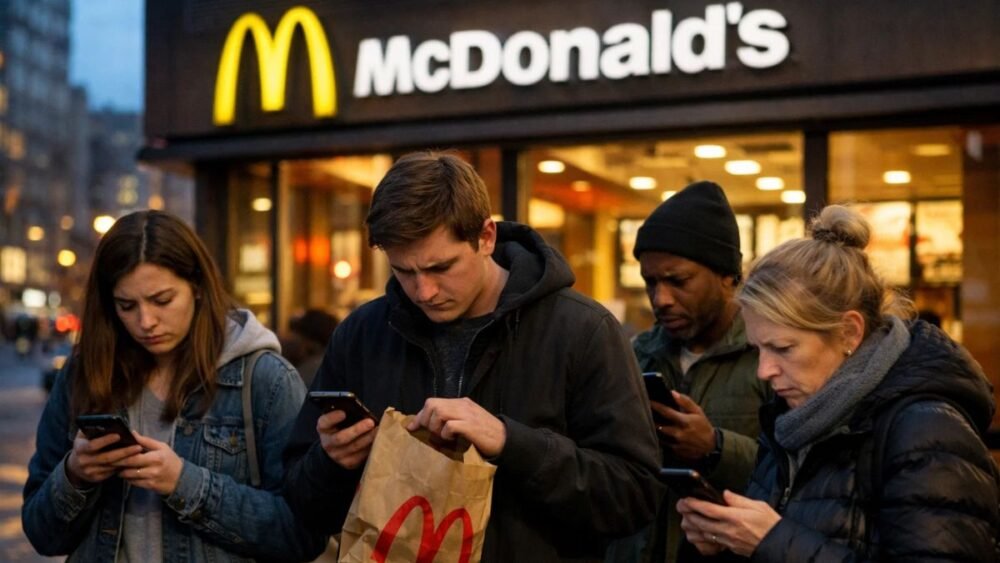
I’ve covered fast food stories for years, and there’s a pattern you start to notice. It’s rarely just about burgers or fries. It’s about expectations. And right now, McDonald’s is facing a new class action lawsuit that taps straight into that uneasy space between what customers think they’re buying and what they feel they’re actually getting.
The lawsuit, recently filed in U.S. court, has reignited online anger toward the fast-food giant. Scroll through comment sections or short-form videos, and you’ll see it immediately: Frustration over prices, portions, and marketing that some customers say feels more fantasy than reality.
McDonald’s, for its part, says it hasn’t done anything wrong. But the backlash suggests this case has touched a nerve that’s been exposed for a while.
Jump To
What the Lawsuit Is Really Claiming
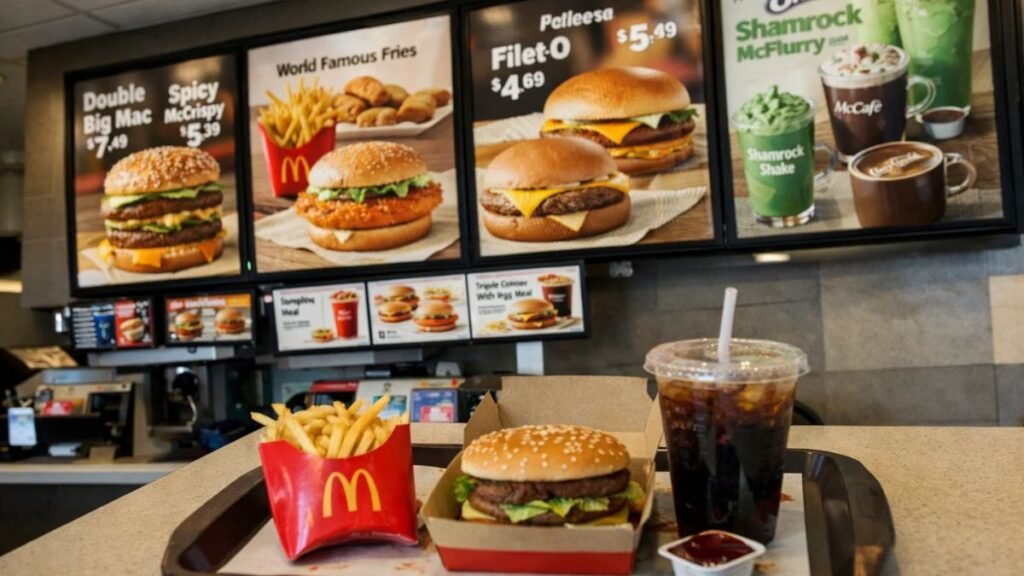
At its core, the class action lawsuit accuses McDonald’s of misleading customers through how it markets and prices certain menu items. This isn’t about food safety or contamination. It’s about perception — how products are presented in ads, how value is communicated, and whether customers are being led to expect more than they receive.
The plaintiffs argue that McDonald’s marketing creates expectations that don’t always line up with the real-world experience at the counter or drive-thru. If that sounds familiar, it’s because similar claims have surfaced against fast-food chains before.
What makes this case different is timing. Inflation has already made people sensitive to value. A meal that feels disappointing at $5 hits differently at $10.
The lawsuit is seeking class action status, which would allow a broad group of customers with similar complaints to be represented together. That’s a crucial step — and one the court hasn’t decided on yet.
Why Customers Are Speaking Up Now
You don’t usually wake up one morning and decide to sue a global brand. These cases tend to build quietly.
Legal experts say class action lawsuits often emerge after years of low-level frustration finally reach a breaking point. And lately, fast-food customers have a lot to be annoyed about.
Prices are climbing faster than many expected. Portion sizes, some customers claim, don’t feel like they used to. And social media has turned comparison into a sport — side-by-side shots of glossy menu photos versus what shows up in the bag.
Consumer psychologists note that trust erodes fastest when disappointment feels repeatable. One bad order is forgettable.
Related: McDonaldland Meal 2025
McDonald’s Pushes Back
McDonald’s has denied the allegations and maintains that its advertising complies with consumer protection laws. In statements shared with major media outlets, the company has emphasized that menu images are illustrative — a long-standing industry practice — and that reasonable customers understand there can be natural variation.
That argument has worked before. In previous fast-food lawsuits, courts have often sided with companies, ruling that consumers shouldn’t expect ads to be literal representations.
McDonald’s also points to the detailed pricing and nutritional information it provides online and in stores. From the company’s perspective, transparency already exists — customers just have to look.
Still, critics argue that disclosure doesn’t always cancel out impression. And in marketing, impression is everything.
How Class Action Lawsuits Actually Work
The phrase “class action” can sound intimidating, but it’s a common tool in consumer law.
In simple terms, one or a few plaintiffs file a lawsuit on behalf of a much larger group who share similar claims. Before anything moves forward, a judge must decide whether the case qualifies for class certification.
That decision hinges on shared facts and legal questions. If the class is certified and the case succeeds or settles, the outcome applies to all eligible members — not just the people who filed the lawsuit.
The U.S. court system often uses class actions when individual damages might be too small to pursue alone but significant when added together. Consumer law experts say it’s one of the few ways everyday customers can challenge massive corporations.
A Bigger Trend in Fast Food
Zoom out, and this lawsuit doesn’t look isolated.
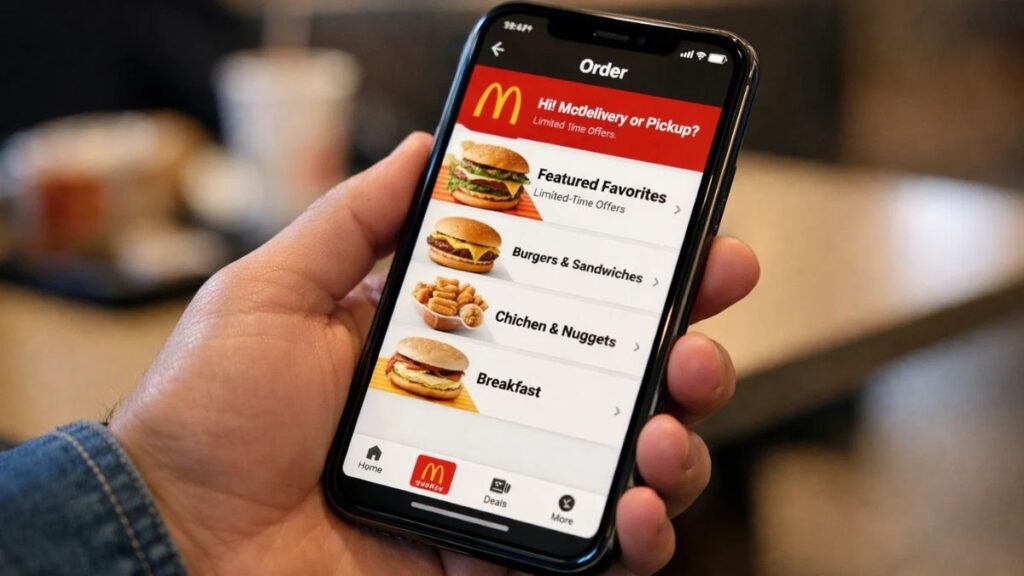
Over the past few years, fast-food chains have faced growing scrutiny over digital pricing, app-only deals, loyalty programs, and delivery markups. Nutritionists note that menus have become more complex, while economists point out that pricing transparency hasn’t always kept pace.
As brands rely more on apps and digital boards that change dynamically, customers can feel like the rules shift without warning. Consumer advocates argue that this creates confusion — and sometimes resentment.
Trust, once shaken, is hard to rebuild. And fast food depends on trust more than most industries. People return because they believe they know what they’re getting.
Related: McDonald’s Grinch Meals Return
What Legal Experts Are Saying
Most legal analysts urge caution. Filing a lawsuit doesn’t mean it will survive early motions, let alone reach trial. Many class action cases are dismissed or quietly settled without any admission of wrongdoing.
But here’s the part companies do take seriously: Pressure.
Even unsuccessful lawsuits can push brands to tweak marketing language, adjust visuals, or rethink pricing strategies. One consumer law professor told a national outlet that litigation often functions as a “course correction mechanism,” whether companies admit it publicly or not.
In other words, the courtroom isn’t the only place these battles are fought.
What Happens Next
Procedurally, the next steps are fairly standard. McDonald’s is expected to file a motion to dismiss. Lawyers on both sides will argue over whether the case meets the threshold for class certification.
If it survives those hurdles, the case could move into discovery, where internal documents and marketing strategies may be examined. That phase alone can take months.
Most cases don’t make it that far. But customers — and competitors — will be watching closely either way.
What Customers Should Know Right Now
At this stage, customers don’t need to take action. No class has been certified, and no claims process exists.
If that changes, courts typically require official notices to be sent out, explaining eligibility and options. Until then, legal experts recommend relying on credible sources rather than viral posts that can blur facts with frustration.
State attorney general offices and federal consumer protection sites often publish clear, plain-language updates when cases reach meaningful milestones.
Why This Case Matters Beyond McDonald’s
This lawsuit isn’t just about one brand. It reflects a shift in how consumers engage with fast food — more skeptical, more vocal, and less willing to shrug off disappointment.
Fast-food companies built their empires on consistency. When that promise feels shaky, even a familiar golden arch can start to look uncertain.
Whether the lawsuit succeeds or not, the message is clear: Customers are watching more closely than ever. And this time, they’re not just scrolling past what they don’t like.
They’re pushing back.
Related: McDonald’s Breakfast Sauce Recipe
FAQs
What is the McDonald’s class action lawsuit about?
The lawsuit alleges that McDonald’s misled customers through certain marketing and pricing practices, particularly around how menu items are presented and perceived.
Has McDonald’s responded to the lawsuit?
Yes. McDonald’s has denied any wrongdoing and says its advertising follows the law and industry standards, emphasizing that menu images are illustrative.
What does class action status mean for customers?
If the court certifies the class, eligible customers would be included automatically and notified of their rights, including whether to participate or opt out.
If you enjoyed this article, don’t forget to follow and subscribe for more health tools, recipes, and news!
Sources
- Federal Trade Commission (FTC) — Advertising and Marketing Basics: What Makes Advertising Misleading
https://www.ftc.gov/business-guidance/advertising-marketing
Used for legal definitions and federal standards related to misleading or deceptive advertising. - Reuters — Fast-food and consumer protection lawsuit coverage
https://www.reuters.com/legal/
Referenced for historical and industry-wide legal context involving major restaurant chains.

Muhammad Ahtsham is the founder of EatLikeFit.com and a nutrition researcher dedicated to healthy weight management. He provides practical, science-backed advice on high-protein diets and affordable meal planning to help readers achieve their fitness goals simply and effectively.