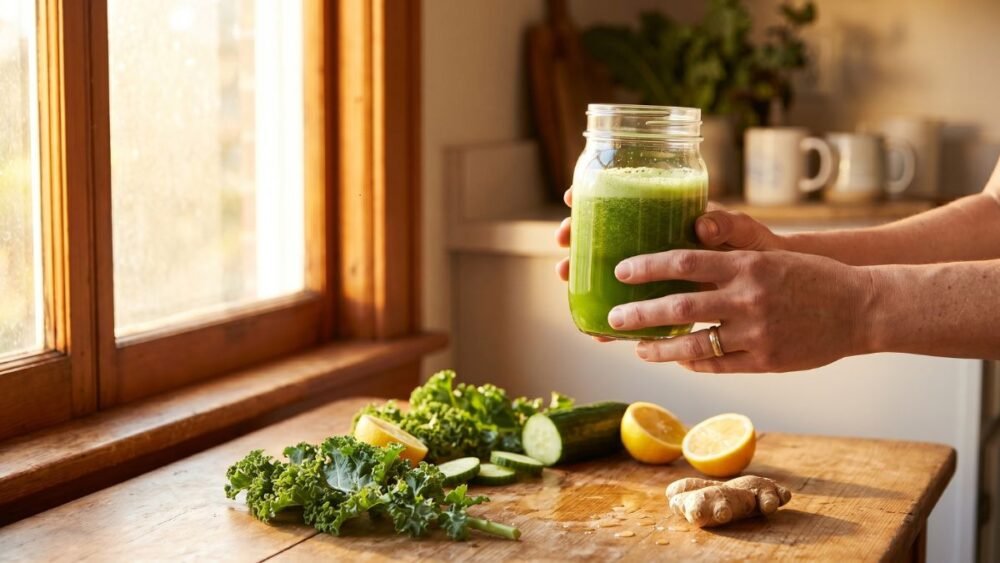
There’s something almost hopeful about a fresh glass of juice.
You wake up, toss a few vibrant greens and fruits into the juicer, and suddenly it feels like you’re doing something powerful for your body. But here’s the truth most people don’t tell you:
Not all juices help with weight loss.
Some can actually slow your progress if you choose the wrong ingredients.
In this guide, I’ll break down the best foods to juice for weight loss, the science behind why they work, and exactly how to use them to see real results—without starving yourself or falling into trendy detox traps.
Jump To
Best Foods to Juice for Weight Loss
The best foods to juice for weight loss are low-calorie, high-nutrient ingredients that support metabolism and reduce bloating.
Top choices include:
- Leafy greens (spinach, kale)
- Hydrating vegetables (cucumber, celery)
- Fiber-rich options (cabbage)
- Low-sugar fruits (berries, green apple, grapefruit)
- Fat-burning add-ins (ginger, lemon, turmeric)
👉 The key: Keep sugar low and nutrients high.
Why Juicing Helps with Weight Loss
Juicing isn’t magic—but when done right, it can support weight loss in a powerful way.
1. Low-Calorie, High-Nutrient Intake
Vegetable-based juices deliver vitamins and minerals with very few calories. This helps create a natural calorie deficit.
2. Hydration Boost
Many people confuse thirst with hunger. Juicing hydrates your body quickly, reducing unnecessary snacking.
3. Easier Digestion
Fresh juices are easier for your body to absorb, especially in the morning when digestion is slower.
4. Reduced Cravings
Nutrient-dense juices can stabilize blood sugar, helping you avoid junk food cravings.
💡Juicing works best as a support tool, not a full diet replacement.
Best Vegetables to Juice for Weight Loss 🥬
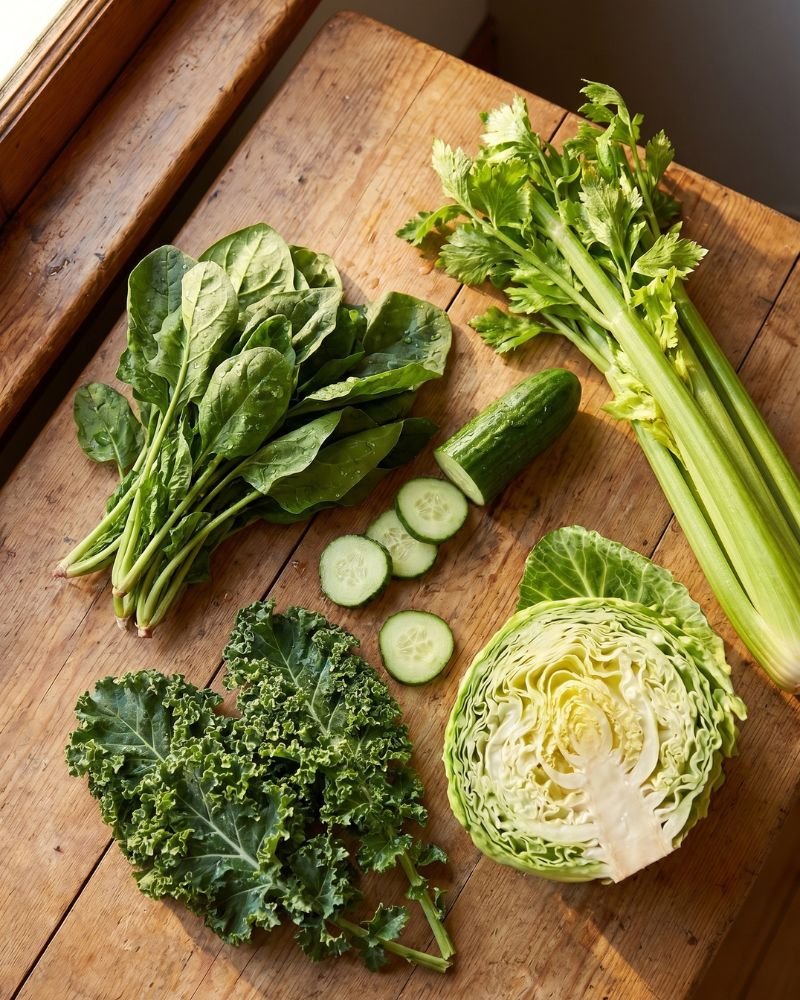
If you remember only one thing from this article, make it this:
👉 Vegetables should make up 70–80% of your juice.
Top Fat-Loss Vegetables
1. Spinach
- Extremely low in calories
- Rich in iron and magnesium
- Helps reduce cravings
2. Kale
- Packed with antioxidants
- Supports metabolism
- Slightly bitter (balance with lemon)
3. Cucumber
- High water content (great for bloating)
- Refreshing and hydrating
4. Celery
- Natural diuretic
- May help reduce water retention
5. Cabbage
- Supports digestion
- Helps flatten the stomach
👉 If you enjoy simple veggie-based drinks, you’ll love this green juice guide:
Green Juice Recipe for Weight Loss
Vegetables = low calories + high nutrients = better fat loss support.
Best Fruits to Juice (Use in Moderation) 🍎
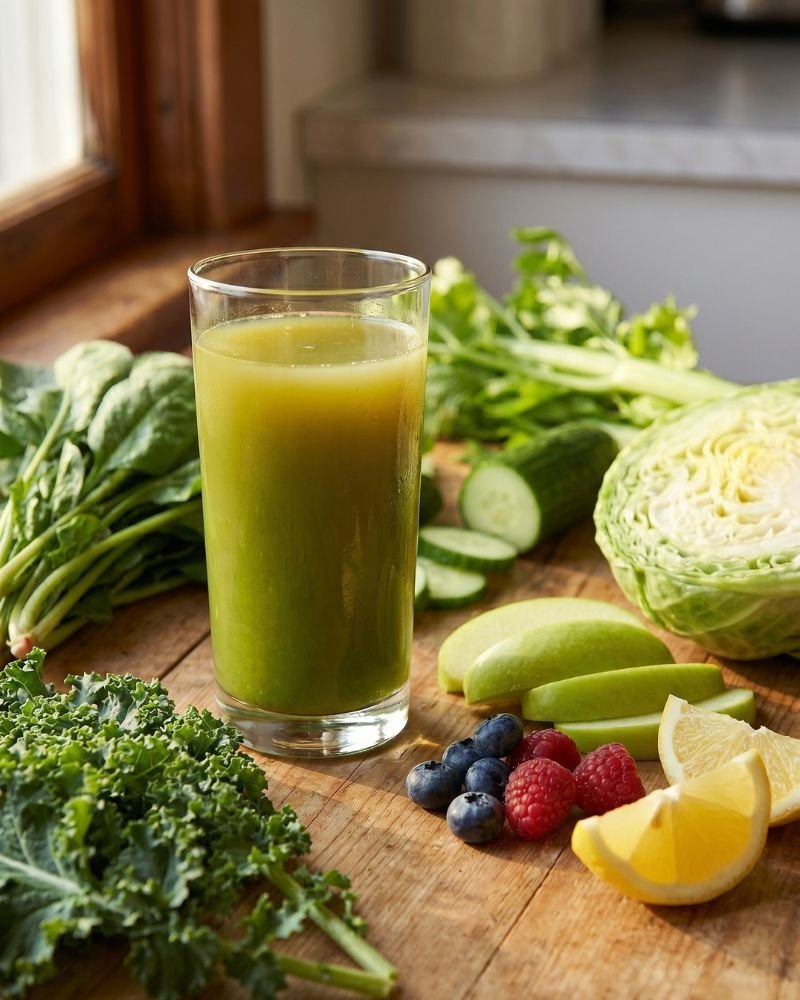
Fruits add flavor—but too much can turn your “healthy juice” into a sugar bomb.
Smart Fruit Choices
1. Green Apple
- Adds sweetness without excessive sugar
- Contains fiber compounds that support digestion
2. Berries (Strawberries, Blueberries)
- Low in sugar
- High in antioxidants
3. Lemon
- Boosts flavor instantly
- Supports digestion and detox pathways
4. Grapefruit
- Linked to fat metabolism
- Helps control appetite
💡 Pro Tip: Use 1 fruit per juice max.
Fat-Burning Add-Ins 🔥
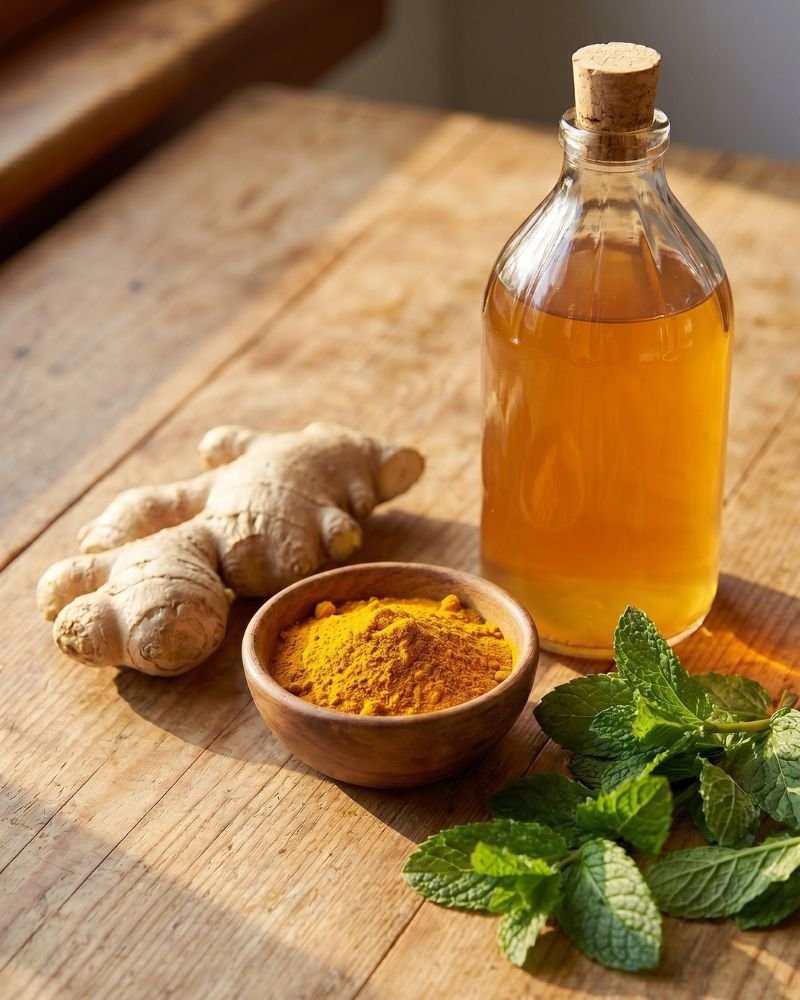
These small ingredients make a big difference.
Powerful Additions
- Ginger → Boosts metabolism & reduces inflammation
- Turmeric → Supports fat metabolism
- Mint → Improves digestion and taste
- Apple Cider Vinegar → May help regulate blood sugar
👉 Want more natural fat-burning drinks? Check this:
Miracle Weight Loss Drink Recipe
Add-ins turn a basic juice into a functional fat-loss drink.
5 Powerful Juice Recipes for Weight Loss
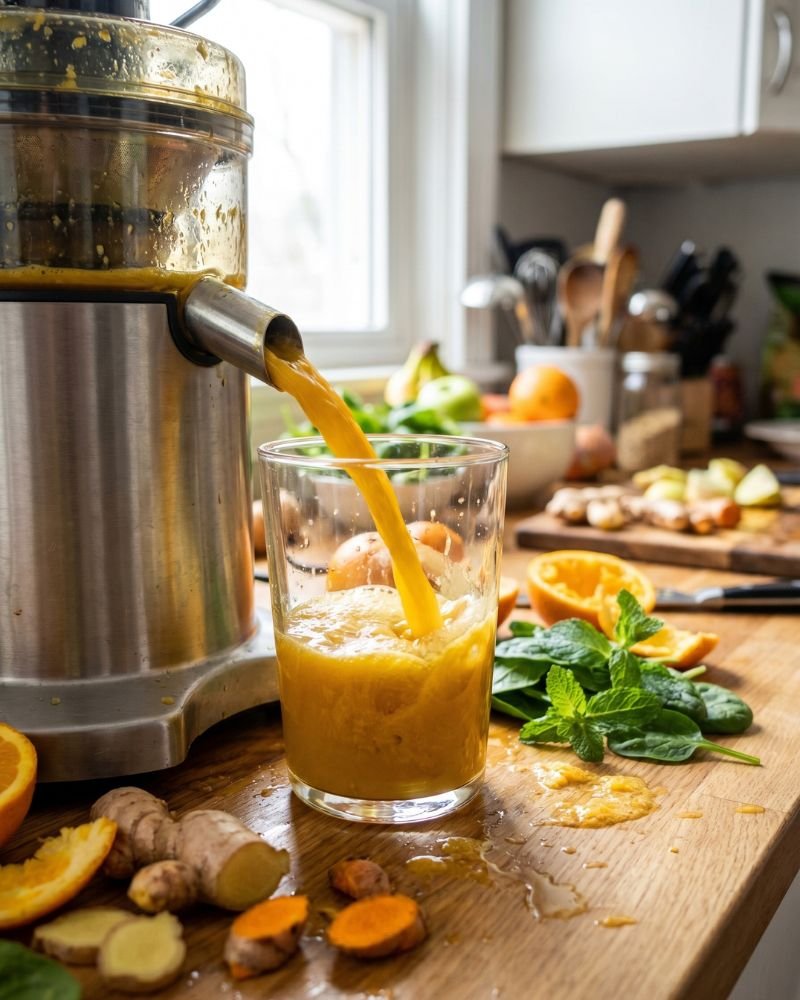
These are practical, real-life recipes you can start today.
1. Green Detox Juice
- Spinach
- Cucumber
- Celery
- Lemon
- Ginger
Best for: Morning cleanse
2. Belly Fat Burner Juice
- Cabbage
- Green apple
- Lemon
- Ginger
Best for: Reducing bloating
3. Morning Metabolism Juice
- Kale
- Celery
- Grapefruit
- Mint
Best for: Kickstarting your day
4. Anti-Bloating Juice
- Cucumber
- Lemon
- Mint
- Ginger
Best for: Flat stomach effect
5. Immune Booster Juice
- Carrot
- Orange (small amount)
- Turmeric
- Lemon
Best for: Overall health + fat loss support
When to Drink Juices for Best Results
Timing matters more than people think.
Best Times:
- Morning (empty stomach) → maximum absorption
- Before meals → reduces appetite
- Post-workout → replenishes nutrients
Avoid:
- Drinking juice late at night
- Using juice as a full meal replacement long-term
Common Juicing Mistakes (Avoid These) 💣
Let’s be honest—this is where most people fail.
1. Too Much Fruit
Result: High sugar → fat storage
2. Skipping Meals
Juice alone isn’t enough for long-term nutrition.
3. Over-Juicing
More isn’t better. 1–2 juices per day is enough.
4. Ignoring Protein
Pair juices with protein meals like:
High Protein Yogurt Bowl
Balance is everything.
Juicing vs Smoothies: Which Is Better?
This is a common debate.
| Feature | Juicing | Smoothies |
|---|---|---|
| Fiber | Low | High |
| Absorption | Fast | Slower |
| Fullness | Less | More |
| Calories | Lower | Higher |
👉 Best approach: Use both strategically.
If you want fullness → smoothies
If you want detox & hydration → juices
Can Juicing Help You Lose Belly Fat?
Yes—but indirectly.
Juicing helps by:
- Reducing bloating
- Lowering calorie intake
- Improving digestion
But fat loss still depends on:
- Overall diet
- Activity level
- Consistency
👉 For deeper fat-loss strategies, explore:
My Favorite Foods to Lose Weight Fast
7-Day Juice Plan for Weight Loss
Here’s a simple plan most articles miss.
Day 1–3:
- Morning: Green Detox Juice
- Lunch: Balanced meal
- Evening: Anti-Bloating Juice
Day 4–5:
- Morning: Metabolism Juice
- Pre-lunch: Small juice
- Dinner: Light protein meal
Day 6–7:
- Morning: Any green juice
- Afternoon: Optional juice
- Focus on whole foods
💡 Goal: Support fat loss, not starve your body.
Tools to Boost Your Results
To make your progress smarter (not harder), use these:
1. BMI Calculator
Understand your current body status and realistic goals.
2. Recipe Nutrition Calculator
Track calories and nutrients in your juices.
3. Recipe Converter
Perfect for adjusting juice quantities for meal prep.
These tools help you stay consistent and data-driven.
Final Thoughts
Juicing can absolutely support weight loss—but only when done right.
It’s not about drinking random fruit juices and hoping for miracles.
It’s about:
- Choosing the right ingredients
- Keeping sugar low
- Staying consistent
- Combining juices with a balanced diet
Start simple. Stay consistent. And let your body respond.
FAQs
Is juicing good for weight loss?
Yes, juicing can support weight loss by reducing calorie intake, improving hydration, and delivering essential nutrients—when done with low-sugar ingredients.
How many days does it take to see results?
Most people notice reduced bloating within 3–5 days, while fat loss depends on overall diet and consistency.
Can I drink juice every day?
Yes, 1–2 servings daily is safe and effective when combined with a balanced diet.
Should I replace meals with juice?
No. Juice should support meals, not replace them long-term.
If you enjoyed this article, don’t forget to follow and subscribe for more health tools, recipes, and news!

Muhammad Ahtsham is the founder of EatLikeFit.com and a nutrition researcher dedicated to healthy weight management. He provides practical, science-backed advice on high-protein diets and affordable meal planning to help readers achieve their fitness goals simply and effectively.