

There’s a moment many people hit after years of calorie counting, complicated meal prep, and endless food rules: total burnout.
That’s usually when the carnivore diet starts sounding surprisingly appealing.
No macro math.
No green powders.
No “healthy” snack bars that still leave you hungry an hour later.
Just simple, protein-rich meals designed to keep you full and make eating feel easier again.
A well-structured 30-day carnivore diet meal plan can help reduce decision fatigue, stabilize appetite, simplify grocery shopping, and potentially support weight loss goals. For some people, it also becomes a reset button after years of ultra-processed eating.
But jumping into carnivore without a plan? That’s where beginners struggle.
This guide walks you through exactly what to eat during your first 30 days, including weekly meal ideas, grocery lists, beginner mistakes, snack options, hydration tips, and practical advice that makes the transition more realistic in everyday life.
Jump To
What Is the Carnivore Diet?
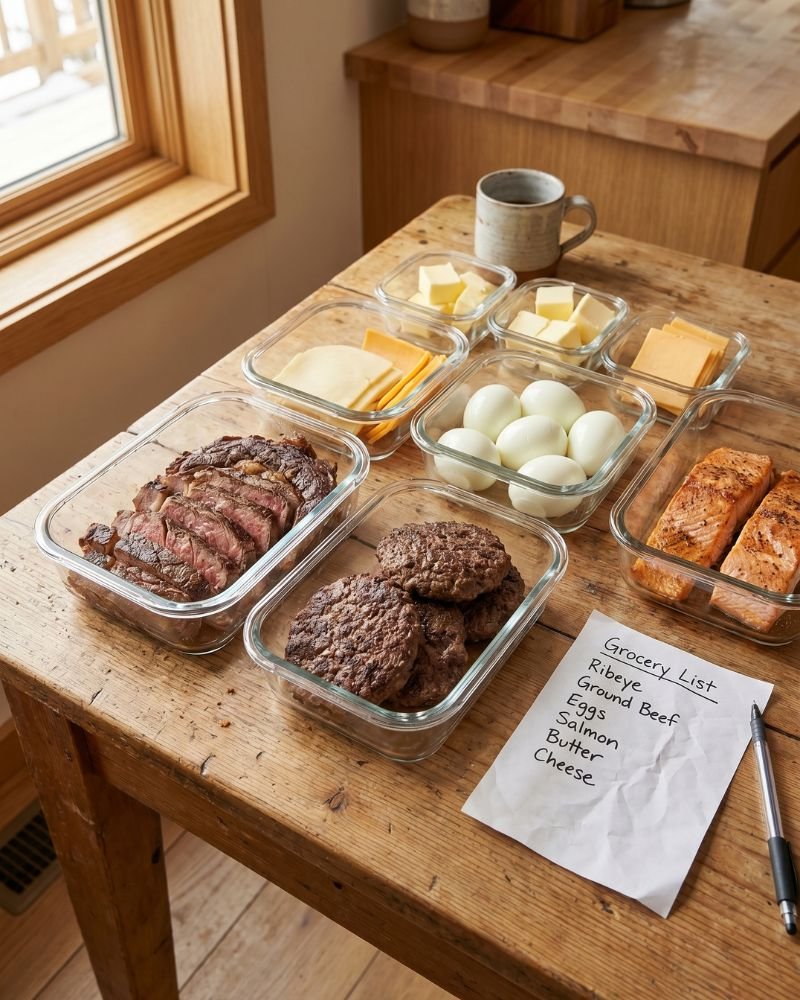
The carnivore diet is an animal-based eating plan that focuses almost entirely on foods from animal sources.
Unlike keto, paleo, or low-carb diets that still allow vegetables, nuts, or berries, carnivore strips things down even further. Most people eat:
- Beef
- Eggs
- Chicken
- Fish
- Butter
- Cheese
- Bacon
- Organ meats
- Bone broth
Some versions are stricter than others.
For example:
| Carnivore Style | Foods Included |
|---|---|
| Strict Carnivore | Meat, salt, water |
| Standard Carnivore | Meat, eggs, butter, seafood |
| Animal-Based | Includes raw honey, dairy, fruit |
A lot of beginners start with a more flexible version first because it’s easier to sustain socially and mentally.
If you’re transitioning from a high-carb diet, the first week can feel rough. Low energy, cravings, and headaches are common while your body adapts. That’s why hydration and electrolytes matter so much.
The carnivore diet removes plant foods and centers meals around animal proteins and fats. Most people use it for simplicity, weight loss, or appetite control.
Benefits of a Carnivore Diet
The carnivore diet has become popular for one major reason: simplicity.
You stop obsessing over food decisions.
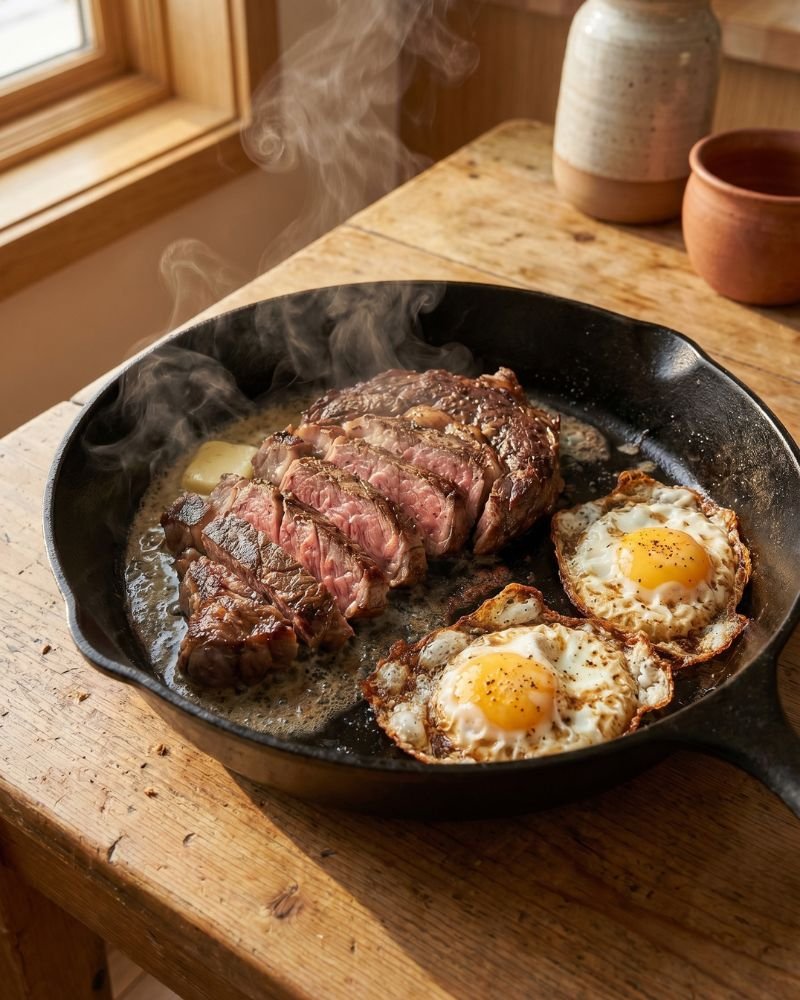
Instead of juggling ingredient labels and complicated recipes, meals often become as simple as steak and eggs.
Here are the biggest reasons people try it.
Weight Loss Support
High-protein meals tend to be naturally filling.
Many people notice they snack less because protein and fat help control hunger longer than ultra-processed carbs.
A typical carnivore meal may include:
- Ribeye steak with butter
- Ground beef bowls
- Eggs cooked in beef tallow
- Salmon with crispy skin
This often reduces overall calorie intake without intentionally dieting.
You may also like our guide on the GLP-1 approach in the GLP-1 Diet Plan.
Appetite Control
One surprising thing beginners notice is how quiet food cravings become after the first couple of weeks.
Without constant sugar spikes and processed snacks, hunger often becomes more predictable.
High Protein Intake
Protein supports:
- Muscle maintenance
- Recovery
- Satiety
- Metabolism
That’s especially useful during fat-loss phases.
If you want additional protein-focused meal inspiration, check out Bulking Meal Prep and High Protein Crock Pot Recipes.
Simplicity
This is the biggest underrated benefit.
No complicated recipes.
No endless ingredient lists.
No decision fatigue.
Some people eat the same few meals repeatedly and love the consistency.
Most people try carnivore for fat loss, appetite control, simplicity, or higher protein intake. The reduced food choices can make healthy eating feel easier.
Foods You Can Eat
The best carnivore meal plans focus on nutrient-dense animal foods rather than processed meat products all day long.
Protein Sources
Beef
- Ribeye
- Ground beef
- Chuck roast
- Brisket
- Steak strips
Chicken
- Chicken thighs
- Wings
- Drumsticks
- Rotisserie chicken
For comfort-food inspiration, see Broasted Chicken Recipe and Kentucky Fried Chicken Recipe.
Seafood
- Salmon
- Sardines
- Shrimp
- Tuna
- Mackerel
Eggs
Eggs are one of the easiest beginner-friendly carnivore foods because they’re affordable, versatile, and high in protein.
Organ Meats
- Liver
- Heart
- Kidney
These are nutrient-dense but optional for beginners.
Fats and Dairy
Many carnivore eaters include:
- Butter
- Ghee
- Heavy cream
- Cheese
Hard cheeses usually work best for beginners.
Drinks
Most people stick to:
- Water
- Sparkling water
- Black coffee
- Bone broth
You can also read Carnivore Diet Drinks for more ideas.
Focus on protein-rich animal foods like beef, eggs, chicken, seafood, butter, and cheese. Prioritize whole foods over processed meats whenever possible.
Foods to Avoid
During your 30-day carnivore reset, avoid:
- Bread
- Pasta
- Rice
- Chips
- Candy
- Soda
- Fruit juice
- Vegetables
- Beans
- Sugary sauces
- Seed oils
- Desserts
Some people also remove:
- Artificial sweeteners
- Alcohol
- Protein bars
The cleaner your first 30 days are, the easier it becomes to understand how your body responds.
30-Day Carnivore Diet Meal Plan
The goal here isn’t perfection.
It’s consistency.
Most beginners succeed when meals stay repetitive and easy.
Week 1: Transition Phase
This week is about reducing carbs and adjusting.
Day 1
- Breakfast: Scrambled eggs with butter
- Lunch: Burger patties with cheese
- Dinner: Ribeye steak
Day 2
- Breakfast: Bacon and eggs
- Lunch: Chicken thighs
- Dinner: Salmon with butter
Day 3
- Breakfast: Omelet with cheddar
- Lunch: Ground beef bowl
- Dinner: Pork chops
Day 4
- Breakfast: Fried eggs
- Lunch: Tuna patties
- Dinner: Roast beef
Day 5
- Breakfast: Sausage and eggs
- Lunch: Chicken wings
- Dinner: Steak with bone broth
Day 6
- Breakfast: Cheese omelet
- Lunch: Salmon patties
- Dinner: Ground beef skillet
Day 7
- Breakfast: Eggs and bacon
- Lunch: Burger bowls
- Dinner: Slow-cooked chuck roast
Week 1 Tip
Drink extra water and increase sodium intake. Many “carnivore flu” symptoms are actually electrolyte-related.
Week 1 focuses on simple meals and adapting to lower carbs. Expect cravings and temporary fatigue early on.
Week 2: Building Consistency
By now, hunger usually stabilizes.
Meal Ideas
- Steak and eggs
- Crispy chicken thighs
- Ground beef with butter
- Salmon and shrimp
- Bunless burgers
- Beef short ribs
- Cheese omelets
A lot of people notice:
- Fewer cravings
- Longer fullness
- Simpler grocery shopping
This is also when meal prep becomes useful.
Cook:
- Several pounds of ground beef
- Hard-boiled eggs
- Chicken thighs
- Burger patties
Store everything in containers for easy meals.
Week 2 is about routine. Meal prep and repetition make the diet easier and more sustainable.
Week 3: Higher Energy and Better Appetite Control
This is where many people begin feeling more adapted.
Meals become intuitive instead of stressful.
Sample Day
Breakfast
Eggs cooked in butter with bacon
Lunch
Ground beef patties with cheddar cheese
Dinner
Salmon with crispy skin and bone broth
Snack
Pork rinds or boiled eggs
You can also experiment with:
- Air fryer steak bites
- Slow-cooked brisket
- Bone marrow
- Sardines
If you need snack inspiration, read Pork Rinds Carnivore Diet.
Week 3 often feels easier mentally and physically. Hunger becomes more stable and meal planning gets simpler.
Week 4: Long-Term Sustainability
By the final week, most people know whether carnivore fits their lifestyle.
Some continue long term. Others transition into:
- Keto
- Animal-based eating
- Higher-protein low-carb diets
Best Meals for Week 4
- Ribeye steak with butter
- Beef and eggs bowls
- Rotisserie chicken
- Slow-cooked beef ribs
- Salmon and shrimp platters
- Cheese omelets
- Beef liver mixed into ground beef
This is also a good time to evaluate:
- Energy
- Sleep
- Weight changes
- Cravings
- Digestion
Week 4 helps you decide whether to continue strict carnivore or transition into a more flexible low-carb lifestyle.
Easy Carnivore Snacks
Not everyone snacks on carnivore, but beginners often need convenient options.
Best Carnivore Snack Ideas
- Hard-boiled eggs
- Beef jerky
- Pork rinds
- Cheese sticks
- Turkey slices
- Sardines
- Cold burger patties
- Bone broth
Travel tip: Keep portable protein options nearby during your first two weeks because cravings can hit hard.
Carnivore Grocery List
Here’s a beginner-friendly weekly grocery list.
| Protein | Fat & Dairy | Extras |
|---|---|---|
| Ground beef | Butter | Salt |
| Ribeye steaks | Ghee | Electrolytes |
| Chicken thighs | Cheese | Sparkling water |
| Bacon | Heavy cream | Bone broth |
| Salmon | Cream cheese | Coffee |
| Eggs | Beef tallow | Pork rinds |
Buying meat in bulk can dramatically lower costs.
Warehouse stores and freezer meal prep help a lot.
For budget meal strategies, our upcoming Carnivore Diet on a Budget guide can help simplify shopping.
Common Mistakes

Not Eating Enough Fat
Ultra-lean meat can leave you tired and hungry.
Add:
- Butter
- Egg yolks
- Fatty cuts
- Beef tallow
Ignoring Electrolytes
Low-carb diets increase water loss.
Many beginners need:
- Sodium
- Potassium
- Magnesium
Overcomplicating Meals
You do not need gourmet carnivore recipes every day.
Simple works best.
Eating Too Little
Some beginners unintentionally under-eat because meals are so filling.
That often backfires later with cravings and fatigue.
The most common carnivore mistakes are low electrolytes, insufficient fat intake, and making the diet unnecessarily complicated.
Tips for Beginners
Start Simple
You don’t need exotic meats or complicated recipes.
Start with:
- Eggs
- Ground beef
- Steak
- Chicken thighs
- Butter
Meal Prep Helps
Batch cooking reduces temptation.
A fridge full of cooked protein makes consistency easier.
Expect an Adjustment Period
The first week may feel strange.
That’s normal.
Most people feel better after hydration, electrolytes, and consistent meals improve.
Don’t Compare Your Results
Some people lose weight rapidly. Others notice appetite or digestion changes first.
Every body responds differently.
Beginners succeed when they keep meals simple, prioritize electrolytes, and stay consistent through the first adaptation phase.
Helpful Tools to Use During Your Carnivore Journey
BMI Calculator
A BMI Calculator can help you establish a realistic starting point before beginning a new eating plan. It’s especially useful for tracking overall progress during your first month.
Recipe Nutrition Calculator
Even on carnivore, nutrition tracking can help you understand:
- Protein intake
- Calories
- Fat ratios
- Electrolytes
This becomes helpful if weight loss stalls or energy feels inconsistent.
Recipe Converter
Cooking for families while eating carnivore yourself can get tricky fast.
A Recipe Converter helps adjust serving sizes for:
- Meal prep
- Batch cooking
- Family portions
You can also use our Recipe Converter Calculator for faster portion adjustments.
Final Thoughts
The biggest surprise about the carnivore diet isn’t how restrictive it looks from the outside.
It’s how simple eating suddenly feels.
For many people, the first 30 days become less about chasing perfection and more about removing constant food noise. Meals become predictable. Hunger becomes calmer. Grocery shopping becomes easier.
That doesn’t mean carnivore is magic. And it’s definitely not the only healthy eating style out there.
But for people overwhelmed by complicated diets, it can feel refreshingly straightforward.
Start simple.
Stay hydrated.
Focus on consistency over perfection.
The first month teaches you a lot about your habits, your hunger, and what actually keeps you satisfied.
FAQs
Can you lose weight on a carnivore diet?
Many people lose weight because carnivore meals are high in protein and naturally filling. Reduced processed food intake may also help lower overall calorie consumption.
Is coffee allowed on carnivore?
Some people drink black coffee on carnivore, while stricter versions avoid plant-based beverages entirely. Most beginners still include coffee.
Can I eat cheese on the carnivore diet?
Yes, many carnivore eaters include cheese, butter, and heavy cream. Hard cheeses are often better tolerated.
Can I exercise while doing carnivore?
Yes. Some people notice reduced performance during the first couple of weeks while adapting, but energy usually improves over time.
Is the carnivore diet safe?
The carnivore diet may not be appropriate for everyone, especially those with certain medical conditions. It’s smart to speak with a healthcare professional before making major dietary changes.
If you enjoyed this article, don’t forget to follow and subscribe for more health tools, recipes, and news!

Muhammad Ahtsham is the founder of EatLikeFit.com and a nutrition researcher dedicated to healthy weight management. He provides practical, science-backed advice on high-protein diets and affordable meal planning to help readers achieve their fitness goals simply and effectively.