
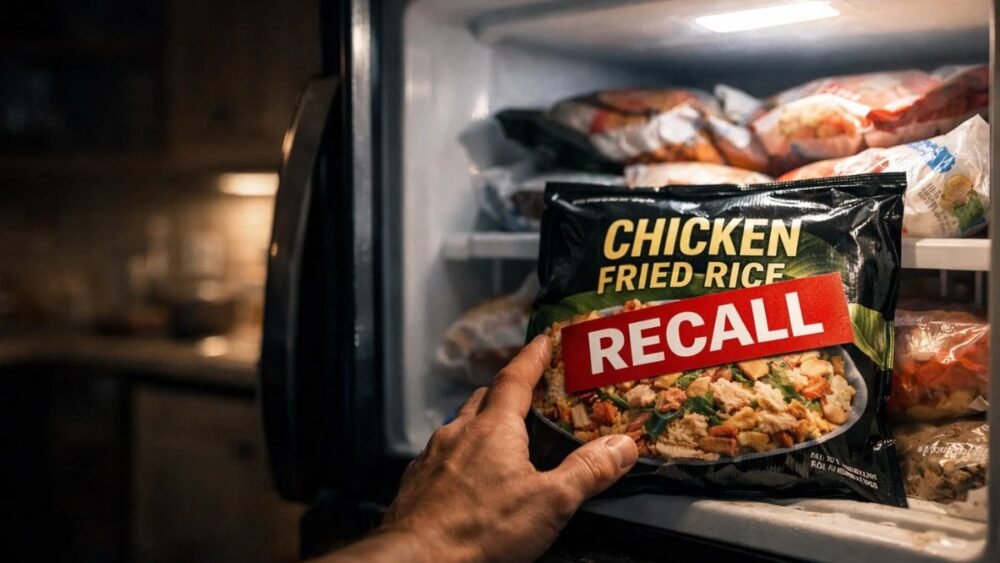
Your freezer might be holding dinner — or a potential health risk. A newly announced chicken fried rice recall is prompting urgent warnings from federal regulators, and officials say consumers should check their packaging immediately.
According to authorities, certain batches of frozen chicken fried rice have been pulled from shelves after routine safety testing detected possible bacterial contamination. For families who rely on frozen meals for quick weeknight dinners, the news lands hard — and fast.
This development is now being closely analyzed for the EatLikeFit community as part of our ongoing food safety coverage.
Jump To
Key Takeaways
- Certain frozen chicken fried rice products are under recall due to potential bacterial contamination.
- Consumers are advised not to eat affected products, even if they appear normal.
- Symptoms of foodborne illness may include fever, nausea, vomiting, and abdominal cramps.
- Vulnerable groups — including older adults and pregnant individuals — face higher risk.
- Officials are investigating distribution across multiple states.
What Is Behind the Chicken Fried Rice Recall?
Health experts say the recall was initiated after testing flagged contamination concerns in specific production lots. While the investigation is ongoing, regulators have not ruled out the presence of harmful pathogens commonly associated with cooked poultry and rice products.
The U.S. Food and Drug Administration confirmed that the recall was issued as a precautionary measure while further testing continues. The Centers for Disease Control and Prevention is monitoring for any related illness reports.
Early findings suggest the contamination may have occurred during processing or packaging. According to regulators, even properly frozen foods can pose risks if contamination happens before freezing.
Why Does Rice Pose Unique Food Safety Risks?
Cooked rice can become a breeding ground for bacteria if it is not cooled and stored correctly before freezing. Health experts say organisms such as Salmonella, Listeria monocytogenes, and Bacillus cereus are often investigated in recalls involving ready-to-eat rice dishes.
The World Health Organization has previously warned that improperly handled cooked grains are a common source of foodborne illness globally.
Foodborne bacterial contamination occurs when harmful microorganisms enter food during production, preparation, or storage, potentially leading to illness after consumption
In past recall coverage — including our reports on the ground beef recalled alert and the FDA butter recall 2025 — experts have stressed that early detection helps prevent wider outbreaks.
How Widespread Is the Recall?
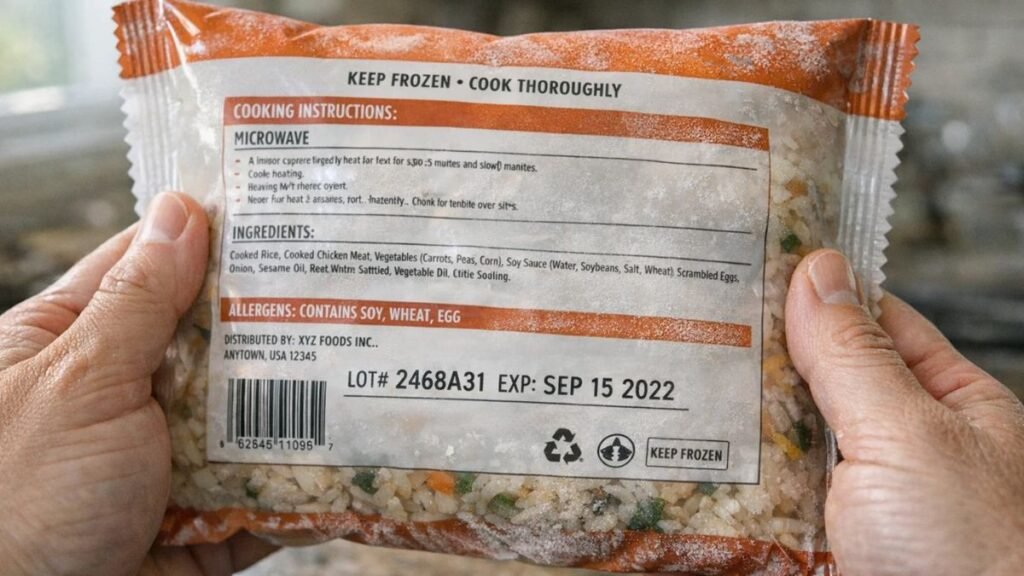
Officials say distribution records show the affected chicken fried rice was sold in multiple states through major grocery retailers. Stores are actively removing impacted batches from shelves.
Consumers should:
- Check the brand name and lot code printed on the package.
- Compare it with official recall notices.
- Return the product for a refund or discard it safely.
If you frequently stock frozen meals, you may also want to review our guide to healthiest Trader Joe’s frozen foods for safer alternatives vetted by nutrition experts.
What Symptoms Should Consumers Watch For?
According to health experts, symptoms of foodborne illness linked to contaminated poultry and rice dishes can appear within hours — or up to several days later.
Common signs include:
- Fever
- Diarrhea
- Vomiting
- Stomach cramps
- Muscle aches
In severe cases, dehydration or bloodstream infections may occur, particularly in older adults, pregnant individuals, young children, or those with weakened immune systems.
If symptoms are persistent or severe, medical evaluation is recommended.
For readers tracking broader food safety trends, this recall follows other recent alerts, including a nationwide shrimp recall 2025 and the salmonella outbreak eggs recall.
What This Means for You
Frozen meals are a staple in many American households. They’re affordable, convenient, and often marketed as safe and fully cooked. But according to regulators, no food category is immune to risk.
This recall serves as a reminder to:
- Monitor official safety alerts.
- Store frozen foods at recommended temperatures.
- Avoid consuming products included in recall notices.
For families aiming to reduce reliance on packaged frozen meals, simple home-cooked options — such as meals from our high-protein crock pot recipes collection — can provide greater control over ingredients and storage practices.
How Are Officials Responding?
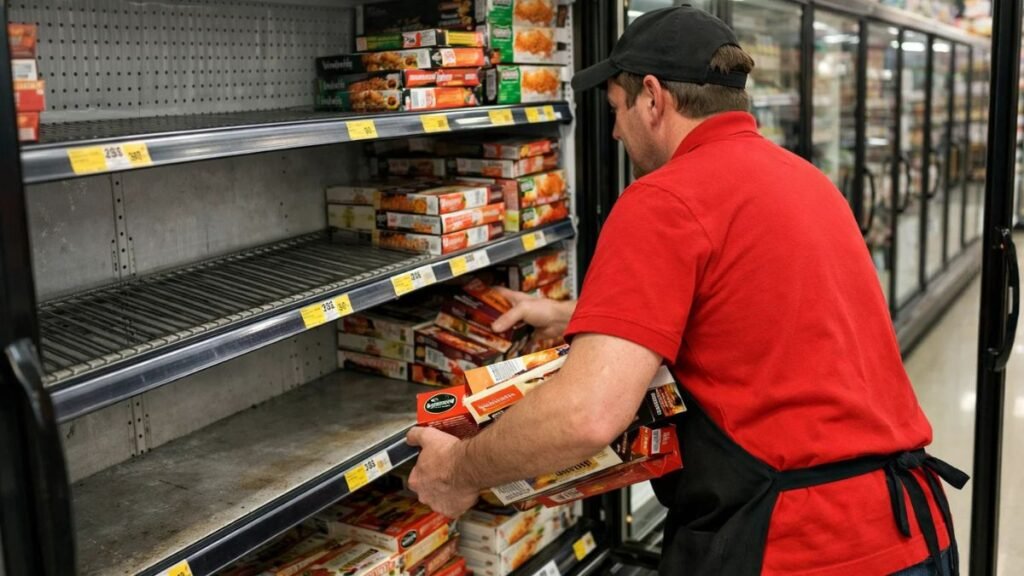
The manufacturer has initiated a voluntary recall in cooperation with federal authorities. Production lines are under review, and additional microbial testing is underway.
According to regulators, no widespread outbreak has been confirmed at this time, but investigations remain active.
Health experts say recalls like this demonstrate that food surveillance systems are functioning as intended — identifying potential hazards before they escalate.
What Happens Next?
Investigators will trace the contamination source, determine whether additional batches are affected, and evaluate whether corrective manufacturing measures are needed.
If confirmed illnesses emerge, case counts will likely be updated publicly.
For now, the message is direct: check your freezer, stay informed, and act quickly if you have the recalled chicken fried rice product.
Food recalls can feel alarming. But early awareness — and responsible consumer response — remains the strongest safeguard.
FAQs
What should I do if I purchased the recalled chicken fried rice?
Do not eat it. Check the lot number and return it to the retailer for a refund or dispose of it according to local guidelines.
Can reheating the chicken fried rice make it safe?
Not necessarily. Some bacterial toxins are heat-stable and may not be destroyed by reheating.
Who is most at risk from contaminated frozen meals?
Older adults, pregnant individuals, young children, and immunocompromised people face the highest risk of complications.
Where can I check official recall updates?
Consumers can monitor updates through the FDA and CDC websites for the latest information.
If you enjoyed this article, don’t forget to follow and subscribe for more health tools, recipes, and news!

Muhammad Ahtsham is the founder of EatLikeFit.com and a nutrition researcher dedicated to healthy weight management. He provides practical, science-backed advice on high-protein diets and affordable meal planning to help readers achieve their fitness goals simply and effectively.