
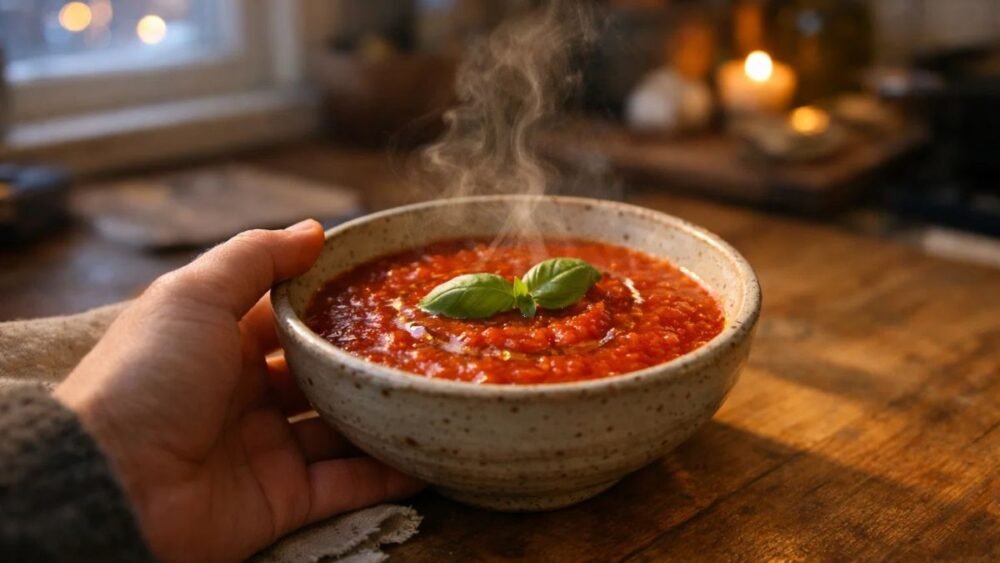
There’s something quietly reassuring about tomato soup. I think most of us reach for it without much thought — when we’re sick, tired, short on time, or just craving something warm and familiar. It feels like a “safe” food. Wholesome by reputation alone.
But lately, as nutrition advice gets more specific and a little louder, people keep asking the same thing: is tomato soup actually good for you — or does it just feel healthy?
The honest answer sits somewhere in the middle. Yes, tomato soup can be good for you. But whether it truly earns that reputation depends on what’s in it, how it’s made, and how often it shows up on your table. Dietitians say tomato soup isn’t a health hero or a villain — it’s a classic case of “it depends.”
Let’s slow it down and look at what’s really going on in that bowl.
Jump To
Why Tomato Soup Gets a Health Halo
At its simplest, tomato soup starts with tomatoes. And that alone gives it a nutritional head start.
Lycopene: The Quiet Heavyweight
Tomatoes are one of the best dietary sources of lycopene, a powerful antioxidant that researchers have linked to heart health and lower inflammation. What surprises many people — myself included when I first learned this — is that cooking tomatoes actually makes lycopene easier for your body to absorb.
Nutrition researchers, including those cited by Harvard T.H. Chan School of Public Health, note that tomato-based sauces and soups may deliver more usable lycopene than raw tomatoes. Heat, in this case, works in your favor.
In plain language: Tomato soup doesn’t weaken the nutrition. It amplifies it.
Related: High Protein Vegan Soup
The Real Nutritional Upside
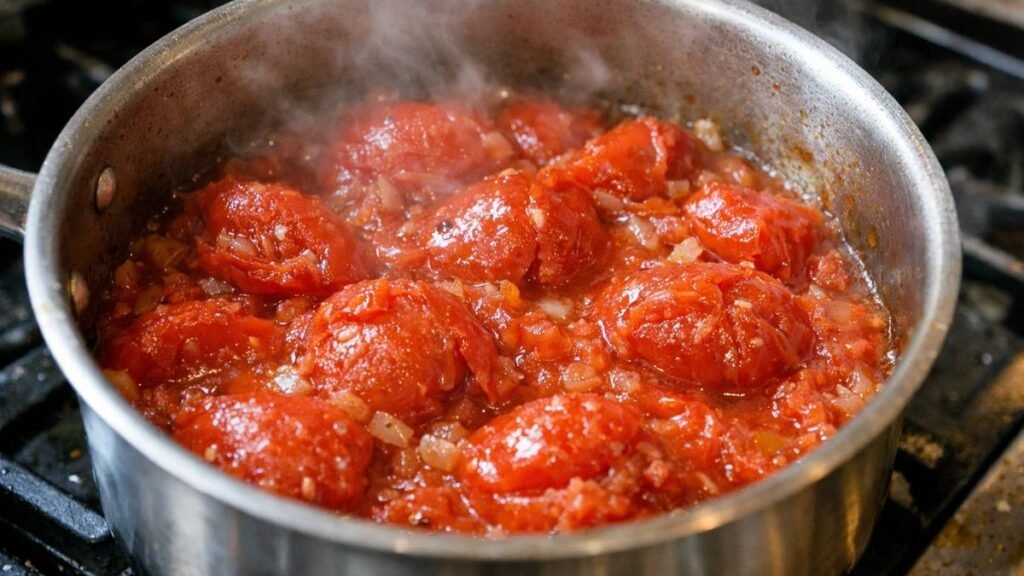
When it’s made simply — without all the extras — tomato soup offers a pretty solid list of benefits:
- Naturally low in calories
- High water content, which supports hydration
- Vitamin C for immune support
- Potassium, which helps regulate blood pressure
- Easy to digest, especially when blended smooth
This is why doctors and dietitians often recommend it during illness or low appetite days. It’s gentle, warming, and still delivers something useful to your body.
Where Tomato Soup Goes Sideways
Here’s the part that trips people up.
Canned Soup Isn’t Always What It Pretends to Be
Many store-bought tomato soups look innocent until you flip the can around. Inside, you’ll often find:
- Very high sodium levels
- Added sugars (to cut tomato acidity)
- Cream or starch-based thickeners
- Preservatives and flavor boosters
Some popular brands contain close to an entire day’s recommended sodium in a single serving. The American Heart Association has repeatedly warned that excess sodium intake raises blood pressure and heart disease risk — even in people who otherwise eat well.
So if you’re asking “is tomato soup good for you?” while holding a can, the ingredient list matters more than the front label ever will.
Creamy vs. Clear: Not a Small Difference
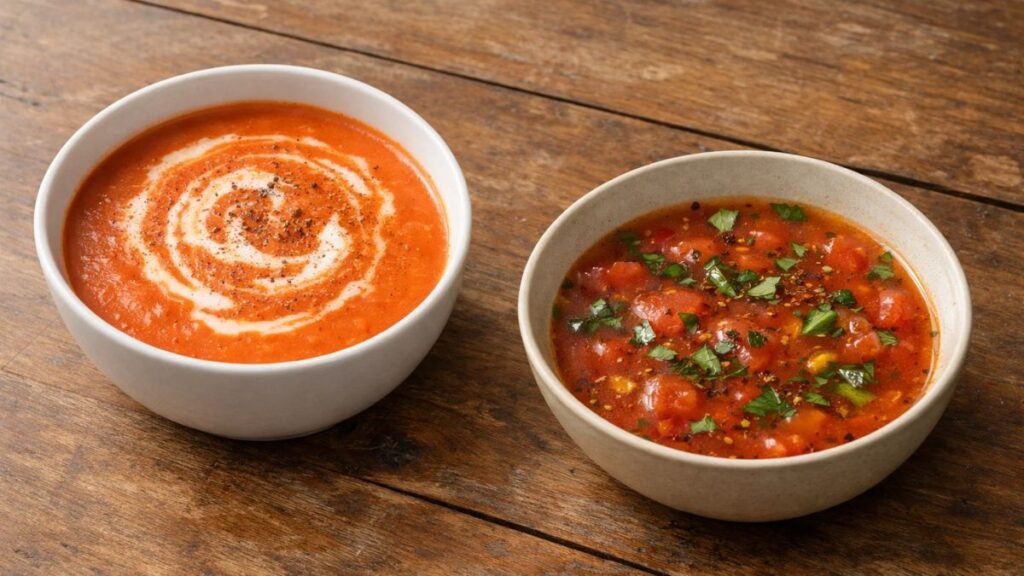
All tomato soups are not created equal, and nutritionists are pretty clear about this distinction.
Cream-based tomato soup
Rich, comforting, and undeniably delicious — but often higher in saturated fat and calories. Experts don’t call it unhealthy, but they do suggest treating it like comfort food, not a daily staple.
Clear or homemade tomato soup
Made with tomatoes, olive oil, garlic, herbs, and broth, this version is where tomato soup really earns its health reputation. Most dietitians agree this style offers the best balance of nutrients, flavor, and heart support.
Related: Foods With More Vitamin C Than an Orange
Can Tomato Soup Help With Weight Loss?
Under the right conditions, yes — and this surprises people.
Tomato soup tends to be filling without being calorie-heavy. It’s warm, which can increase feelings of fullness, and it’s usually eaten slowly. All of that works in your favor.
That said, nutritionists are quick to point out the obvious trap: the soup isn’t the issue — the add-ons are. Oversized grilled cheese sandwiches, buttery croutons, or heavy cream can quietly turn a light meal into a calorie bomb.
The soup itself usually isn’t the problem.
Blood Sugar and Diabetes: What to Know
Tomatoes are naturally low on the glycemic index, meaning plain tomato soup generally doesn’t spike blood sugar. That’s good news.
The concern comes from added sugars, which sneak into many packaged soups. The CDC advises people managing diabetes or prediabetes to check labels closely — tomato soup included — because those added sugars can add up fast.
Tomato Soup and Heart Health
When prepared with olive oil and limited salt, tomato soup can actually support heart health. Studies referenced by the National Institutes of Health suggest tomato-rich diets may help lower LDL cholesterol and reduce oxidative stress.
But — and this is a big “but” — heavy sodium versions can cancel out those benefits entirely.
Again, preparation matters more than the food itself.
Is Tomato Soup Good for You When You’re Sick?

This is where tomato soup’s reputation makes sense.
Doctors often recommend light soups during colds or flu because they help with hydration, are easy to digest, and provide warmth when appetite is low. Tomato soup fits that role well.
It’s not a complete recovery meal — chicken soup still wins for protein — but as a gentle, supportive option, tomato soup absolutely earns its place.
How Experts Suggest Making Tomato Soup Healthier
If you want tomato soup to actually work for your health, nutritionists recommend a few simple upgrades:
- Use fresh tomatoes or no-salt-added canned tomatoes
- Cook with olive oil instead of butter
- Rely on garlic, onions, basil, or oregano for flavor
- Blend in carrots or red peppers for extra nutrients
- Treat cream as optional — not essential
Homemade soup consistently ranks higher in nutrition than packaged versions because you control what goes in. No surprises. No quiet sodium overload.
So… Is Tomato Soup Good for You?
Yes — tomato soup can be good for you, when it’s made thoughtfully and eaten with intention.
It delivers antioxidants, hydration, and comfort in one bowl. But when it’s overloaded with salt, sugar, or cream, it shifts from nourishing to indulgent.
Like most simple foods, tomato soup reflects how it’s prepared — not just what it’s called.
Related: Mediterranean Diet Lunch Ideas
FAQ
Is tomato soup healthy to eat every day?
Yes, if it’s low-sodium and homemade or minimally processed.
Does tomato soup reduce inflammation?
It may, thanks to lycopene and vitamin C from cooked tomatoes.
Is canned tomato soup healthy?
Some are, but many contain high sodium and added sugar. Always check labels.
Is tomato soup good for weight loss?
It can be, especially when eaten without high-calorie sides.
If you enjoyed this article, don’t forget to follow and subscribe for more health tools, recipes, and news!
Sources
- Harvard T.H. Chan School of Public Health – Evidence on tomatoes, lycopene bioavailability, and links to heart health and reduced inflammation:
https://www.hsph.harvard.edu - National Institutes of Health (NIH) – Peer-reviewed research on tomato consumption, antioxidants, oxidative stress, and cardiovascular health:
https://www.ncbi.nlm.nih.gov/pmc/articles/PMC5452224/

Muhammad Ahtsham is the founder of EatLikeFit.com and a nutrition researcher dedicated to healthy weight management. He provides practical, science-backed advice on high-protein diets and affordable meal planning to help readers achieve their fitness goals simply and effectively.