
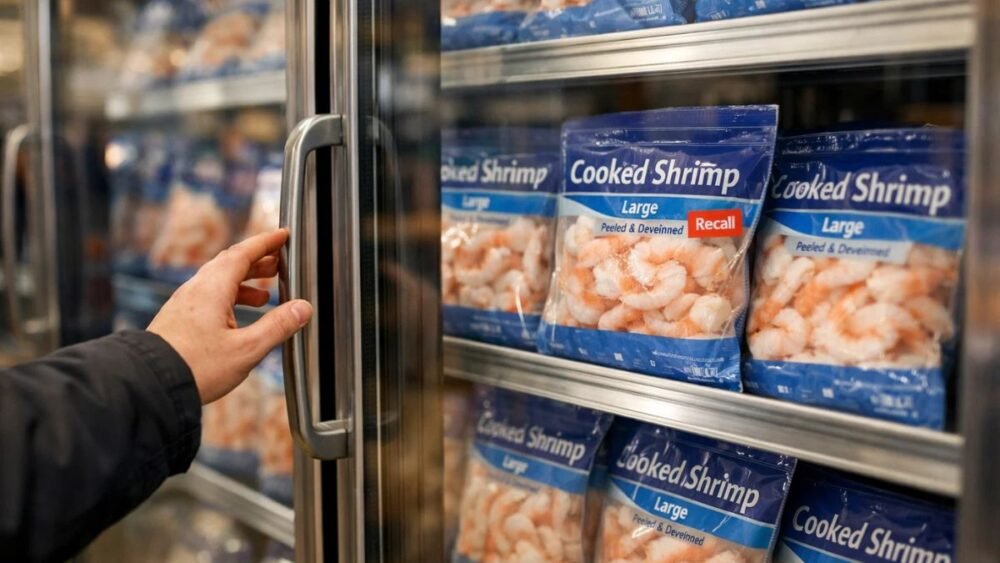
I’ve covered food recalls for years, and most follow a familiar script: a contamination notice, a batch number, a polite reminder not to panic. This one feels different.
The 2025 radioactive shrimp recall landed with a heavier thud, stirring unease among shoppers, regulators, and seafood suppliers alike. Not because anyone is dropping ill in large numbers—but because radiation, even at low levels, hits a primal nerve. It makes you pause mid-grocery run and wonder how something like this slips through.
Authorities insist the risk to the average consumer is low. Still, the incident has reopened a broader conversation about how global food systems monitor environmental contamination, and whether those safeguards are evolving fast enough in a world of complex imports.
Jump To
How the Radioactive Shrimp Was Discovered

The recall didn’t begin with emergency rooms or social media panic. It started quietly, inside a lab.
During routine screening of imported shrimp, inspectors noticed radiation readings that didn’t line up with normal baselines. Follow-up testing confirmed the presence of radioactive isotopes above accepted safety thresholds, triggering an immediate recall and deeper investigation.
Food safety officials say this is exactly how the system is supposed to work—random, unannounced testing designed to catch problems early. Experts familiar with the case believe the contamination likely stems from environmental exposure rather than intentional mishandling.
Possible sources under review include:
- Polluted harvesting waters
- Industrial or nuclear runoff
- Legacy radioactive contamination in coastal regions
Regulators caution that conclusions are still preliminary, and tracing contamination through international supply chains takes time.
Which Shrimp Products Are Affected?
One clarification came fast: this is not a shrimp-wide ban.
The recall applies to specific brands and production batches, not all shrimp on the market. Retailers were instructed to pull affected items immediately, while importers began tracing shipments back to their source.
If you regularly buy frozen or packaged shrimp, officials recommend:
- Checking lot numbers and packaging dates
- Avoiding products listed in recall notices
- Returning recalled items or following disposal instructions
For consumers who’ve been tracking food safety news lately, the pattern may feel familiar. Similar precautionary steps were taken during the egg-related salmonella outbreak earlier this year and the FDA butter recall of 2025, both of which followed the same “detect early, remove fast” approach.
Is Radioactive Shrimp Actually Dangerous?
The word radioactive understandably grabs attention. But health experts say the real risk depends on context.
Radiation exposure from food is influenced by:
- The type of radioactive isotope
- The concentration level
- How often and how much is consumed
In this case, officials say a single serving is unlikely to cause immediate harm, which is why no emergency health warnings have been issued. That said, long-term or repeated exposure above safety limits is exactly what recalls are designed to prevent.
Nutritionists note that food recalls aren’t about alarm—they’re about minimizing cumulative risk over time. Even low-level exposure becomes a concern when it’s unnecessary and avoidable.
Why Seafood Faces Extra Radiation Monitoring
Seafood appears in contamination stories more often than many other foods—and there’s a reason.
Oceans act as environmental collectors. Pollutants from industrial waste, natural mineral deposits, and historic nuclear activity can settle in marine ecosystems. Fish and shellfish may absorb trace contaminants over time, which is why seafood imports are among the most heavily monitored foods worldwide.
Following past nuclear incidents, many countries expanded radiation screening programs for marine products. Food safety researchers say the 2025 radioactive shrimp recall actually shows those systems functioning as intended—detecting anomalies before they become widespread.
Still, it’s a reminder that environmental contamination doesn’t respect borders.
The Financial Ripple Through the Seafood Industry
Health concerns are only part of the fallout.
Importers face shipment delays and financial losses. Retailers juggle refunds and temporary supply gaps. And seafood brands confront a harder challenge: restoring consumer confidence.
Industry analysts warn that even isolated incidents can dent trust, especially when headlines include words like “radioactive.” Transparency matters here. Clear recalls and fast public communication help prevent the kind of confusion seen during past large-scale recalls, including several Walmart food recall listings that affected multiple categories at once.
What Consumers Should Do Right Now
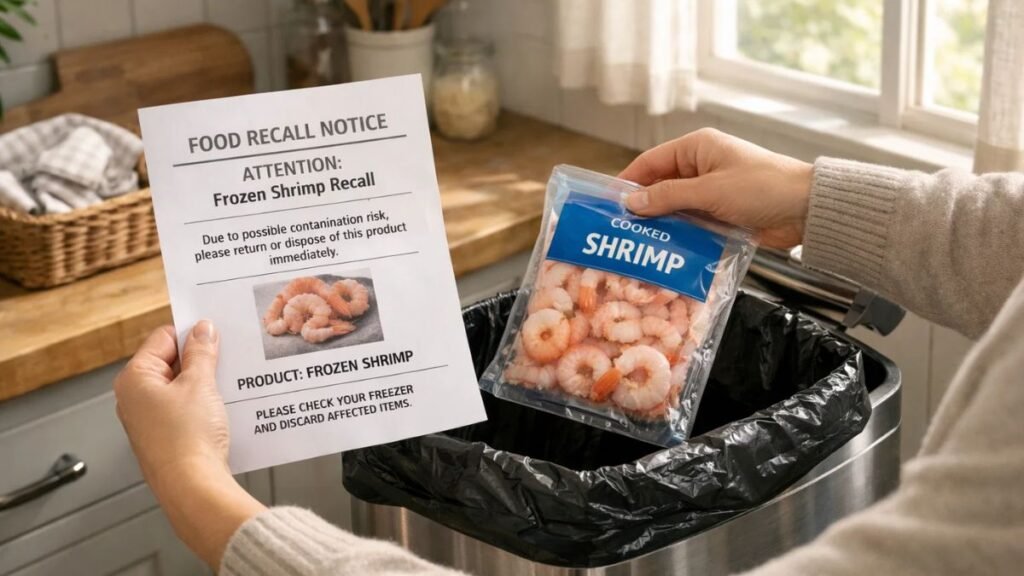
Food safety officials are urging calm—not complacency, but informed action.
If you’ve purchased shrimp recently:
- Review official recall announcements
- Do not consume recalled products
- Return items or dispose of them safely
No widespread illnesses have been linked to the recall so far. Doctors advise anyone experiencing unusual symptoms after eating seafood to contact a healthcare provider, though experts stress such cases remain rare.
For most households, the guidance is simple: stay alert, not alarmed.
Could This Happen Again?
Yes.
Experts say no global food system can reduce risk to zero. But it can reduce it significantly through:
- Expanded environmental monitoring
- More frequent import testing
- Greater transparency from exporters
Regulators are now reviewing whether current radiation thresholds and testing protocols should be adjusted following the 2025 findings. Environmental scientists also note that climate change and shifting ocean currents can influence how contaminants move through marine ecosystems.
A Moment That Forces Reflection
The 2025 radioactive shrimp recall isn’t just another food safety headline. It’s a reminder of how closely our plates are tied to the planet—and how environmental issues in one region can quietly reach kitchens thousands of miles away.
For now, officials maintain the food supply remains overwhelmingly safe. Historically, that assessment holds up.
But this incident leaves a clear takeaway: modern food safety isn’t just about bacteria anymore. It’s about monitoring a changing world—and responding quickly when science signals something isn’t right.
This time, science spoke up early.
What caused the 2025 radioactive shrimp recall?
Authorities detected radioactive isotopes above safety limits during routine testing of imported shrimp. Investigators believe environmental exposure—such as polluted waters or industrial runoff—is the most likely cause.
Is it safe to eat shrimp right now?
Yes. The recall applies only to specific brands and batches. Shrimp not listed in official recall notices is considered safe to eat.
How was radioactive contamination detected?
The issue was identified through random laboratory screening, followed by confirmatory testing that showed radiation levels exceeding regulatory thresholds.
What should consumers do if they bought recalled shrimp?
Consumers should not eat recalled products. Follow retailer instructions for returns or safe disposal and monitor official food safety updates.
If you enjoyed this article, don’t forget to follow and subscribe for more health tools, recipes, and news!
sources
- U.S. Food and Drug Administration (FDA) – Food recall notices, import screening procedures, and seafood safety standards
https://www.fda.gov/food/recalls-outbreaks-emergencies - Centers for Disease Control and Prevention (CDC) – Public health guidance on radiation exposure and food-related risks
https://www.cdc.gov/ - Environmental Protection Agency (EPA) – Environmental contamination data and marine ecosystem monitoring
https://www.epa.gov/radiation

Muhammad Ahtsham is the founder of EatLikeFit.com and a nutrition researcher dedicated to healthy weight management. He provides practical, science-backed advice on high-protein diets and affordable meal planning to help readers achieve their fitness goals simply and effectively.