Skip to content
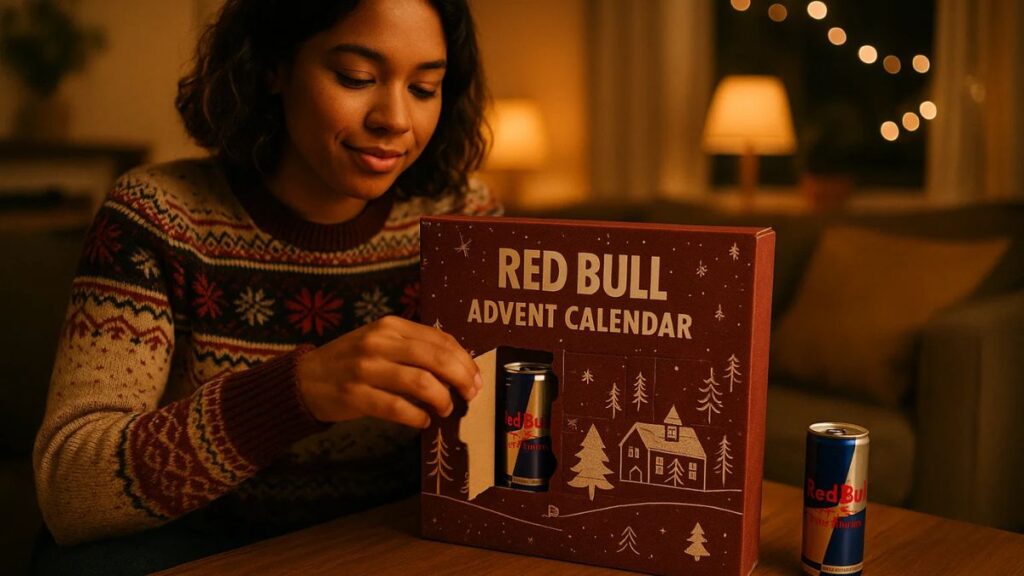
Red Bull has quietly taken a page from the seasonal-gift playbook and given it a very adult spin. This isn’t chocolate behind cardboard windows. It’s 24 small reveals — mini cans, surprise flavors and a handful of branded trinkets — built for collectors, holiday gifters and the brand’s cult-like fans. It’s clever. It’s buzzy. And yes, it’s exactly the sort of thing people will unbox on camera for the ‘Gram.
Jump To
What’s inside
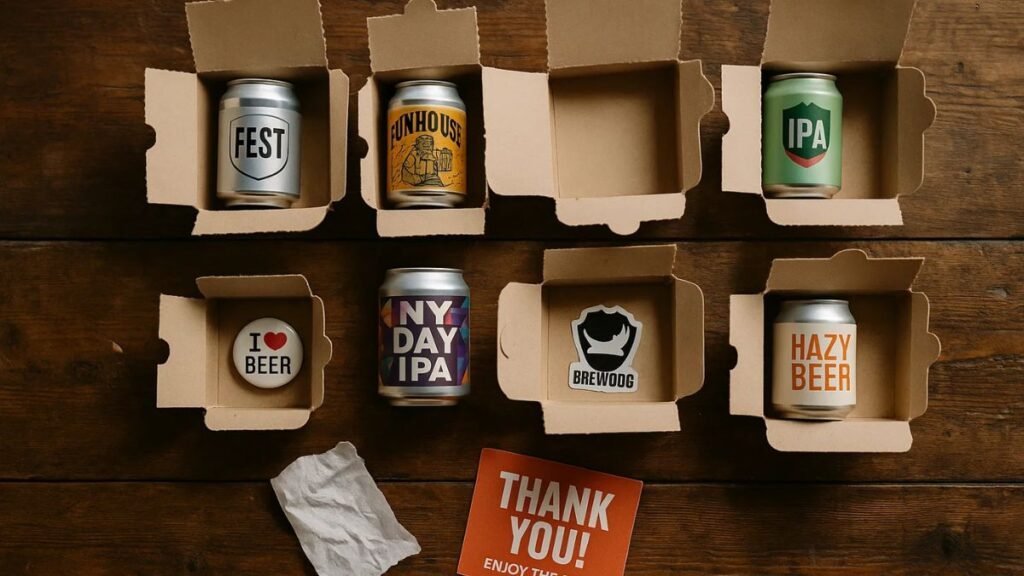
Inside the calendar you’ll find 24 numbered compartments, each a tiny reveal. Expect a mix of mini Red Bull cans, exclusive or limited-run flavor samples, and lightweight branded items — think pins, stickers, maybe a keychain or a promo code tucked behind a door. It’s less “stocking stuffer” and more “daily ritual for the caffeine-curious.” If you’re wondering whether the caffeine content matters, that’s a good question — and it’s one that often comes up with seasonal energy products. (If you want a quick guide to caffeine in popular drinks, see this primer.)
Why brands do this — spoiler: it works
Advent calendars used to be child-first traditions. Not anymore. Retailers and brands have turned calendars into limited-edition marketing engines. For Red Bull, this calendar is a neat way to reinforce loyalty, push seasonal revenue, and, crucially, manufacture shareable moments without blowing out an ad budget. People love to post little reveals. Collectors love limited runs. That combination makes the calendar both a product and a promotional campaign.
It’s also worth noting the secondary market. Limited-release items can end up resold, sometimes for a markup. So if you’re on the fence, know you’re buying into scarcity as much as the actual contents.
How to buy (practical tips)
If you want one, don’t dilly-dally. These run out quickly. Check Red Bull’s official store first, then look to major retailers and specialty shops. Sign up for email alerts, follow official social channels for drop notices, and if you miss the initial wave, reputable secondary marketplaces are an option — but check seller ratings and return terms.
Retailers, too, should treat these as impulse items: place them near checkout or in seasonal gift displays. If you’re selling, consider doing small social activations — people eat up “door #7 reveal” posts.
Who should pick one up?
This isn’t for kids. It’s marketed at adults who enjoy novelty: Red Bull superfans, collectors who like limited editions, friends buying quirky gifts, and hosts who want something playful at a holiday gathering. It’s also an option for someone who just likes a daily, tiny surprise as the season counts down.
The trade-offs — what to watch for
A few caveats. Limited availability frustrates buyers — no surprise there. Collectible items sometimes feel lighter than the price suggests (think stickers and pins rather than heavy merch). And regional releases may vary; what ships in the U.S. may not match Europe or Asia. For shoppers who worry about safety or recalls, it’s smart to stay informed about broader industry actions — energy drink recalls and food-safety news can affect perception and availability.
Retail strategy in one sentence
Treat it as a high-impulse, high-visibility item: prime store placement, a handful of social reveals, and inventory planning that acknowledges spikes are likely when influencers start opening doors.
A brief compare-and-contrast
Think of calendars on a spectrum. Traditional chocolate calendars are cheap and mass-market. Beauty-advent calendars aim premium sample lovers. Branded beverage calendars sit somewhere in the middle: niche, collectible, and very social-media-friendly.
Is this appropriate for minors?
No — it’s marketed to adults and typically contains caffeinated products.
Are items identical across calendars?
Core themes stay the same, but regional or batch variations happen. Expect small differences.
Can you pre-order?
Some retailers may offer pre-orders. Check official channels early.
A small, personal note
I flipped open the mock-up unit and found myself oddly hooked — not for the merch, but for the ritual. There’s something quietly satisfying about a tiny countdown, especially during a chaotic holiday season. If you like small, reliable joys (or you follow brands on social for daily reveals), this does the trick.
Final take
Red Bull’s advent calendar is more than novelty packaging. It’s a calculated seasonal play: a low-friction way to deepen engagement, generate content, and nudge holiday sales. If you’re buying for a collector or a friend who lives for limited drops, it’s a fun, shareable pick. If you care mostly about substance over spectacle, weigh the price against what’s inside — and remember that sometimes the thrill is the point, not the prize.
Want more on holiday beverage drops and seasonal menus? Check out what’s happening at Starbucks this season and other energy offerings that are making headlines.
If you enjoyed this article, don’t forget to follow and subscribe for more health tools, recipes, and news!
Sources:
- Red Bull — Official store / product page — primary source for availability, exact contents and photos.
- U.S. Food & Drug Administration (FDA) — Caffeine & safety guidance — authoritative context on caffeine & labeling.

Muhammad Ahtsham is the founder of EatLike.com, where he shares real-world advice on clean eating, high-protein meals, and healthy weight loss. With hands-on experience in nutrition and food blogging, his recipes and tips are practical, tested, and made to help real people see results.