
For years, bananas have lived a strange double life in the weight-loss world.
On one side, they’re labeled the villain. Too sweet. Too many carbs. “Basically sugar,” some people say, while quietly reaching for a protein bar that’s half corn syrup.
On the other side—usually away from social media noise—you’ll find bananas quietly doing their job. In dietitian meal plans. In hospital nutrition programs. In the breakfasts of people who’ve actually lost weight and kept it off.
I noticed this contradiction a long time ago. Friends would swear off bananas during a diet, then complain about constant hunger, low energy, and late-night snacking. Meanwhile, others ate bananas regularly and somehow stayed consistent, calm, and on track.
That’s when it clicked.
Bananas aren’t the problem.
How we use them is.
No suffering. No starvation. Just food that works.
Serve This: Why Overnight Protein Oats for Weight Loss Work So Well
Jump To
Why Bananas Can Support Weight Loss (Despite All the Noise)

Let’s clear something up early.
Weight loss isn’t about eliminating foods. It’s about managing appetite, energy, digestion, and consistency. Bananas, when used correctly, support all four.
Serve This: Healthy Banana Oatmeal Muffins
A Simple, Honest Definition
A banana is a fiber-rich, naturally sweet carbohydrate that digests more slowly than refined sugar and helps regulate hunger when paired properly.
That last part matters.
Bananas don’t act like candy in your body. They don’t automatically spike blood sugar and send you spiraling into cravings—unless they’re eaten alone, overripe, or combined with ultra-processed foods.
What Actually Makes Bananas Weight-Loss Friendly
When you strip away the myths, bananas offer some very practical benefits:
- Natural fiber slows digestion and promotes fullness
- Resistant starch, especially in slightly green bananas, supports gut health
- Low fat and moderate calories, making them easy to fit into a calorie deficit
- Potassium, which helps reduce water retention and bloating
- Natural sweetness, which reduces dessert cravings and emotional snacking
In real life, bananas often prevent overeating later in the day. And preventing overeating is one of the most underrated fat-loss strategies there is.
Serve This: Apple Chia Pudding
Banana Nutrition for Weight Loss

Let’s look at one medium banana—nothing exaggerated, nothing hidden.
| Nutrient | Approx. Amount | Why It Matters |
|---|---|---|
| Calories | ~105 kcal | Easy to fit into weight-loss meals |
| Fiber | ~3 g | Helps with fullness and digestion |
| Potassium | ~420 mg | Reduces bloating and water retention |
| Natural carbs | ~27 g | Sustains energy without crashes |
| Fat | <0.5 g | Naturally low |
Mini takeaway: Bananas aren’t empty carbs. They’re functional fuel.
Is Banana Good for Weight Loss?
Yes—but not in isolation.
Bananas work best for weight loss when they’re:
- Paired with protein or healthy fats
- Used to replace processed snacks
- Eaten earlier in the day or around activity
- Kept to sensible portions
What usually causes problems isn’t the banana itself. It’s eating bananas alongside pastries, sweetened cereals, syrups, or oversized smoothie bowls that turn a healthy fruit into a sugar rush.
How to Eat Banana for Weight Loss (Without Sabotaging Yourself)
This is where most advice online falls apart. So let’s keep it practical.
Do This
- Pair bananas with protein (Greek yogurt, nuts, seeds)
- Choose slightly green or just-ripe bananas
- Eat them as part of breakfast or a balanced snack
- Stick to ½ to 1 banana per serving
Avoid This
- Banana + sugary cereal
- Banana smoothies loaded with syrups or fruit juice
- Late-night banana snacking out of boredom
- Eating multiple bananas on an empty stomach
Think of bananas as a supporting actor, not the main character.
The Easy Banana Recipe for Weight Loss (Daily, Repeatable, Real)
If there’s one banana meal that consistently works for fat loss, this is it.
No trends. No detox labels. Just balance.
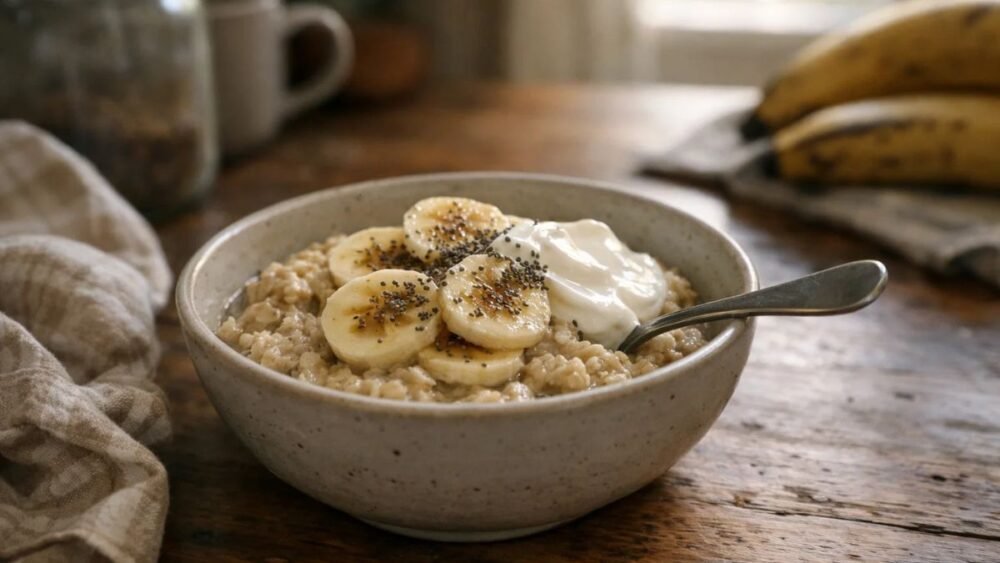
🍌 Banana Oats Weight-Loss Bowl
This is one of those meals that doesn’t feel like “diet food,” yet quietly keeps hunger under control for hours.
Ingredients
- ½ ripe banana, sliced
- ½ cup rolled oats
- 1 tablespoon chia seeds
- ½ cup unsweetened Greek yogurt (or plant-based alternative)
- ¾ cup water or unsweetened almond milk
- Cinnamon, to taste
Instructions
- Cook oats with water or almond milk until soft.
- Stir in chia seeds while warm.
- Top with banana slices and yogurt.
- Sprinkle cinnamon and let it rest for 5 minutes before eating.
Why This Banana Recipe Helps Weight Loss
- Fiber slows digestion and prolongs fullness
- Protein stabilizes blood sugar
- Chia seeds support gut health
- Cinnamon reduces cravings
Mini summary: This isn’t a “diet breakfast.” It’s a real meal that keeps hunger quiet and energy steady.
Banana Smoothie for Weight Loss (When Done Right)
Smoothies are tricky. They can either support fat loss—or quietly sabotage it.
Here’s a version that actually works.
🍌 Simple Banana Smoothie for Weight Loss
Ingredients
- ½ banana
- 1 cup unsweetened almond milk
- 1 tablespoon ground flaxseed
- ½ cup frozen berries
- Optional: 1 scoop protein powder
Why It Works
- Fiber slows digestion
- Protein prevents blood sugar crashes
- Berries add volume without excess sugar
Pro tip: Keep smoothies thick and spoonable. Thin, sweet smoothies digest too fast and leave you hungry again.
Serve This: High-Protein Yogurt Bowl
When to Eat Banana for Weight Loss

Timing isn’t everything—but it matters more than people think.
Best Times to Eat Banana
- Breakfast (paired with protein)
- Post-workout for recovery
- Mid-morning snack to prevent overeating
Times to Limit
- Late at night
- Right before bed
- As a standalone sugary snack
If weight loss has been stalling, timing adjustments alone sometimes make a surprising difference.
Banana for Belly Fat: What’s Realistic?
Let’s be honest.
No food melts belly fat directly. Anyone promising that is selling fantasy.
What bananas can do is support conditions that reduce abdominal fat over time:
- Improved digestion
- Reduced bloating
- Better appetite control
- Fewer sugar cravings
When combined with a calorie-controlled diet and daily movement, bananas help—quietly and consistently.
Banana Diet for Weight Loss: What Actually Works
Forget extreme banana-only diets. They’re unnecessary and unsustainable.
Here’s what works in real life:
- 1 banana per day (sometimes ½)
- Always paired with fiber or protein
- Part of a balanced, calorie-controlled plan
- Used to replace processed snacks
That’s it. No drama.
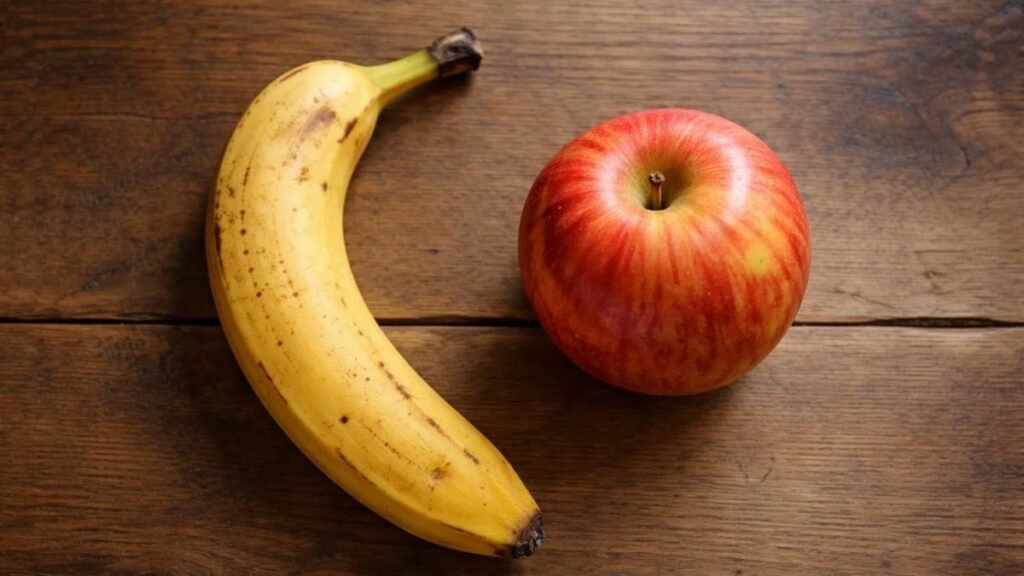
Banana vs Apple for Weight Loss
This question comes up constantly.
Both fruits are excellent. The difference comes down to how they behave.
| Banana | Apple |
|---|---|
| Better for energy | Slightly lower calories |
| More filling for some | Slower eating |
| Great for workouts | Great for snacking |
Choose the one you enjoy. Consistency beats perfection every time.
Common Banana Weight-Loss Myths (Debunked)
Myth: Bananas cause weight gain
→ Truth: Excess calories cause weight gain, not fruit.
Myth: Bananas are too sugary
→ Truth: Whole-fruit sugar behaves differently than refined sugar.
Myth: Bananas stop fat loss
→ Truth: Poor food pairing stops fat loss.
Can You Eat Banana Daily for Weight Loss?
Yes—and many people succeed because they do.
Daily bananas can:
- Reduce cravings
- Simplify meal planning
- Make diets easier to stick to
Just keep portions sensible and pair them wisely.
Expert-Style Tips to Make Bananas Work for You
Over time, I’ve noticed a few patterns among people who succeed:
- Use bananas as a bridge food to avoid junk snacks
- Choose less ripe bananas for appetite control
- Pair bananas with gut-friendly foods like yogurt or seeds
- Track how your body responds—everyone’s different
Nutrition isn’t one-size-fits-all. Awareness beats restriction.
Final Takeaway
Yes—when done intelligently.
Bananas aren’t magic. They won’t override overeating or inactivity. But they are reliable, affordable, and surprisingly effective when used properly.
The best banana recipe for weight loss isn’t extreme or trendy. It’s one you can repeat without stress, guilt, or burnout.
Consistency always wins.
Every single time.
FAQs
Is banana good for weight loss?
Yes. When eaten in moderation and paired with protein or fiber, bananas support appetite control and energy balance, which helps with weight loss.
How many bananas per day for weight loss?
Most people do best with ½ to 1 banana per day, depending on activity level and total calorie intake.
Can banana help reduce belly fat?
Bananas don’t burn belly fat directly, but they reduce bloating, improve digestion, and control cravings—factors that support long-term fat loss.
When is the best time to eat banana for weight loss?
Morning, post-workout, or mid-morning snacks are ideal. Late-night banana eating is best limited.
If you enjoyed this article, don’t forget to follow and subscribe for more health tools, recipes, and news!
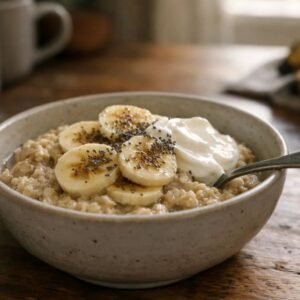
Easy Banana Oats Recipe for Weight Loss
Equipment
- Saucepan
- Spoon
- Measuring Cups
- Bowl
Ingredients
- 2 cups rolled oats
- 3 cups water or unsweetened almond milk
- 2 medium bananas sliced (use just-ripe)
- 4 tablespoons chia seeds
- 1 cup unsweetened Greek yogurt or plant-based alternative
- ½ teaspoon ground cinnamon
- Pinch salt optional
Instructions
- Add oats and water (or almond milk) to a saucepan and cook over medium heat, stirring occasionally, until soft and creamy.
- Stir in chia seeds while the oats are still warm to help them thicken naturally.
- Remove from heat and let the oats rest for 5 minutes.
- Divide the oats evenly into bowls.
- Top each serving with sliced banana and a spoonful of Greek yogurt.
- Sprinkle lightly with cinnamon before serving.
Notes
- Use slightly green or just-ripe bananas for better appetite control.
- This recipe works well as a make-ahead breakfast—store in the fridge for up to 3 days.
- For extra protein, add a scoop of plain protein powder or extra yogurt.
- Avoid sweeteners; the banana provides enough natural sweetness.

Muhammad Ahtsham is the founder of EatLikeFit.com and a nutrition researcher dedicated to healthy weight management. He provides practical, science-backed advice on high-protein diets and affordable meal planning to help readers achieve their fitness goals simply and effectively.