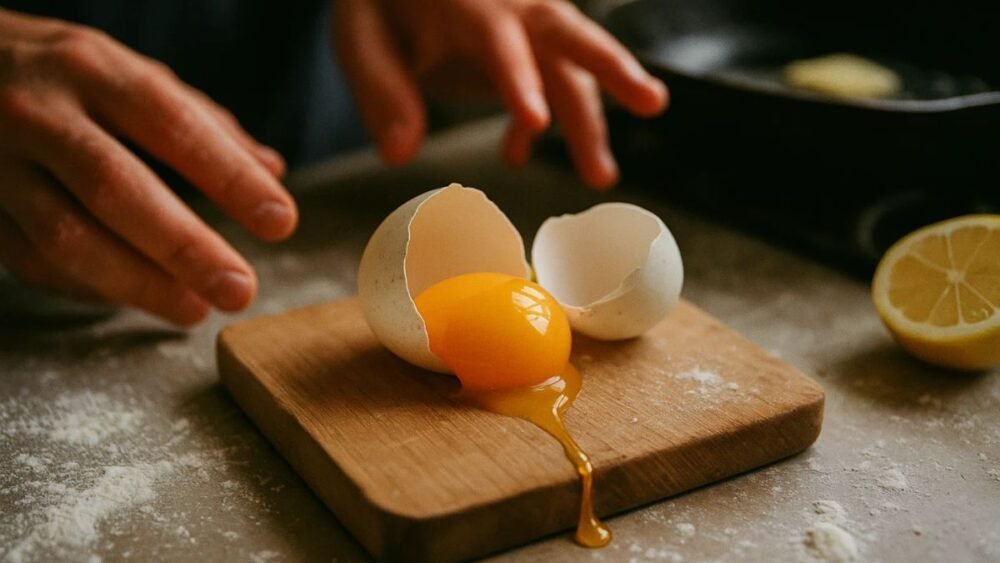
If you’ve only ever used chicken eggs, you’re cooking with one hand tied behind your back. Duck eggs are, frankly, a revelation — richer, creamier, and somehow more indulgent without feeling guilty. They make pancakes fluffier, custards silkier, and scrambled eggs downright decadent. And yes, they’re worth the little extra effort to find and learn how to use.
This is your deep, human-first guide: recipes, kitchen hacks, nutrition, storage, substitutions, and the kind of real-world tips you actually use. I’ll walk you through the basics, toss in a few chef-tested tricks, and show you how to fold duck eggs into everyday meals—from avocado toast to bake-sale worthy cakes. Grab a mug, get comfortable, and let’s see why duck eggs deserve a regular spot at your table.
Duck eggs are larger and richer than chicken eggs. They have bigger yolks, more fat and protein, and add superior texture to baking and cooking. Use them 1:1 for most recipes, reduce added liquid slightly in baking, and cook gently—because the yolks are delicate. Great for scrambled eggs, pancakes, custards, pasta, and any dish that benefits from extra creaminess.
Jump To
A little story before the recipes
I first noticed duck eggs at a farmer’s market in upstate New York. A small handwritten sign — “Duck Eggs — Rich & Fresh” — and a crate with pale, slightly larger shells. I bought a dozen on impulse, rushed home, and made pancakes. The first bite made me stop mid-chew. It wasn’t just richer: the texture, the mouthfeel, the color — it all felt elevated. I started experimenting. Scrambles. Custards. Even pasta.
You’ll notice it, too. It turns out one little ingredient can tilt the whole meal.
What makes duck eggs special? The short science
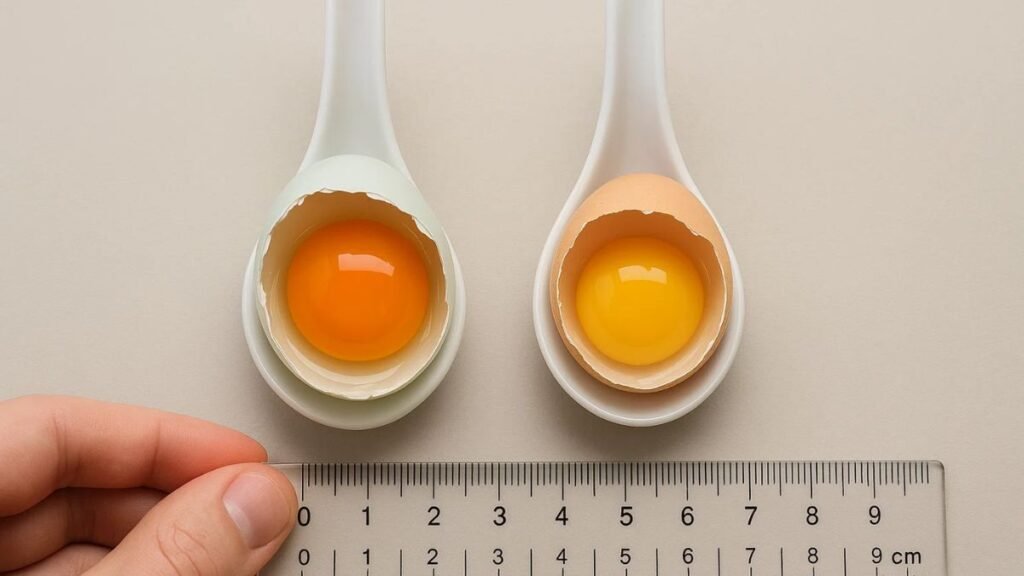
On the surface they look like chicken eggs. But open one and you’ll immediately see the difference.
- Size & yolk: Duck eggs are larger and the yolks are proportionally bigger. More yolk = more fat, more flavor, more color.
- Fat & protein: There’s more fat and a bit more protein per egg compared with a chicken egg. That creates richer scrambles and more tender baked goods.
- Baking performance: Breads, cakes, and custards get better volume and a silkier crumb.
- Shelf life: With their natural protective coating (bloom), duck eggs can sometimes last a bit longer when stored properly.
These qualities make duck eggs a favored secret of bakers and home cooks aiming for that “bakery” result.
Nutrition — what you actually get
Duck eggs pack nutrients. They’re not a miracle food, but they are nutrient-dense:
- Protein: Slightly higher than a standard chicken egg.
- Healthy fats & omega-3s: More fat in the yolk means better texture and satiety.
- Vitamins & minerals: Good sources of fat-soluble vitamins and minerals like vitamin D, B12, selenium, and choline.
Bottom line: duck eggs offer a small nutrient boost and a bigger sensory payoff. If you’re into richer breakfasts that keep you full until lunch, they’re a smart choice.
How to substitute duck eggs for chicken eggs
- For cooking (scrambles, fried eggs, omelets): use one duck egg for one chicken egg.
- For baking, I usually use a 1:1 ratio, but cut liquid by about 5–15% in the recipe to avoid a too-wet batter. Duck eggs add extra fat and structure.
- If you’re making delicate pastries or chiffon cakes, you might need to tweak sugar or liquid slightly.
Pro tip: if a recipe calls for many eggs (like a pound cake), test with half the eggs swapped to start — then ramp up once you see the result.
Safety first: are duck eggs safe to eat?
Yes — when handled and cooked properly. Like any poultry egg, duck eggs can carry bacteria if raw or undercooked. Basic rules:
- Buy from reputable sources.
- Store refrigerated (or in a cool, dry place if unwashed but plan to use soon).
- Cook thoroughly when serving to kids, pregnant folks, or anyone with a weakened immune system.
Don’t wash them before storing; the natural coating helps keep them fresh.
The essential duck-egg recipes (with real, usable steps)
Below are recipes I actually make on weekends — simple, reliable, and delicious. I’ve written them with approachable instructions so you can jump in immediately.
1) Creamy Duck Egg Scramble (serves 2)
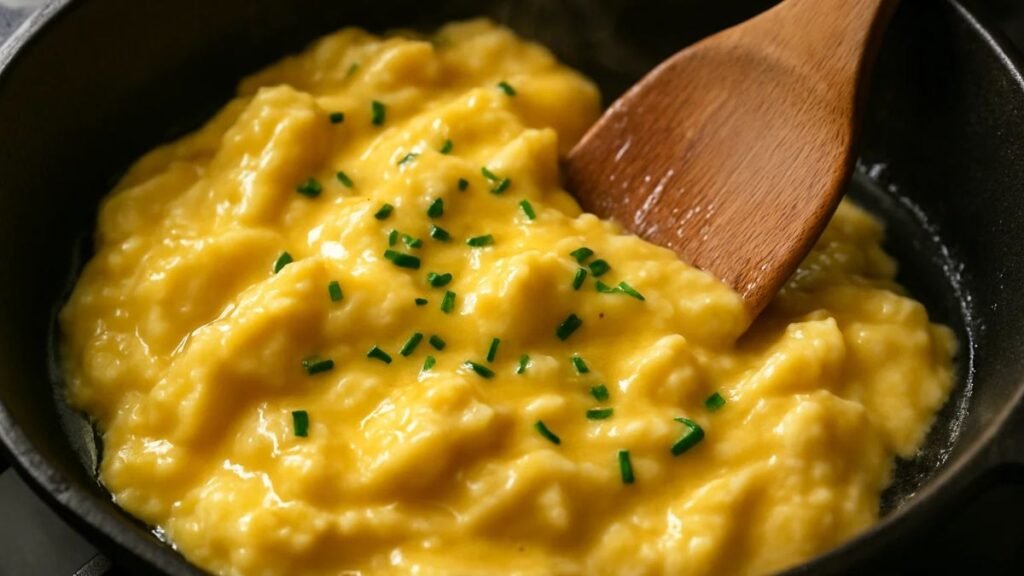
This is my weekday scramble — quick and impossible to mess up.
Ingredients:
- 4 duck eggs
- 1 tbsp butter (or olive oil)
- 2 tbsp whole milk or half-and-half (optional — for extra silk)
- Salt and freshly ground pepper
- Chives, roughly chopped
Method:
- Crack the duck eggs into a bowl. Add milk if using. Whisk gently — don’t overbeat.
- Heat a nonstick skillet over low-medium heat. Add butter and let it foam, but not brown.
- Pour in eggs. Wait 10–15 seconds, then push the eggs slowly from the edges to the center with a spatula. Keep the heat low — duck eggs cook quickly.
- When curds are soft but not fully set, turn off the heat and let residual warmth finish them. Season and garnish with chives. Serve immediately.
Why it works: low heat prevents rubbery curds. The larger yolk in duck eggs gives a creamier texture even without milk.
2) Duck Egg Pancakes (makes about 8 medium pancakes)

Fluffier than your average flapjack. Try with maple butter.
Ingredients:
- 2 duck eggs
- 1 cup all-purpose flour
- ¾ cup milk (or a little more if batter is thick)
- 1 tbsp sugar
- 1 tsp baking powder
- Pinch of salt
- 2 tbsp melted butter + more for frying
Method:
- Whisk eggs, milk, and melted butter in a bowl.
- Combine dry ingredients in another bowl, then fold wet into dry until just combined. A few lumps are fine.
- Heat a skillet or griddle over medium heat and brush with butter. Ladle ~¼ cup batter for each pancake. Cook until bubbles form; flip and cook until golden.
- Keep pancakes warm in a low oven while finishing the batch.
Chef note: duck eggs give the batter a silkier feel and deeper color. If you want really tall pancakes, separate the yolks and whites — whip whites to soft peaks and fold them in at the end.
3) Sunny-Side-Up Duck Eggs on Avocado Toast (serves 1)
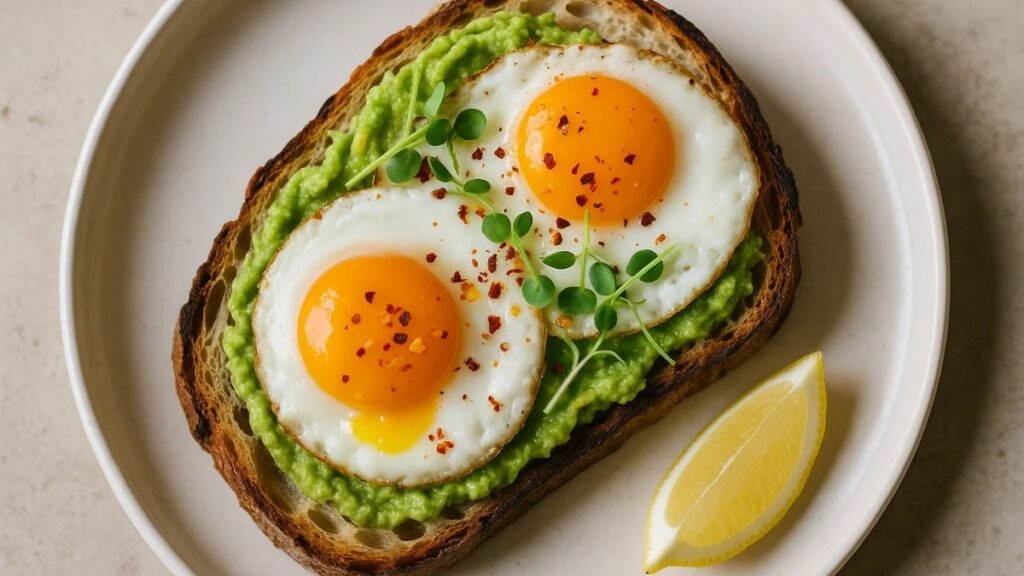
A weekday classic, updated.
Ingredients:
- 2 duck eggs
- 1 slice hearty sourdough
- ½ ripe avocado
- Olive oil, salt, chili flakes, lemon juice
Method:
- Toast the sourdough. Mash avocado with a squeeze of lemon, salt, and a drizzle of olive oil. Spread on toast.
- Heat a small pan with a teaspoon of oil. Crack eggs carefully and cook sunny-side-up; keep heat gentle so whites set but yolk stays runny. Season and top the toast. Sprinkle chili flakes.
Why it’s great: the yolk from duck eggs is richer and runs like a reward across the avocado.
4) Extra-Rich Custard (for 4 ramekins)
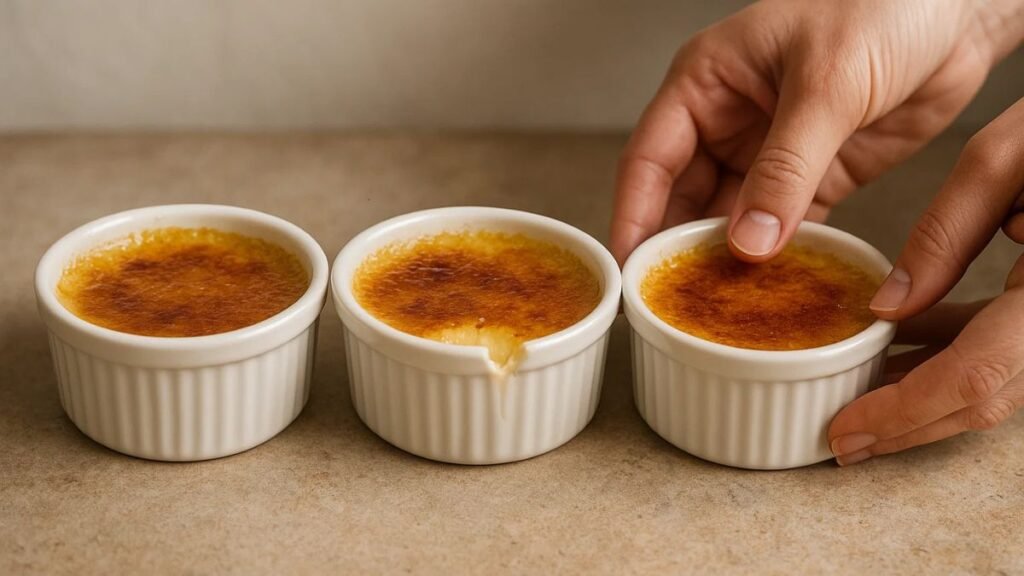
If you want to impress with something silky — this is your dessert.
Ingredients:
- 3 duck eggs
- 1 cup heavy cream (or ¾ cup cream + ¼ cup milk)
- ¼ cup sugar
- 1 tsp vanilla extract
- Pinch of salt
Method:
- Preheat oven to 325°F (160°C). Bring a pot of water to a simmer (for a water bath).
- Whisk eggs and sugar until blended. Slowly heat cream with vanilla (do not boil). Temper the eggs by slowly whisking in the hot cream.
- Pour into ramekins, place ramekins in a baking dish, and add hot water to reach halfway up the ramekins. Bake 25–30 minutes until set but slightly wobbly. Chill before serving.
Result: silken, luxurious custard. Duck eggs give it an extra sheen and deeper flavor.
5) Duck-Egg Pasta (yields about 4 servings)

Want the restaurant effect? Use duck eggs in fresh pasta for a richer bite.
Ingredients:
- 2 cups all-purpose flour (+ extra for dusting)
- 3 duck eggs
- Pinch salt
Method:
- Mound flour on the counter, make a well, and crack eggs into it. Mix with a fork until a shaggy dough forms, then knead about 8–10 minutes until smooth.
- Rest wrapped in plastic for 30 minutes. Roll out thin and cut into tagliatelle or shape into any pasta you like.
- Boil in salted water for 2–3 minutes; fresh pasta cooks fast.
Why duck eggs: yolk-rich dough yields a deeper color and silkier mouthfeel. Serve with a light sauce (brown butter & sage, or a simple tomato ragu).
Baking with duck eggs: what to adjust
If you’re adding duck eggs to cakes, cookies, or muffins, expect:
- Richer color — a golden crumb.
- Moister texture — great for pound cakes and brownies.
- Slightly denser crumb — because the yolks are larger.
Baking adjustment rules:
- Start with 1:1 substitution if you’re new to duck eggs.
- Slightly reduce liquids (milk, water) by ~5–15% if the batter seems loose.
- For recipes needing many eggs (angel food, chiffon), be conservative: swap half the eggs first.
Want bakery-level results? Use duck eggs for brioche or custardy bakes. If you like the apple cake with cream cheese frosting on your site, imagine that recipe lifted with duck eggs — deeper color, richer crumbs. Try swapping half the eggs first.
Storage, buying, and where to get them

- Buy local when possible. Farmers’ markets and local specialty farms often sell them fresh.
- Store unwashed in the fridge for longer life. The natural bloom helps preserve. If eggs are washed, refrigerate and use within a few weeks.
- If you live in the city, specialty markets and some grocery stores carry them occasionally.
If you’re into game or wild-meat recipes, try pairing duck-egg dishes with something hearty like a venison snack — the intense flavors complement each other.
Creative uses beyond breakfast
Duck eggs aren’t just for mornings.
- Pasta & noodles: richer dough (see recipe above).
- Custards & crème brûlée: silkier texture.
- Patisserie: macarons, tarts, and enriched doughs benefit.
- Pickled eggs: richer flavor and firmer texture.
- Homemade mayonnaise: supreme creaminess — one yolk delivers more body.
You can even use them in savory soups or to enrich stews. Pairing notes: they’re great with Mediterranean flavors (try a Mediterranean quinoa salad alongside a duck-egg dish.
Common problems and fixes
- Rubbery eggs — usually from high heat. Cook low and slow.
- Too-dense cake when substituted — reduce liquids a touch and don’t overmix.
- Runny whites for fried eggs — ensure the pan is hot but not scorching; cover briefly to set whites if needed.
Dietary considerations & allergies
If you have an egg allergy — duck eggs are still eggs. They’re not safe as an alternative for those with egg allergies. For everyone else, they’re a nutrient-dense option. People on higher-fat diets often appreciate the satiating quality of duck eggs.
Pairing & menu ideas (quick)
- Weekend brunch: Duck-egg pancakes + coffee + fresh fruit. See coffee pairing ideas: (yes, coffee and flavor profiles matter).
- Weeknight comfort: Duck-egg pasta with a brown butter sauce + a simple side salad.
- Entertaining: Mini custards or crème brûlée as an elegant finish.
- Healthy twist: Serve scrambled duck eggs over a bed of greens with seeds (compare pumpkin seeds and chia for extra crunch).
Where duck eggs shine vs. where they don’t
They’re brilliant when you want richness and structure. They’re less useful if the recipe needs a neutral flavor or very light texture (think angel food cake). Use them strategically.
Small, real-life kitchen experiments you can try
- Pancake test: Make a batch of pancakes with chicken eggs and a batch with duck eggs—same recipe otherwise. Taste the difference.
- Custard comparison: Make flan with both — note texture and color.
- Baking swap: Replace half the eggs in your favorite cake first, then try a full swap.
These quick A/B tests teach more than reading ever will.
(If you like these duck-egg ideas, you’ll probably enjoy these posts on EatLikeFit — handy for meal planning and flavor inspiration.)
- Want a protein-packed snack pairing? Check the venison snack stick recipe.
- Curious about seeds and crunch? Compare pumpkin seeds vs. chia seeds.
- Craving a bakery-level dessert? Try the apple cake with cream cheese frosting — imagine it with duck eggs for extra richness.
- Looking for a light side? Mediterranean quinoa salad pairs beautifully with rich eggs.
- Want a calming tea alongside breakfast? Try the lemon balm tea guide.
- Planning a healthy weekly meal plan? Browse paleo crockpot meals for protein-forward ideas.
- For soup lovers, a chickpea soup pairs well with a runny duck egg on top.
Linking ideas like these make it easy to create internal navigation on your site while improving user experience.
Are duck eggs healthier than chicken eggs?
They’re not wildly different, but duck eggs are more nutrient-dense in some areas—slightly more protein, more fat, and higher levels of certain vitamins and minerals. They’re a richer option, not necessarily a healthier one for everyone.
Can I use duck eggs in any recipe?
For the most part, yes. Use them 1:1 in cooking. In baking, consider reducing liquid slightly and testing with half-swaps in delicate recipes.
How should I store duck eggs?
Keep them cool. Unwashed eggs can hang out in a cool, dry pantry briefly, but refrigeration is safest and will keep them fresh longer.
Do duck eggs taste “gamey”?
Not really. They taste richer and creamier, but not gamey. Any stronger flavor typically comes from the duck’s diet, but most commercially sold duck eggs are mild and pleasantly rich.
Can pregnant people eat duck eggs?
Cooked duck eggs are fine. Avoid raw or undercooked eggs.
Final bite: why give duck eggs a try?
Because they transform simple meals into something memorable. They make a humble scramble feel like something you’d pay for at a chef-run café. They give cakes that deeper, bakery-like crumb. They’re not fussy. They’re just better in subtle, very satisfying ways.
If you take one thing from this guide, let it be this: try one new duck-egg recipe this week. Start small — a pancake, a scramble, or a single custard — and notice how it changes the dish. You’ll find yourself reaching for them again.
If you want, I can convert any chicken-egg recipe you love into a duck-egg-friendly version (with exact liquid adjustments and timing). Say the word and I’ll do it — no fluff, just a tested recipe rewrite.
—
Enjoy. And when you make those pancakes, send a picture. I want to see that golden yolk glow.
If you enjoyed this article, don’t forget to follow and subscribe for more health tools, recipes, and news!

Muhammad Ahtsham is the founder of EatLikeFit.com and a nutrition researcher dedicated to healthy weight management. He provides practical, science-backed advice on high-protein diets and affordable meal planning to help readers achieve their fitness goals simply and effectively.